


Renting a home in Denmark in 2026: leases, deposits and housing support
In short. A deposit is generally capped at three months' rent, and you may also be asked for up to three months' prepaid rent. View the home before paying and read the contract. Verified 9 November 2026.
How do you rent a home in Denmark?
In Denmark you may rent a privately owned apartment or room, live in a non-profit housing association home (almen bolig), or sublet from an existing tenant. Start by checking who has the legal right to rent the property, what the rental agreement includes, and the total amount due at move-in. View the actual home and obtain a clear written contract before paying.
There is no single Denmark-wide rent figure for all homes. Rent depends on the city, dwelling and agreement. Short-term visitor apartments are different from long-term residential tenancies. For short stays, see our page on long-stay apartments in Copenhagen, and browse serviced apartments in Copenhagen in the directory.
What is the difference between private rental, social housing and subletting?
In a private tenancy, you deal with the property owner or an authorised landlord. Non-profit housing associations have their own application and allocation procedures. A sublet involves renting from an existing tenant. The identity of the person who can legally grant possession matters in every case.
Ask for evidence of the landlord's or tenant's right to let the dwelling. Housing organisations and landlords may require identity or financial documentation. Avoid listings where the payment recipient and authorised landlord cannot be verified.
Sources: Life in Denmark, Danish Rent Act.
How much deposit and prepaid rent are legally allowed?
Section 59 of the Danish Rent Act generally permits a security deposit of no more than three months' rent for residential flats and rooms. A landlord may also require up to three months' prepaid rent, subject to the statutory rule linking it to rent due during the notice period. Prepaid rent can be offset against the final part of the tenancy after notice is given.
A deposit is security for obligations on departure, whereas prepaid rent covers future rent. The first regular month's rent may also fall due at move-in. For illustration only, a monthly rent of DKK 8,000 would produce a statutory three-month deposit maximum of DKK 24,000 and a separate three-month prepaid-rent maximum of DKK 24,000. This is arithmetic, not a claim about typical rental prices or what every landlord demands.
Source: Danish Rent Act, Act No. 341 of 22 March 2022, Sections 58 to 60.
What should be in a Danish rental agreement?
The contract should specify landlord and tenant, address, the property, start date, rent and due date, notice conditions, any fixed term, deposit, prepaid rent, maintenance duties and what heating, water, electricity and internet services are included. A standard contract is available through official Danish housing information.
Life in Denmark says notice periods are commonly up to three months, but the actual notice depends on the type of tenancy, contract and applicable legal rules. Do not rely on verbal promises about refunds or the end of the agreement.
Source: Life in Denmark, renting a home.
What should you do at the inspection and handover?
Visit the home in person and photograph walls, floors, fittings and existing damage, keeping dated evidence. Life in Denmark advises reporting defects to the landlord no later than 14 days after taking possession, or you may risk being held responsible for them. Follow any legally required move-in inspection and report procedures as well.
Record meter readings, any keys received and the condition of supplied furniture. When you move out, keep a documented handover and final bills. If repairs are needed, you can find electricians in Copenhagen and plumbers in Copenhagen in the directory.
Source: Life in Denmark, renting a home.
Are water, heating and broadband included?
It depends on the contract. Life in Denmark notes that heating, water and gas are normally not included unless specifically stated. Electricity and broadband may require separate arrangements, and advance payments for utilities may be adjusted after actual consumption is calculated. Budget separately for rent and the utilities you are responsible for. Our guide to utility bills in Denmark explains how each bill works.
Source: Life in Denmark, renting a home.
Who can receive housing benefit in 2026?
Danish housing benefit (boligstøtte) is means-tested. Its amount depends on household income, assets, number of occupants and children, apartment area and rent. According to Borger.dk, the 2026 monthly maximum for an eligible non-pensioner tenant is DKK 1,194 without children, DKK 4,201 with one to three children and DKK 5,251 with four or more children. These are maximums for those categories, not guaranteed payouts.
Use the government's calculator and check the specific eligibility rules. Other rates apply to pensioners and certain other groups.
Source: Borger.dk, housing benefit.
How do you avoid rental scams?
Danish Police advise viewing a property physically before transferring rent, prepaid rent or a deposit. Verify that the person you deal with has the right to let it, and compare the asking price with comparable local homes. Be careful with urgent requests for money or offers shown only in a video call.
Avoid cash payments and use a traceable transfer through a Danish bank after inspecting the property and verifying the landlord's authority. Keep the advertisement, messages, contract and payment records. If you need a Danish account, see banks in Copenhagen.
Source: Danish Police, avoid holiday and rental housing scams.
Where can you complain about rent or deposit deductions?
For private rentals, the local rent tribunal (huslejenævn) may address disputes about rent level, maintenance, utility statements and deposits. For non-profit housing, the residents' complaints board (beboerklagenævn) is often relevant. These bodies cannot resolve every type of eviction or notice dispute.
The 2026 filing fees are DKK 367 for a huslejenævn case and DKK 172 for a beboerklagenævn case. Complaints must be in writing with supporting evidence.
Source: Borger.dk, rent and residents' complaints boards.
When must you register your new address?
For a move between addresses within Denmark, the new address must generally be reported to the municipality within five days of physically moving. In most municipalities, you can report up to 28 days in advance. Residents without MitID can seek help from Borgerservice. Moving from another country may involve different registration steps. If you need help with the move, see removal companies in Copenhagen.
Source: Borger.dk, moving in Denmark.
Frequently asked questions
Generally up to three months' rent under Section 59.
No. Prepaid rent may be set against the last months of the tenancy.
No, consult the contract and utility arrangement.
No, that is a ceiling for one category, subject to eligibility.
Yes, Danish Police strongly advise this.
Generally within 14 days of moving in, according to Life in Denmark.
Often the local rent tribunal for private tenancies.

Read also
Utility bills in Denmark: electricity, water, heating and internet
A practical 2026 guide to electricity, water, heating, waste and broadband in Denmark. Check local prices, rental terms and bill payment options.
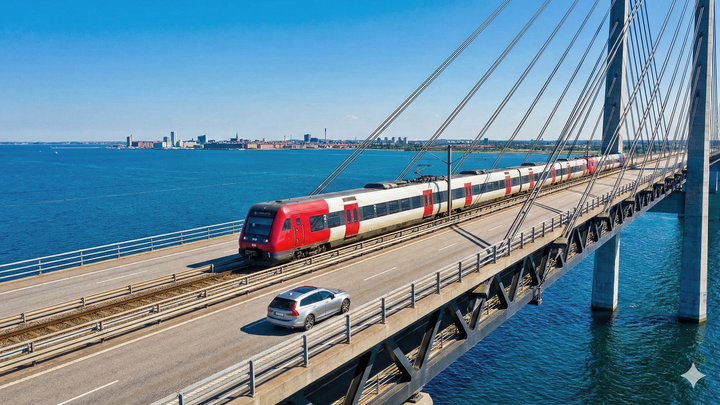
🌉 Copenhagen–Malmö: Train or Car? Budget Breakdown for 1–4 People
🧾 Comparing costs for the Copenhagen–Malmö trip: train, car, Øresund Bridge, fuel and parking.

Which hidden fees should you check when renting a car in Denmark?
Calculate the full cost of car rental in Denmark: winter tyres, excess, deposit, fuel, bridges, parking and extras when collecting or returning your car.

How much do the Storebælt and Øresund bridges cost?
Compare Storebælt and Øresund tolls, payment methods and ØresundGO fees. Work out return costs, weekend discounts and motorhome categories.

How do you buy DSB Orange tickets and choose the right fare?
Compare DSB Orange and Orange Fri tickets: when to book, refund deadlines, seat reservations, child fares and what to do if your train is delayed.

🚇 Transport in Copenhagen: comparison of prices for the metro, trains, CityPass and Rejsekort
📝 Find out how much transport costs in Copenhagen: CityPass, metro, Rejsekort. What to choose as a tourist.
0 comments
Log in to leave a comment