


When does spring start in Denmark?
Meteorological spring starts on 1 March and covers March, April and May. Astronomical spring begins at the spring equinox, normally around 20 March. Nature has its own pace: flowers and emerging leaves show how far the season has progressed in the place you visit.
Three ways to describe spring
DMI uses fixed months to compare seasons. The equinox describes the Sun's position relative to the equator. That is why two different answers to the question can both be correct.
A calendar date does not promise a warm afternoon. If you are asking because you are planning a holiday, the local forecast and your activities determine what to pack.
Sources: DMI on spring months and DMI on the equinox. Checked 13 November 2026.
Why can early March still feel cold?
DMI explains that early March is often colder than early December. The change of calendar season does not necessarily coincide with the feeling of warmer weather.
Plan a short first outing if your aim is simply to get outside after winter. Choose somewhere you can turn back or go indoors, and save a longer woodland walk for a more suitable day. You do not need a particular temperature threshold or an expectation that the whole country turns green at once.
Source: DMI: Spring at half speed.
Which flowers and trees should you look for?
The Danish Nature Agency describes sweet violets flowering in March and April. Wood anemones use the light reaching the forest floor before beech leaves create shade. An early woodland visit can therefore be interesting even while the crowns are bare.
The table helps you notice changes; it is not a flowering calendar for a particular year. Try photographing the same spot a few weeks apart. The change from a bright woodland floor to a green canopy becomes easy to see.
Source: Danish Nature Agency: Woodland flowers and trees.
A specific place: Jægersborg Hegn
The Nature Agency's seasonal guide describes anemones in late March, birch around Bøllemosen in mid-April and beech leaves in late April or early May. Oak follows later, in May.
Use that sequence to choose the subject of your walk. For woodland-floor photography, look for the anemones. For fresh green foliage, emerging leaves matter more than the date spring begins. These are usual seasonal patterns, which weather can shift.
Source: Danish Nature Agency: Jægersborg Hegn through the year.
Another outing: listen for spring in Farumskovene
The Nature Agency's Farumskovene guide includes birdsong and woodpeckers drumming among the early signs of spring. A walk need not wait for flowers or fully leafy trees.
Walk a short stretch and pause to listen. With children, make the task finding one sound, one leaf and one flower. That gives even a small outing a purpose without setting a distance target.
Source: Danish Nature Agency: Farumskovene through the year.
Planning a spring day
DMI provides weather forecasts and climate normals. Normals describe a longer period; they do not tell you the weather on your outing date.
Start with the forecast for your destination. Then choose one outdoor activity and somewhere for a break. In Copenhagen, find an indoor stop in the museum directory and a break among the city's cafés. For an Aarhus outing, the café directory serves the same purpose. Check the chosen venue's opening hours for your visit date.
If you are choosing March, April or May for a longer trip, read spring in Denmark month by month.
Sources: DMI weather and climate normals.
Questions and answers
Meteorological spring starts on 1 March.
March, April and May in the meteorological calendar.
It is when the Sun crosses the equator towards the northern hemisphere. Day and night are approximately equal in length.
No. DMI notes that early March is often colder than early December.
The Nature Agency gives March and April.
They use sunlight on the woodland floor before foliage creates shade.
The guide describes beech leaves emerging in late April or early May.
At DMI. Use the forecast for the destination rather than a seasonal average.

Read also

Copenhagen in January and February: a winter plan for 2027
Plan January museum days, short walks and transport in Copenhagen, with confirmed 2027 light-festival and Vinterjazz dates.
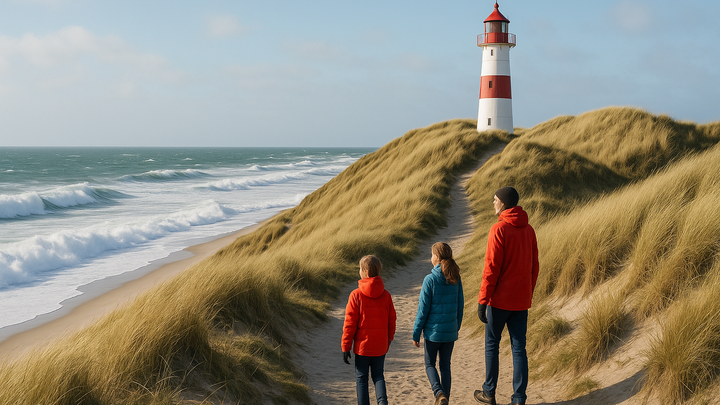
How should I plan an autumn or winter trip to West Jutland?
Plan autumn and winter in West Jutland with a warm base, flexible days and DMI warnings. Check storm advice, coastal walks and your route home.
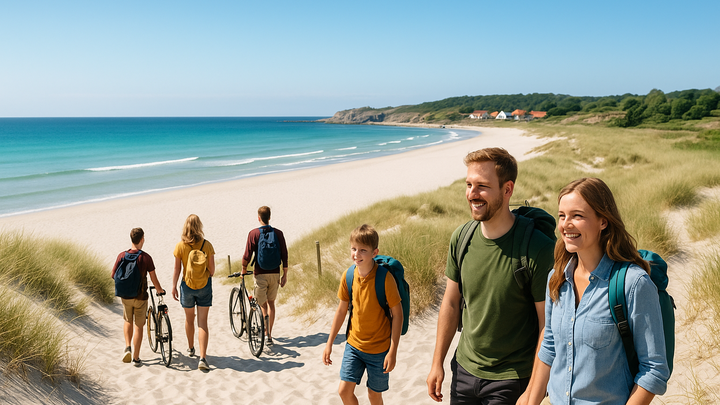
How can I plan a three- or four-day Bornholm itinerary?
Plan three or four days on Bornholm with northern cliffs, southern beaches and coastal towns. Check ferries, buses, arrival, weather and your return.

🎡 LEGOLAND + Copenhagen in 3–4 days: when the queues are shorter
📝 How to combine Copenhagen and LEGOLAND in 3–4 days. When the queues are shorter, whether it is worth adding a spare day and where to stay overnight.
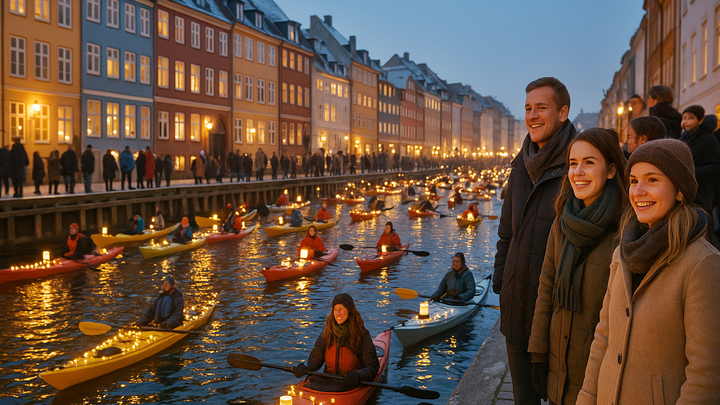
How do you plan a Copenhagen Lucia trip for 13 December?
Plan a short Copenhagen trip for Lucia in kayaks on 13 December. Check the programme year, overnight stays, your return journey and a bad-weather backup.
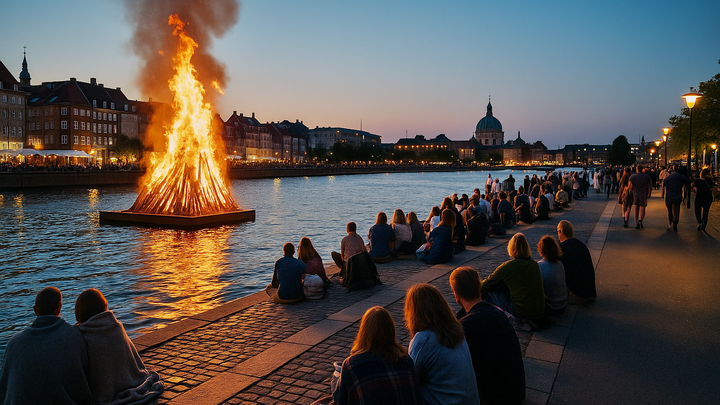
🎇 Sankt Hans (23 June): how to spend 2–3 days around bonfires on the water
📝 Mystical bonfires by the water, songs and crowds. How to spend 2–3 days in Copenhagen on Sankt Hans and not get confused by locations, logistics and evening …
0 comments
Log in to leave a comment