


⛴️ Denmark ferry prices in 2026: routes, tickets, seasonality & how to save
Denmark ferry prices in 2026 are not always fixed. Short island shuttles may publish stable public fares, while major routes use Low Price / Standard / Flex tiers and can vary by demand (similar to flights). To estimate cost, you need the route, what you bring (walk-on/car/trailer), and how flexible you need to be.
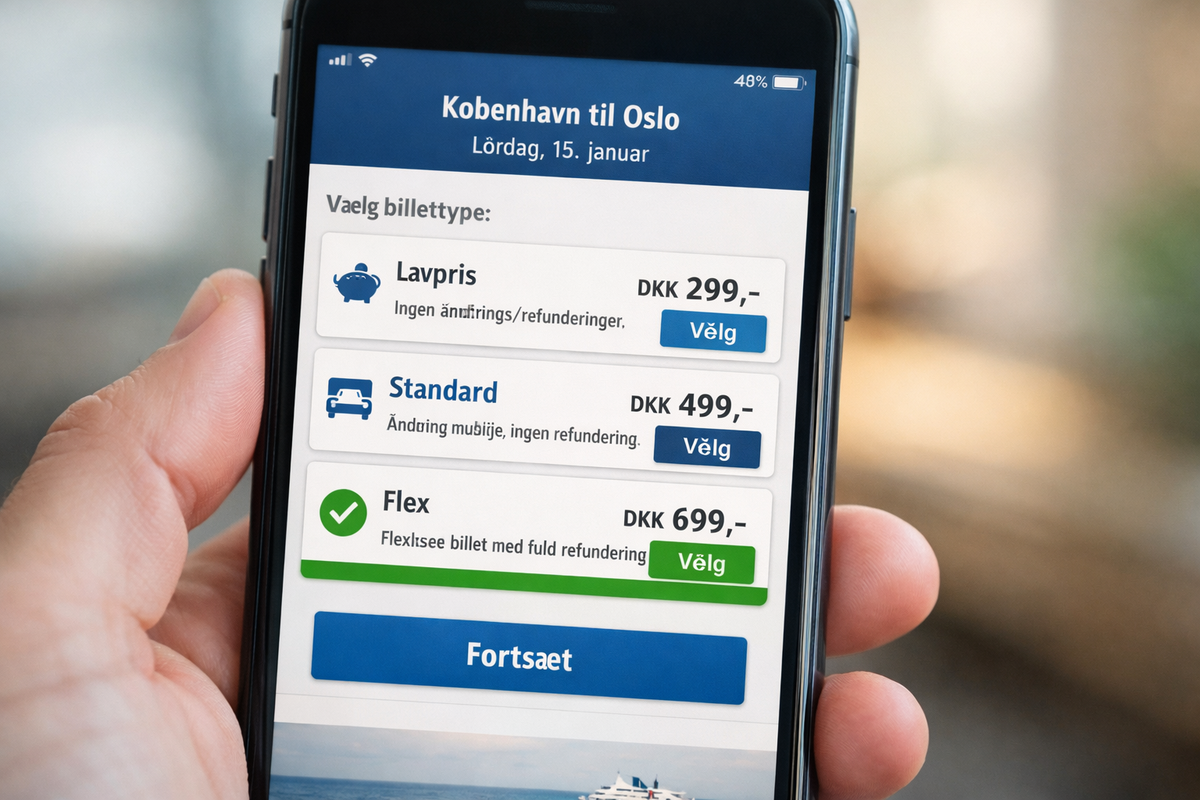
🧭 Fixed fares or dynamic pricing: how Denmark works in 2026
✅ 1) Fixed-ish public fares
Many short routes publish clear prices and conditions. Example: Fanølinjen shows clear 2026 return fares for typical passenger cars and explains rules.
🔁 2) Demand-based pricing on popular routes
On high-demand routes, “cheap” is often a quota. Scandlines explicitly notes demand variation and shows tiers.
🧾 3) The price is route + vehicle + flexibility
Walk-on vs car, vehicle class, trailers and ticket flexibility are the core drivers.
🎟️ Glossary: Low Price / Standard / Flex
- Low Price: cheapest, often online-only, tied to a specific departure.
- Standard: more flexible; harbour purchase can be much higher than online.
- Flex: pay more for rebooking freedom; usually the highest tier.
💶 2026 price anchors for the most searched Denmark ferry routes
📊 Denmark ferry price anchors (2026) — 14 routes
Public “from” prices or published fares available in early 2026. Final price may vary by demand, season, ticket tier and vehicle class.
| Route | Operator | What’s priced | Anchor price | Ticket type / key note |
|---|---|---|---|---|
| Puttgarden–Rødby | Scandlines | Car (one-way) |
Low Price: 52 EUR Standard: 51.20 EUR (harbour from 108 EUR) Flex: 115 EUR (harbour from 145 EUR) |
Low PriceStandardFlexDemand-based; Low Price is online-only and departure-specific. |
| Rostock–Gedser | Scandlines | Car (one-way) |
Low Price: 74 EUR Standard: 70 EUR (harbour from 144 EUR) Flex: 153 EUR (harbour from 194 EUR) |
Low PriceStandardFlexSame logic: cheap quota + higher flexible tiers. |
| Helsingør–Helsingborg | Øresundslinjen | Car (DKK, low season 2026) | Lowprice: 199 DKK Standard: 460 DKK |
Low season 2026LowpriceStandardAlso has walk-on fares; seasons split into low/peak. |
| Helsingør–Helsingborg | Øresundslinjen | Walk-on (single) | Lowprice adult: 45 DKK Standard adult: 56 DKK (1-day: 112 DKK) |
Foot passengersWalk-on tickets exist as Lowprice and Standard. |
| Aarhus–Odden | Molslinjen | Car (from) | from 249 DKK | Lowprice“From” depends on departure/quota; vehicle height rules apply. |
| Esbjerg–Fanø | Fanølinjen | Car ≤1.95m/≤6m (return) | Flex: 269 DKK Standard: 325 DKK |
ReturnCarCar ticket often includes up to 9 people. Children 0–17 and bicycles are free on foot. |
| Hou–Sælvig (Samsø) | Samsølinjen | Car (incl. up to 9) | Lavpris: from 99 DKK Standard: 400 DKK |
LavprisStandardClassic “quota vs standard” pattern. |
| Bøjden–Fynshav | Alslinjen | Car ≤1.95m/≤6m (standard) | 242 DKK | StandardIncludes up to 9 people; standard ticket is refundable. |
| Ærøfærgerne | Ærøfærgerne | Walk-on passenger (one-way) | Adult: 68 DKK | Single fare listChildren 0–11 free with a paying adult (max 2). |
| Ærøfærgerne | Ærøfærgerne | Car <6m (one-way) | 142 DKK(driver not included) | Car priced separatelyPassenger and vehicle can be priced separately. |
| Grenaa–Anholt | AnholtFærgen | Car <6m (return) | 4162 DKK | Reservation requiredRemote route; reservation required year-round. |
| Rønne–Ystad | Bornholmslinjen | Walk-on (children 12–15) | Lavpris: from 29 DKK Standard: 99 DKK |
2026 walk-onChildren 0–11 free with a paying adult (max 2). |
| Køge–Rønne | Bornholmslinjen | Cabin (add-on) | 1–2 ppl: 199–299 DKK 3–4 ppl: 299–399 DKK |
CabinOvernight comfortCabins matter most on overnight sailings. |
| Frederikshavn–Læsø | Læsøfærgen | Car <1.9m incl. 7 people (one-way) | 520 DKK | 2026 price listPrice list states fares are per single journey (not return). |
| Thyborøn–Agger | Thyborøn-Agger Færgefart | Day ticket (high/low season) | High season adult: 35 DKK Low season adult: 25 DKK |
Seasonal day ticketDay ticket for pedestrians/cyclists; same-day return charged as one way. |
| Spodsbjerg–Tårs | Langelandslinjen | Bizz standard car <6m (agreement product) | 297 DKK | Agreement fareAnchor for frequent users (contract/Bizz pricing). |
📅 2026 seasonality forecast
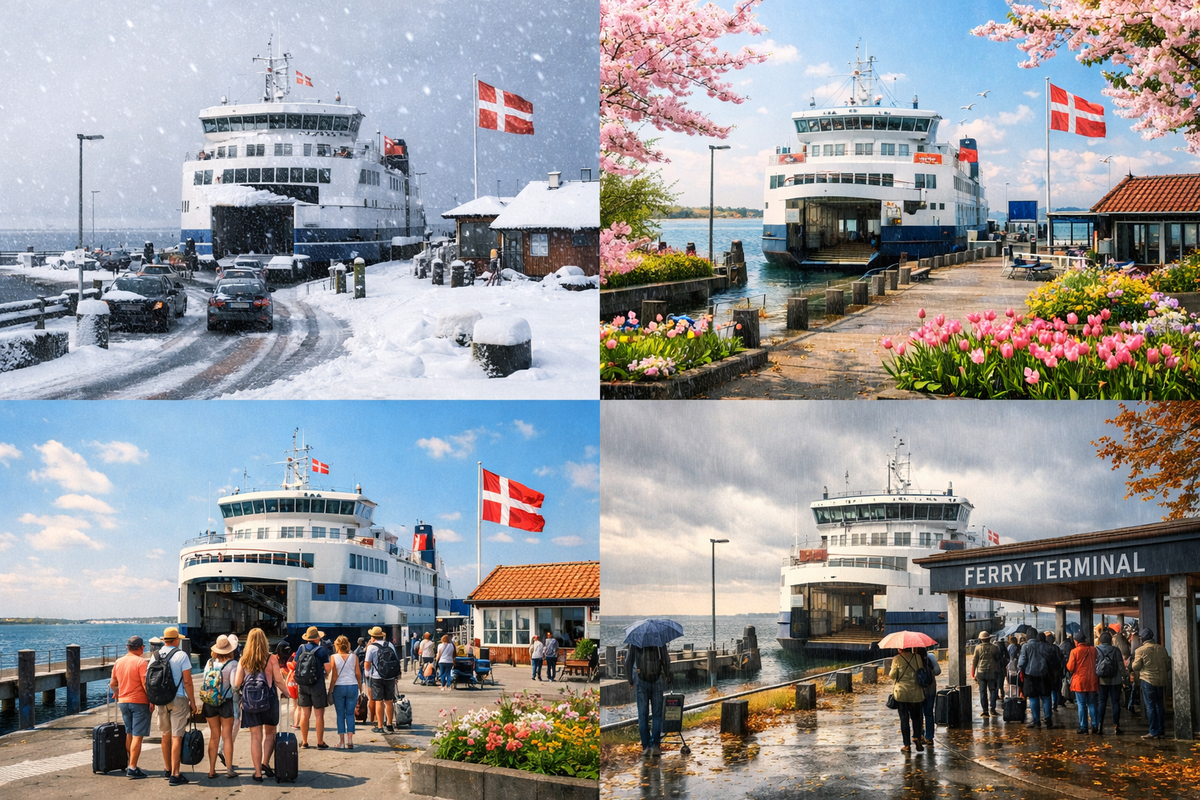
📅 Denmark ferry seasonality (2026): what to expect
| Period | Price trend | Best for | Main nuance |
|---|---|---|---|
| Jan–Mar | Often calmer; more low-tier availability | Flexible walk-on travelers | Weather (wind) matters more than price |
| Apr–Jun | Shoulder season with holiday spikes | Mid-week travel | Easter/holidays drain cheap quotas fast |
| Jul–Aug | Peak: Low Price sells out quickly | Early bookers | Queues/high load |
| Sep–Nov | Often best balance of price & availability | Couples, slow travel, no car | More wind and rain |
| Late Dec | Holiday demand spikes on key windows | Flexible dates | Tight connections are risky |
✅ Saving checklist
✅ Checklist: how to pay less for Danish ferries
🚫 Mistakes that make ferries unexpectedly expensive
- wrong vehicle class → recalculation
- Low Price + tight arrival → stress / loss risk
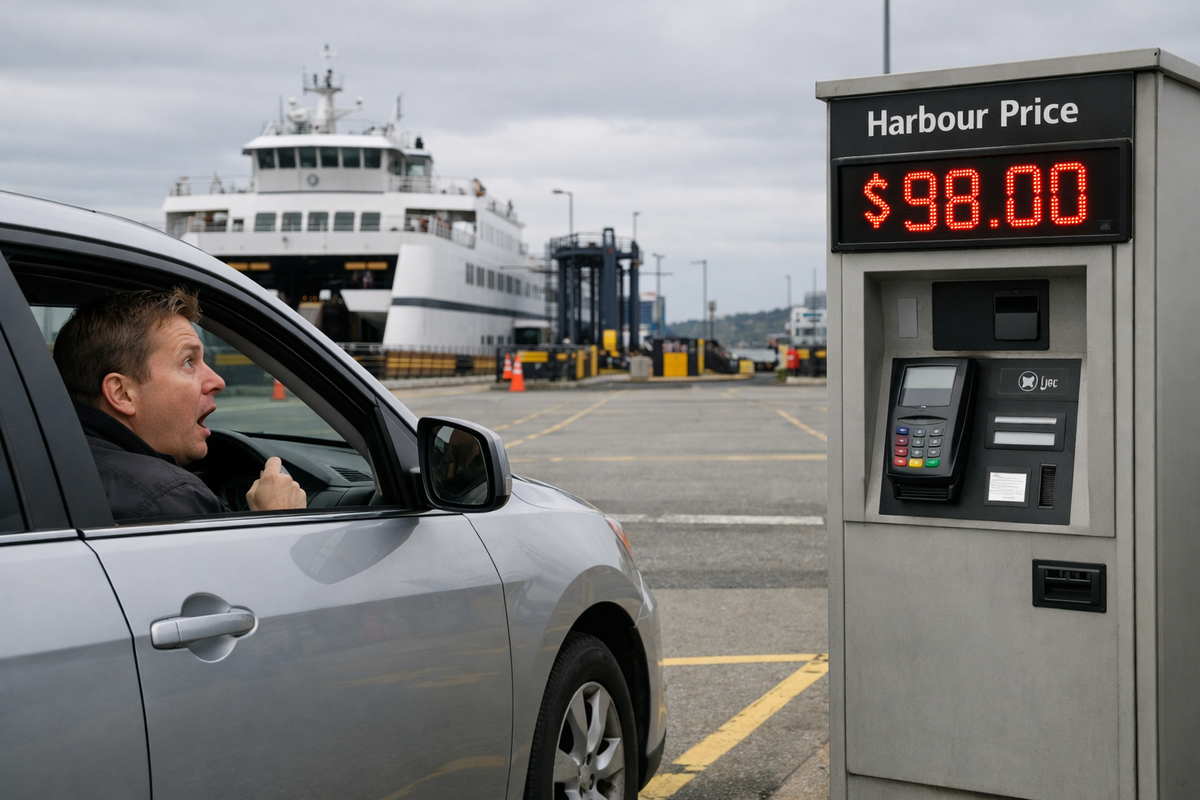
- buying at the harbour at higher “harbour price” level (Scandlines shows the gap)
- forgetting trailer/vehicle dimensions
- winter travel with no buffer (wind delays)
❓FAQ
Not always. Some short island routes publish clear public fares, but many popular routes use tiered pricing (Low Price / Standard / Flex) and can change with demand and departure time. The best way to think about it: there’s often a cheap quota and then higher tiers once it’s gone.
In plain terms: Low Price is cheapest but usually tied to one specific departure and often online-only; Standard offers more flexibility; Flex is the “pay more, worry less” option with the highest rebooking freedom.
Because price is influenced by demand and departure patterns (Friday/Sunday peaks), plus seasonality (July–August) and ticket tier availability (cheap quotas selling out first).
Often online is cheaper, and in some systems the “harbour price” can be much higher than the advertised online “from price.” Scandlines shows a clear difference between online and harbour pricing on some tiers.
Both models exist. Some routes price a car ticket that includes passengers up to a limit (examples shown for Fanølinjen and Samsølinjen), while other routes list passenger and vehicle fares separately (Ærøfærgerne fare lists).
As early as you reasonably can once your dates are stable. The issue is not only “selling out”, but that the cheapest tiers disappear first, so late booking often means paying for a higher ticket type.
Yes if you have real timing risk (tight train/flight connections, uncertain driving time, winter weather). If your schedule is stable and you can arrive early, a cheaper tier is often smarter.
The most common ones are selecting the wrong vehicle class (height/length/trailer), assuming the “from price” is always available, arriving too close to check-in with a strict ticket, and buying late at the terminal when harbour pricing applies.
It depends on the operator and whether you’re walk-on or with a car. Many island routes have simple rules (often very friendly to bikes on foot), while some treat larger pets or extra equipment as a separate condition. Always check the specific route’s conditions before paying.
It’s not common on major routes, but wind and storms can cause delays or cancellations on exposed crossings—especially in winter. That’s when flexibility (or simply having more buffer time) matters more than saving a small amount on the ticket.

0 comments
Log in to leave a comment