


❄️ Winter Weekend in 2–3 Days: Copenhagen, Oslo, Stockholm or Helsinki?
You’ve got a cheap ticket to Scandinavia and a 2–3 day window, but the first thought is: “It’ll be dark, cold, I won’t manage anything, the whole weekend will disappear on the road.” Familiar. At the same time, the classic questions pop up: “Copenhagen or Stockholm?”, “Maybe Oslo with the fjord?” or “Helsinki and saunas?”
This guide brings together four winter portraits: Copenhagen, Oslo, Stockholm and Helsinki — with a focus on what you can realistically see in 48–72 hours with short daylight. Below you’ll find a comparison of the cities by museums, saunas, food and atmosphere, ready-made itineraries and logistics for arrivals/departures. The article is aimed at independent travellers who have 2–3 free days and want to spend them effectively instead of queuing in airports.
🧊 Copenhagen, Oslo, Stockholm, Helsinki in Winter: Quick City Profiles
🏙️ Copenhagen in Winter
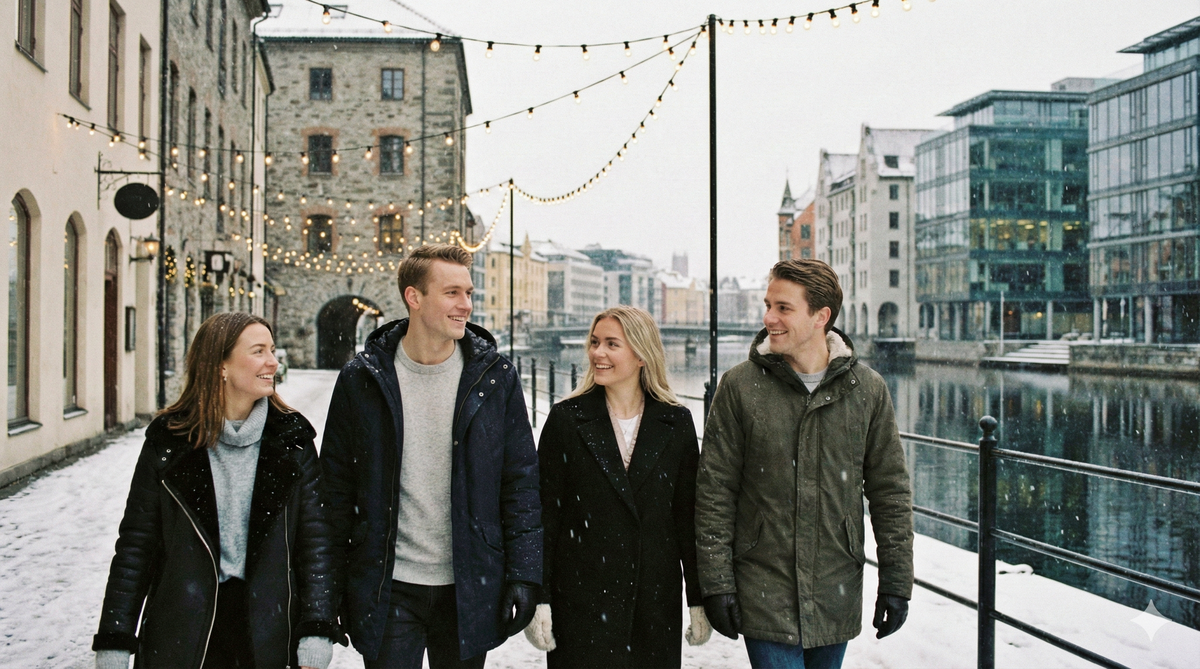
Copenhagen in winter is a dense mix of hygge, design and lights. The centre is compact, comfortable for walking even at +2 °C with wind. In the evening the city doesn’t die: cafés, bars, restaurants, winter versions of food markets, Tivoli and lit-up waterfronts are all active.
In terms of museums and culture, Copenhagen offers a consistently “strong” set: Danish design, contemporary art, architecture, history – all within reach in 2–3 days. Saunas and sea baths exist, but they’re not the main focus as in Helsinki: more like a pleasant bonus to the urban life by the water.
Christmas markets and winter are a strong point: Tivoli, Nyhavn, squares and streets in the centre give the feeling of a “Christmas park”, even if you arrive after Christmas. Gastronomy ranges from street food to New Nordic restaurants, with a focus on coffee, pastries, fish and smørrebrød. Nightlife exists: bars, wine and cocktail spots, small clubs – more than enough to fill 1–2 evenings. Copenhagen will not be budget-friendly: subjectively it’s the most expensive option or close to it.
🏔️ Oslo in Winter
Oslo is a compact centre + fjord + fast access to nature. In the evening the city feels calmer than Copenhagen: fewer lights and “attraction park” vibes, more air and views of the water and hills. For those who like waterfront architecture, modern museums and the feeling that the forest is a step away, it works very well.
Museums: a strong line-up (national collections, contemporary art, Munch Museum, new spaces on the waterfront). Saunas and baths are one of the key arguments: floating saunas in the harbour, dips in the fjord, SPA formats that fit naturally into a winter weekend. Winter activities include skating rinks and ski areas literally “around the corner” (a metro or short train ride away).
Markets and a central winter fair exist, but in terms of scale and “Christmas postcard” effect Oslo usually loses to Copenhagen and Stockholm. Gastronomy is solid, with an emphasis on seafood and modern Scandinavian cuisine; nightlife is there but more point-based. In terms of budget, Oslo is one of the most expensive options, especially for alcohol and restaurants.
🌉 Stockholm in Winter
Stockholm in winter is an archipelago, Gamla Stan, water and a calm rhythm. The centre has lots of lights and beautiful viewpoints, but the general atmosphere is perceived as slightly more measured than in Copenhagen. In the evening the city doesn’t fall asleep, but the “market noise” is softer.
For museums Stockholm is a strong player: from classical art to contemporary art, maritime history and interactive spaces. Saunas and baths exist but they don’t define the city the way they do in Helsinki. Christmas and winter: Gamla Stan, small courtyards, markets, rinks and waterfront walks create a stable “winter postcard” feeling.
Gastronomy offers a good balance between cafés, food courts and mid-range / upper-midrange restaurants, plus fika culture, which works excellently to “hold” a short winter day. Nightlife exists, but if you want an aggressive “party weekend”, Copenhagen is usually a better benchmark. In terms of budget, Stockholm is typically slightly softer than Copenhagen and Oslo, but it’s still far from “cheap”.
🌊 Helsinki in Winter
Helsinki is saunas, the Baltic Sea and a calm centre. Visually, the city is slightly harsher: rocks, strict architecture, wide streets. But the winter format is very logical: market, coffee, waterfront walk, sauna, dinner – and repeat that for 2–3 days.
There are museums (design, architecture, art), but sauna culture and baths often become the main reason to fly in. There are fewer Christmas markets than in Copenhagen and Stockholm, but they’re concentrated in the centre and combine well with saunas and cafés.
Gastronomy has a strong focus on coffee, pastries, Scandinavian and Finnish cuisine; many small atmospheric places where it’s pleasant to “wait out” the darkness. Nightlife is present, but a weekend in Helsinki is usually about a calm pace and slow travel, not full-on clubbing. In terms of budget, Helsinki is usually slightly cheaper than Oslo and Copenhagen, comparable to or a bit more than Stockholm.
📊 Summary Table: Which Capital Suits Whom
Below is a compact comparison. Values are indicative and help quickly narrow down your choice.
| City | Museums | Saunas/SPA | Markets/Winter | Food | Nightlife | Prices | Best for |
|---|---|---|---|---|---|---|---|
| Copenhagen | Strong, lots of design and architecture | Available, but not the main focus | Very bright: Tivoli, centre, canals | Wide choice, strong gastro scene | Bars, cocktail spots, clubs | Very high | Design, food, markets, lively city |
| Oslo | Strong, especially on the waterfront | One of the key features | Exists, but focus on nature and fjord | High quality, especially seafood | There, but more spot-based | Very high | Saunas, nature, “city + skiing” |
| Stockholm | Strong and diverse | Exist, but not dominant | Very atmospheric old town | Cafés, food courts, restaurants | Present, but without overload | High, but slightly softer | Balance of museums, walks and fika |
| Helsinki | Good, with a focus on design | Very strong focus | Compact, plus saunas and lights | Lots of coffee, pastries and bistros | Exists, but calmer | Medium–high | Saunas, design, a relaxed weekend |
🗺️ 2–3 Day Itineraries: What You Can Fit in Each Capital
🚲 Copenhagen in 2–3 Winter Days
Day 1 (Centre and Classics, ~48 Hours)
- 10:00–13:00 – walk through the centre and Nyhavn, then along the water to the Opera House and back via the royal quarter. Use daylight to the maximum: views, photos, canals.
- 13:00–15:00 – lunch at a food market (Torvehallerne-type) close to the main streets — easy to “dock” to the route.
- 15:00–18:00 – museum block (e.g. design/history) within walking distance of the centre.
- After 18:00 – dinner + Tivoli or a walk through the lit-up streets; optional bar in Vesterbro.
Day 2 (Design and Waterfront Districts)
- 10:00–13:00 – architecture-focused morning: BLOX / Danish Architecture Center area and a walk along the waterfront.
- 13:00–15:00 – lunch in Christianshavn or nearby streets.
- 15:00–18:00 – second museum block (e.g. contemporary art) or indoor space.
- After 18:00 – dinner and a hygge evening in a café/wine bar, finishing with a short stroll along the canals.
Day 3 (If You Have 72 Hours)
- Daytime – one “local life” district: Nørrebro or Vesterbro with a focus on cafés, street life and small shops.
- Evening – final dinner and, if you like, light bar-hopping within one area, without crossing the whole city.
🏔️ Oslo in 2–3 Winter Days
Day 1 (Centre and Waterfront)
- 10:00–13:00 – walk along the waterfront: Opera House, MUNCH, new waterfront districts, fjord views.
- 13:00–15:00 – lunch in a food hall/market in the centre.
- 15:00–18:00 – one major museum (for example, contemporary art).
- After 18:00 – dinner and optionally a bar or concert in the city centre.
Day 2 (Saunas and Fjord Views)
- 10:00–13:00 – city park/district with viewpoints (for example, hills above the city) or a short trip to a suburban walking area.
- 13:00–15:00 – lunch near your chosen sauna/bath area.
- 15:00–18:00 – sauna + (optional) dip block in the city harbour. Booking is better done in advance, especially at weekends.
- After 18:00 – dinner in a relaxed place, ideally with a fjord view.
Day 3 (72 Hours)
- Daytime – half-day skiing or a forest hike (area reached by metro/train), back by evening.
- Evening – short walk and final dinner, no long transfers.
🌉 Stockholm in 2–3 Winter Days
Day 1 (Gamla Stan and Water)
- 10:00–13:00 – walk around Gamla Stan and nearby waterfronts: views, courtyards, photos.
- 13:00–15:00 – lunch in a café/food court in or near the old town.
- 15:00–18:00 – museum block (depending on interests: history, art, maritime).
- After 18:00 – dinner and a relaxed walk through the lit-up centre.
Day 2 (Museums + Waterfront Districts)
- 10:00–13:00 – one major museum outside the old town (with logistics in mind).
- 13:00–15:00 – lunch in the same area or at a food market en route.
- 15:00–18:00 – a second museum/gallery or a walk on another island with a café stop.
- After 18:00 – dinner and, if you wish, drinks in a bar/cocktail spot in one district (no cross-city sprints).
Day 3 (72 Hours)
- Daytime – laid-back programme in “your” area: walk, fika, a small museum or gallery, some shopping.
- Evening – final dinner and packing for departure.
🌊 Helsinki in 2–3 Winter Days
Day 1 (Centre and Market)
- 10:00–13:00 – walk through the centre and down to the waterfront, squares and bayside views.
- 13:00–15:00 – lunch at a covered market or in a central café.
- 15:00–18:00 – design/art museum or other indoor space.
- After 18:00 – dinner and a short stroll through the lit-up centre.
Day 2 (Saunas and a Calm Rhythm)
- 10:00–13:00 – walk in one of the waterfront districts, with coffee and pastry stops.
- 13:00–15:00 – lunch near your chosen sauna.
- 15:00–18:00 – urban sauna session: several rounds, rest, optional dip.
- After 18:00 – dinner and a quiet return to the hotel on foot or by tram.
Day 3 (72 Hours)
- Daytime – another museum or a short trip to a nearby coastal area.
Evening – light dinner and preparation for departure.
✈️ Logistics: Flights, Airports and How Not to Lose Half a Day
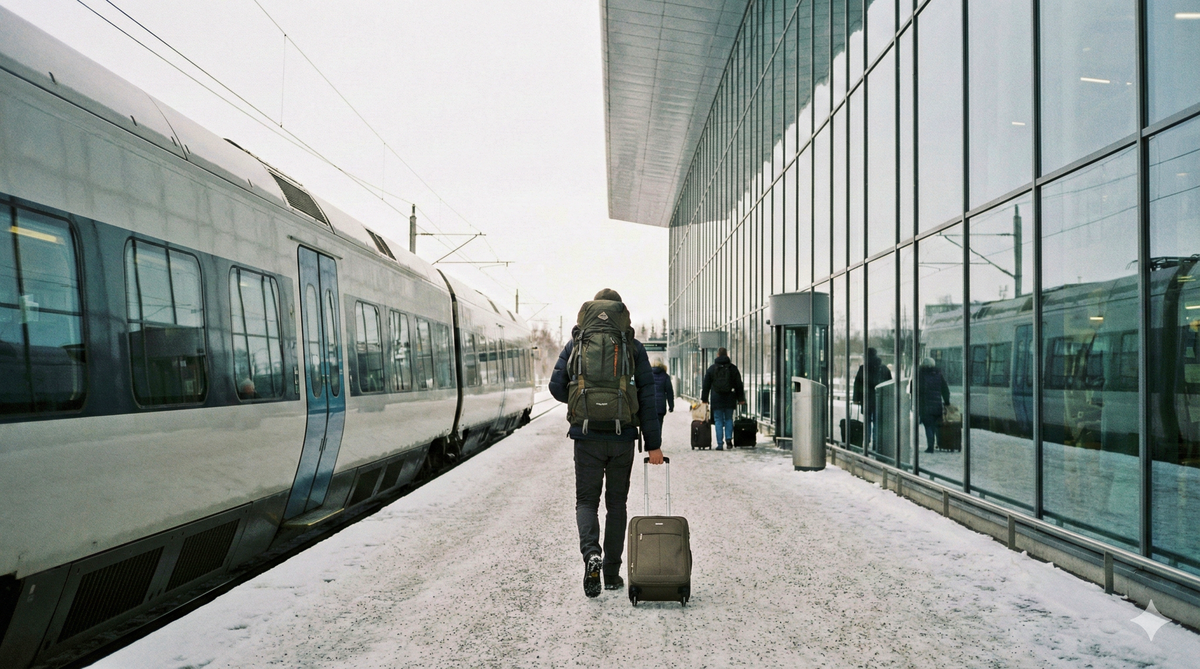
Prices and schedules change and must be checked on official websites before your trip. Below are average benchmarks.
🛬 Copenhagen: Fitting the Airport into the Plan
Copenhagen Airport is very close to the city.
- Train/metro: ~15–20 minutes to the centre, cost at a medium regional level; tickets from machines and apps, clear English interface.
- Bus: slightly longer but convenient at night.
- Taxi: fast but expensive, especially in the evening.
If you arrive in the evening: plan only check-in and dinner/a walk near your hotel, without “big” sightseeing in the centre – you’ll save your energy for a full day.
If your flight is early in the morning: it makes sense to stay near a metro/train line so you can reach the airport stress-free and not cut your previous evening down to 20:00.
🛬 Oslo: Fitting the Airport into the Plan
Oslo’s main airport is significantly further from the city.
- Airport express / regular train: ~20–30 minutes to the centre, express is noticeably more expensive but saves time.
- Regular train: slightly longer, cheaper, convenient for daytime arrivals.
- Bus: airport express options available, time comparable to trains.
- Taxi: expensive; mainly justified for late-night arrivals and small groups sharing the fare.
The airport–city–airport leg in Oslo eats more time and budget than in Copenhagen, and you should factor that in for a short weekend.
🛬 Stockholm: Fitting the Airport into the Plan
Stockholm has several airports; time and cost depend on where you land.
- Major airport: express train + regular trains/buses; roughly ~20–40 minutes to the centre.
- More distant airport: bus express, ~40–60 minutes.
- Taxi: very expensive solo, more reasonable for 3–4 people.
For a winter weekend it’s crucial to look at which airport you’re flying into when booking tickets: the further out, the higher the chance your first/last day turns into a “day on the road”.
🛬 Helsinki: Fitting the Airport into the Plan
Helsinki Airport is connected to the centre by commuter train and buses.
- Train: ~30 minutes to the centre, mid-range cost, tickets via machines/app, easy in English.
- Bus: similar travel time, can be convenient at night.
- Taxi: noticeably more expensive than public transport, but sometimes justified for a group.
In terms of logistics, Helsinki is close to Copenhagen: straightforward journey, English-language signs, minimal risk of “getting stuck”.
🚉 Quick Logistics Table
| City | Transport | Time | Cost | Night-time specifics |
|---|---|---|---|---|
| Copenhagen | Train, metro, bus, taxi | ~15–25 min | Medium level | Night buses, taxis; clear logistics |
| Oslo | Express, regular train, bus, taxi | ~20–40 min | Above average | Fewer options, taxis expensive |
| Stockholm | Express train, airport bus, taxi | ~20–60 min | Highly airport-dependent | Rely on buses and taxis |
| Helsinki | Commuter train, bus, taxi | ~25–35 min | Medium level | Night options exist, taxi as plan B |
🧳 Practice and Conclusions: What to Pack, What to Avoid and How to Choose a City
🎒 What to Pack for Winter: Minimal Checklist
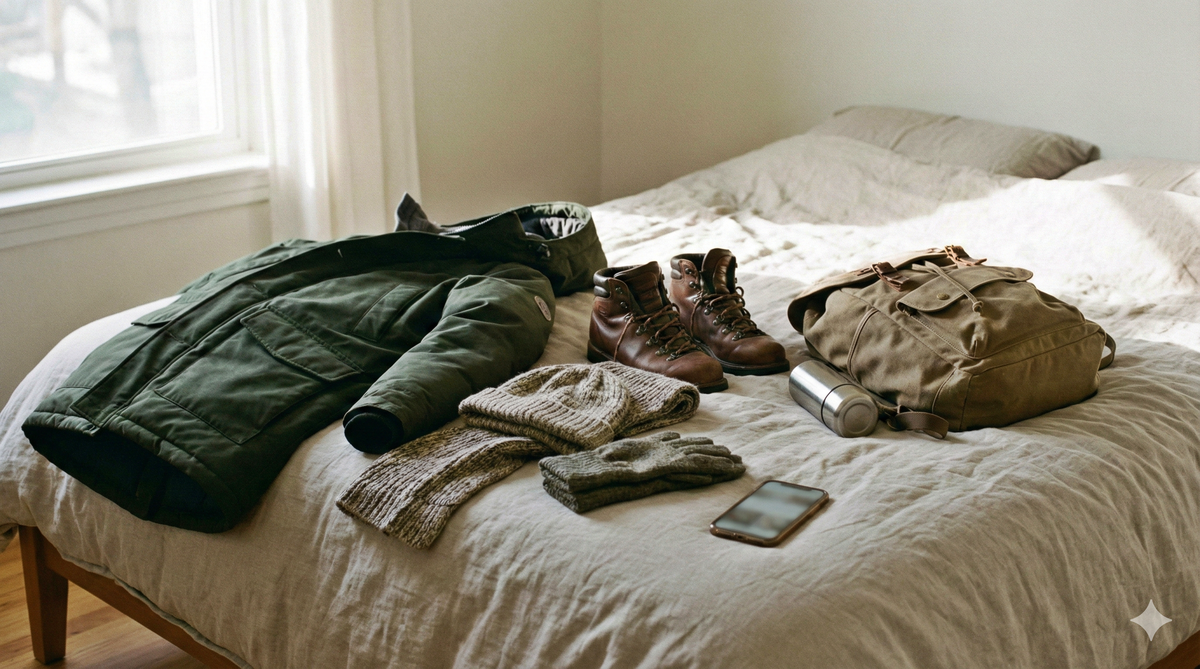
- Layered clothing: thermal underwear, fleece/wool, windproof and preferably waterproof jacket.
- Footwear: warm, comfortable, with non-slip soles; plus an extra pair of socks in your day pack.
- Accessories: hat, warm gloves, scarf/buff; thin touchscreen gloves for phone and photos.
- Small items: small thermos, power bank, hand/face cream, protective cases for electronics.
Pro tip: don’t save weight on a good outer layer and proper shoes – this directly affects how much walking you actually manage and how satisfied you are with the weekend.
⚠️ Typical Mistakes on Winter Weekends
- Overpacking the schedule without factoring in wind, wet snow and fatigue – in the end you miss half of it and get annoyed.
- Wrong day/night split: museums in daylight and long waterfront walks in the evening when it’s dark and damp.
- No reservations for popular saunas, baths and restaurants on Friday–Saturday.
- Ignoring weekend/holiday timetables for public transport: longer intervals, shorter operating hours.
- Underestimating the airport transfer: especially for Oslo and some Stockholm airports – half a day can genuinely disappear into logistics.
🎯 Final City Choice in 2 Minutes
- Pick Copenhagen if design, gastronomy, Christmas lights and a compact, lively centre matter most.
- Pick Oslo if you want a “city + nature” format, fjord, saunas and potentially skiing outside town.
- Pick Stockholm if you want a balance of old town, museums, water and calm city life.
- Pick Helsinki if saunas, design and a smoother, quieter winter capital vibe are your priorities.
Whichever city you choose, assume that part of the first and last day will be eaten by travel, and always recheck museum, sauna, market and transport schedules on official sites close to departure — in Scandinavia everything runs precisely, but on its own terms.
❓FAQ on a Winter Weekend in Scandinavia
✅ Copenhagen or Stockholm are the most universal starting points: they give a clear picture of the North and many options for a 2–3 day stay.
✅ In Oslo it’s easiest to combine the centre, fjord and a quick trip to the forest or ski tracks.
✅ Helsinki should be your first choice, with Oslo second thanks to its harbour saunas.
✅ Yes, if you plan walks for the light hours and museums, markets and saunas for the dark ones.
✅ In general, expect a high spend: accommodation + food + 1–2 paid activities per day, with Copenhagen and Oslo the most expensive, and Stockholm and Helsinki slightly softer on costs.

0 comments
Log in to leave a comment