


🌧️ Storms, wind and rain: is it worth going to Scandinavia in spring and autumn
Spring and autumn in Scandinavia look tempting: cheaper flights, more choice of hotels, crystal-clear air and empty trails in the photos. But behind this “perfect compromise” there is a different reality: long rains coming from the Atlantic, storms on the North Sea, closed island cafés and reduced ferry schedules.
This article is an honest look at the shoulder season. Where April–May and September–October really are a bargain, and where it is better to pay extra for June–August and not play weather roulette.
☔ What is shoulder season in Scandinavia?
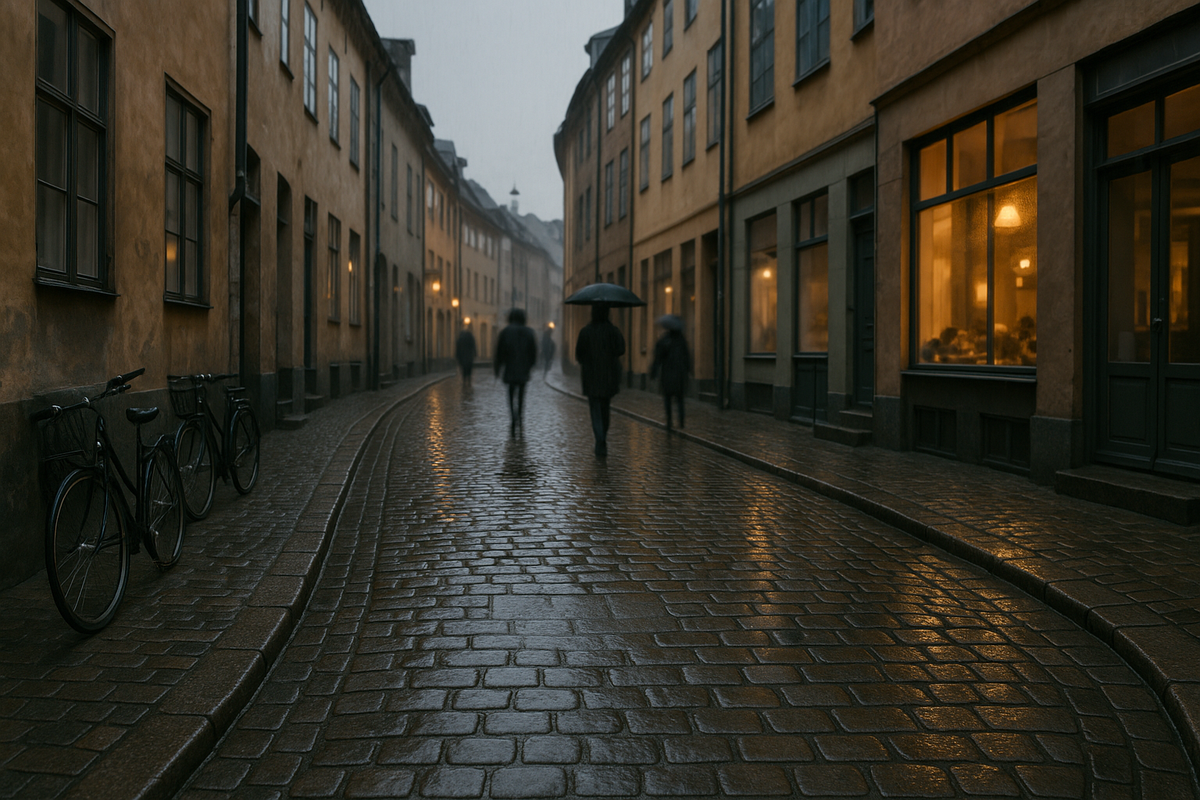
Here we will use “shoulder season” to mean:
- spring: roughly from early April to late May;
- autumn: from early September to late October.
In winter you have Christmas markets, ski resorts and “hunting” for the northern lights. In summer, trails, island routes, summer cafés and street festivals are fully open. Spring and autumn are in between these poles. Already (or still) not winter, but also not yet high season.
In cities it is almost always a comfortable time: few tourists, pleasant temperatures for walking, museums and restaurants that are open all year round. On the coast and in the mountains it is more complicated: storms, wet snow, closed mountain roads and seasonal breaks in the operation of funiculars and cruises.
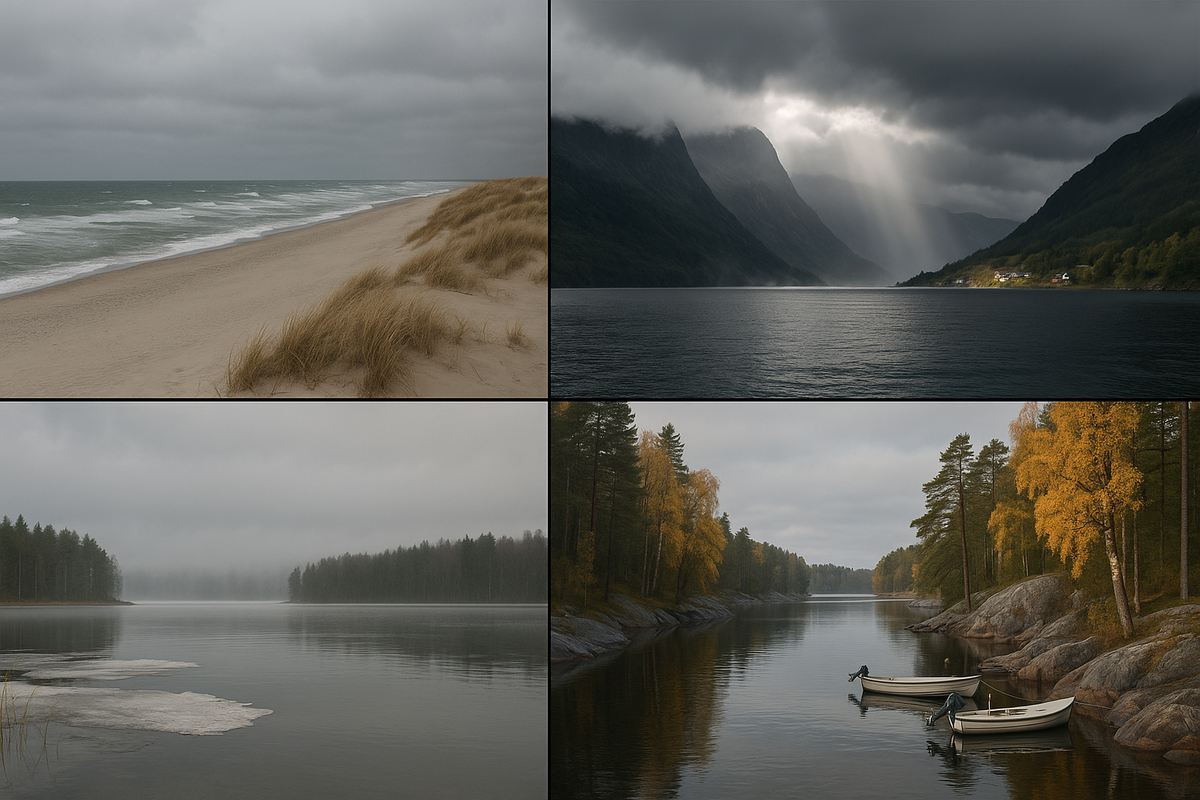
📊 Short country overview: spring and autumn
| Country | Spring (April–May) | Autumn (September–October) |
|---|---|---|
| Denmark |
|
|
| Norway |
|
|
| Sweden |
|
|
| Finland |
|
|
💨 Where storms and winds are strongest
Scandinavia stretches from the North Sea and Norwegian Sea to the calmer Baltic and deep inland lakes. In spring and autumn the weather is most “shaky” on the western coasts, which face Atlantic cyclones directly.
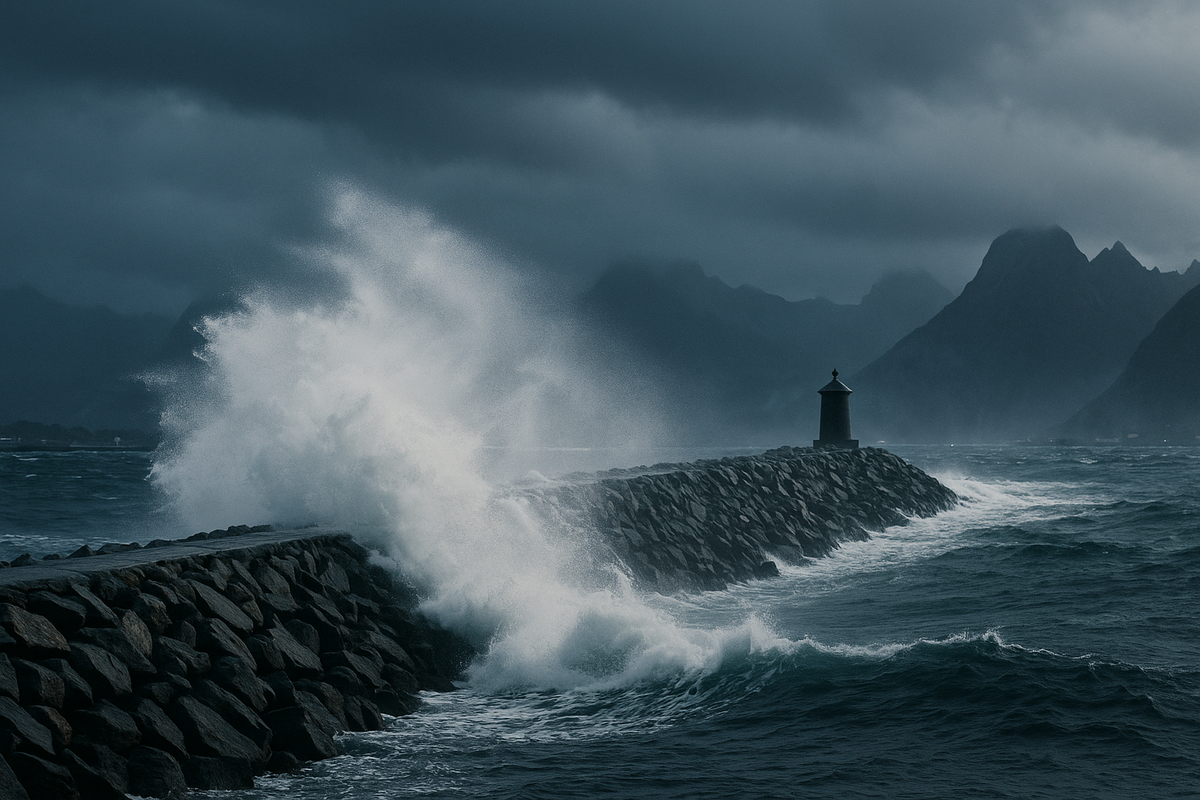
The windiest shoulder-season zones:
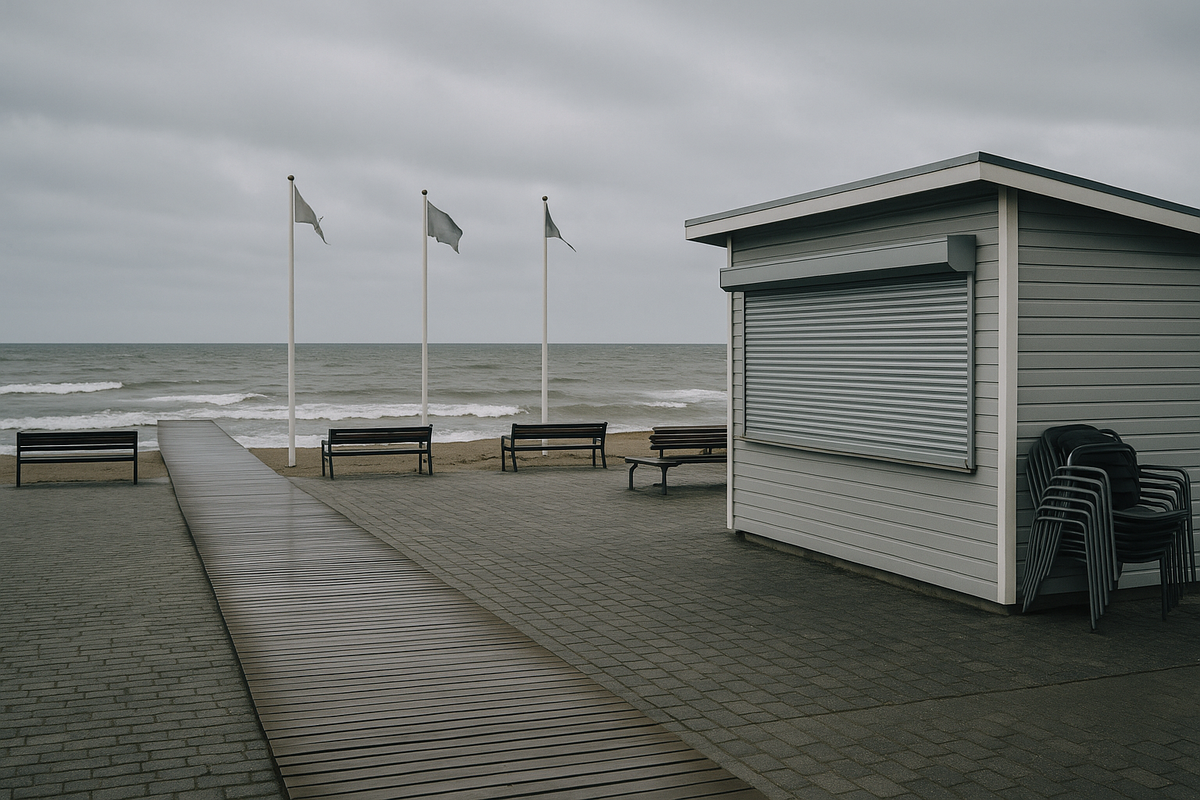
- western Jutland in Denmark — long beaches and an open North Sea horizon: beautiful, but storms and strong crosswinds are frequent;
- the Norwegian coast from Stavanger to the Lofoten Islands — this is where real Atlantic cyclones hit, capable of stopping ferries for a couple of days and reducing visibility on mountain roads;
- the North Atlantic around archipelagos and exposed islands.
Milder and more predictable, usually:
- inland, along the lakes and forest belts of Sweden and Finland;
- on the eastern and southern shores of the Baltic (around Stockholm, Helsinki, and the inner Danish straits).
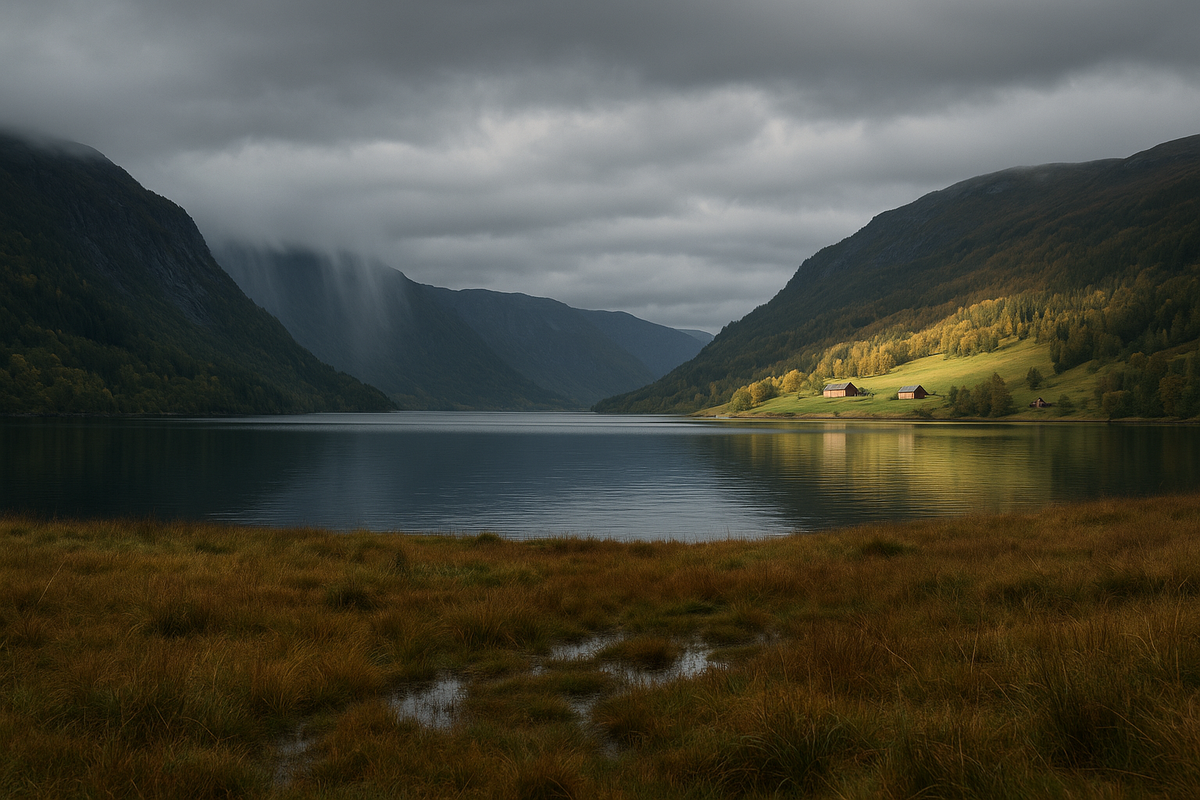
📍 Coastal risk map
| Region | Storm risk in spring | Storm risk in autumn |
|---|---|---|
| Western Jutland (Denmark, North Sea) |
|
|
| Open Norwegian coast and the Lofoten Islands |
|
|
| Baltic coast (Stockholm, southern Finland, eastern Denmark) |
|
|
| Inland lake regions and forests |
|
|
🏛️ What is open and what is not in the shoulder season
Almost everything related to cities is in full swing in shoulder season:
- museums, galleries, cafés and bars operate on a normal or slightly reduced schedule;
- most city tours do not depend much on season;
- public transport runs regularly.
Where you need to check timetables carefully:
- fjord cruises, island ferries, sightseeing boats on lakes;
- cable cars, mountain railways, lifts to viewpoints;
- seasonal campsites, summer houses by the sea, some glamping sites;
- open-air museums and historical villages.
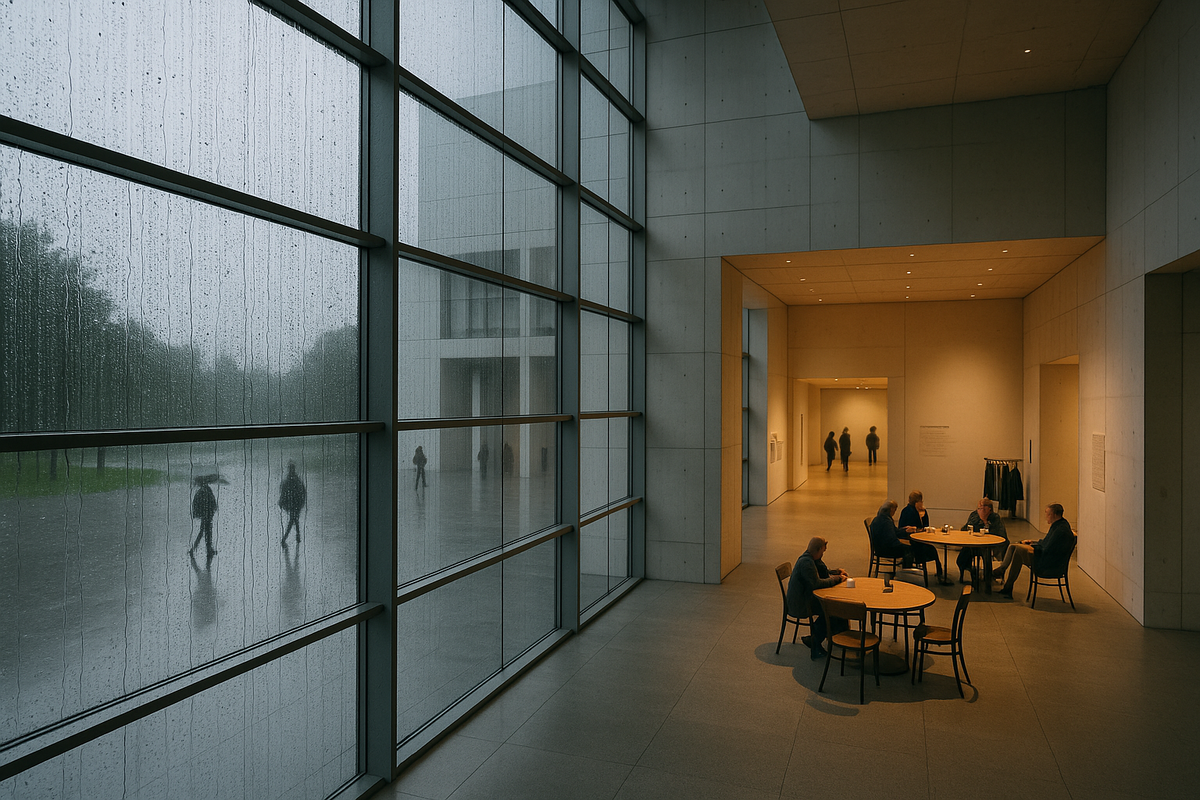
Very often reviews from shoulder season sound like this: “we arrived in what seemed like perfect September, but half the boats only ran on weekends” or “in May the trail in the national park was closed because of melting snow”. That is why before a trip in April–May and September–October it is especially important to check not only the weather, but also the status of specific attractions.
💰 Why shoulder season is cheaper – and when it is not
On average, in April–May and September–October:
- flights and trains between countries are noticeably cheaper than in July;
• the choice of accommodation is wider, and it is easier to find a nice cabin or hotel at a reasonable price;
• car rental is cheaper outside the summer holiday period.
But there are nuances:
- May holidays and school breaks can push prices almost up to summer levels;
• in some Norwegian and Danish coastal regions, September is still considered a “good” month, and prices for cabins remain high;
• in Lapland there are spring and autumn peaks of its own: March is the finale of the northern lights season, October is the start of winter.
🧮 Mini decision helper: is shoulder season right for you?
🧳 Scenario 1: the budget traveller
If you consciously choose shoulder season for the sake of saving money, the following options usually work best:
- cities and suburbs — Copenhagen, Stockholm, Oslo, Helsinki, Aarhus, Odense, Malmö;
- lake and forest regions of Sweden and Finland, where rain does not turn the route into a nightmare, but simply makes the forest feel more “Scandi”;
- Norwegian fjords in late May or the first half of September, when many cruises are already running but it is not yet unbearably crowded.
Practical tips for the budget scenario:
- plan 1–2 “spare” days in case of heavy rain, which you can spend in museums and cafés
- choose accommodation with a kitchen — if the weather fails, a cosy dinner at home will soften the impression;
- look for flexible fares on trains and ferries so that you do not lose all your money if a storm hits.
🙅♂️ Scenario 2: “I hate rain”
If the very idea of listening to rain on the roof for three days in a row makes you sad, then shoulder season is a risky choice. What you can do:
- shift the trip closer to summer: late May or the first half of June often already bring very pleasant weather, but not yet the very highest prices;
- choose less windy regions: the eastern coast, inland lake areas, cities with a rich indoor programme;
- if it still has to be April–October, do not build the trip around beaches and boats, but focus on museums, food and short walks.
🧥 How to dress and plan your day in unpredictable weather
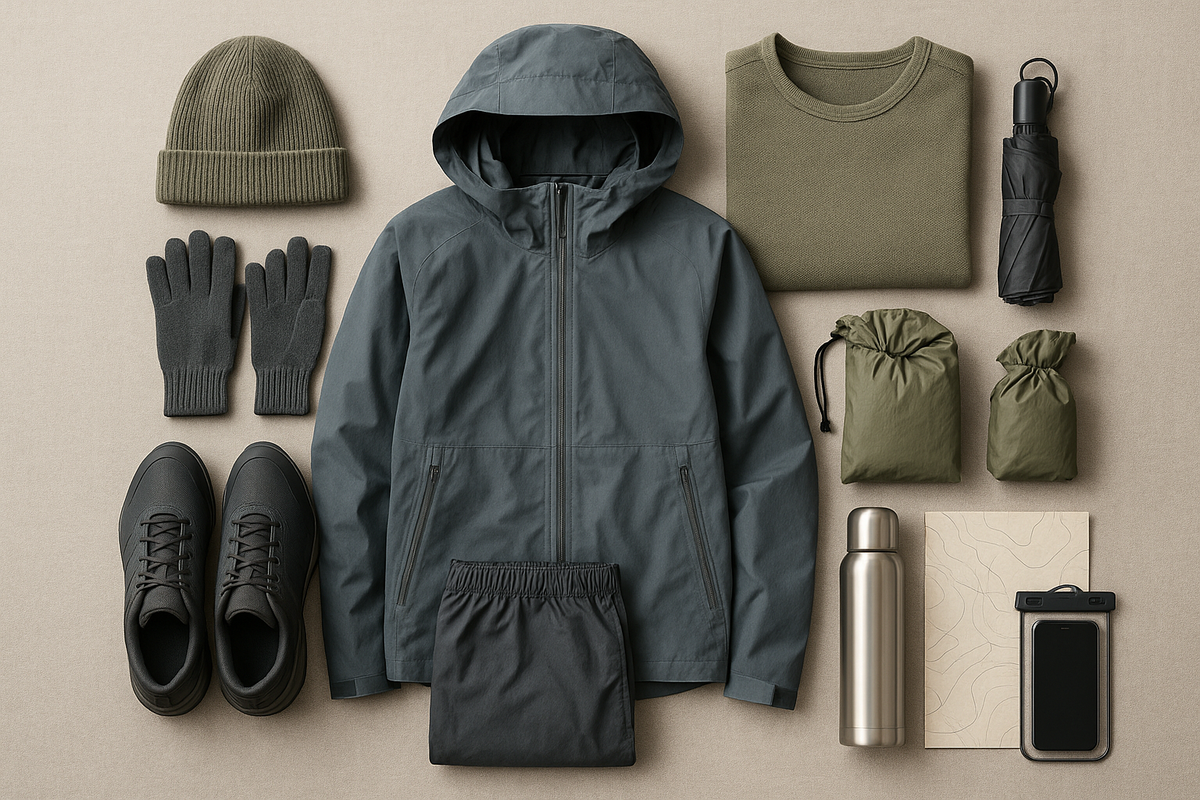
In spring and autumn in Scandinavia there is a simple rule: “you can never have too many layers”. A thermal or cotton base layer, a warm middle layer, a waterproof hooded jacket, comfortable sneakers or hiking boots. An umbrella does not always work — in strong winds a poncho or rain jacket protects you better.
Your daily plan should also be layered. In the morning, look at the hourly forecast and keep two options in mind: a dry one (parks, waterfronts, short hikes) and a wet one (museums, aquariums, cosy cafés). A common beginner mistake is to hang the “main dream” of the trip — a fjord cruise, a day on an island, a long trek — on one specific day. In shoulder season it is better to juggle such activities, moving them within the week according to the weather.
🧾 Checklist: is shoulder season right for you?
🧾 Checklist for the undecided
- 💸I really want to save 20–30% of my budget and am ready to accept unstable weather.
- 🌧️I am okay if 1–2 days of the trip are spent on “rainy-day” museums and cafés.
- 🗺️I can flexibly swap days around and plan backup options in advance.
- 🏕️Empty trails and no crowds matter more to me than a perfect picture on 100% of the days.
- 😤If I get wet and cold two days in a row, it will not ruin my impression of the country forever.
❓FAQ
No, but many things run on a reduced schedule. In cities almost all museums and restaurants are open. On the coasts and in the mountains some seasonal places (summer cafés, funiculars, small ferries) may operate only on weekends or already be preparing for winter closure.
Statistically, May and the first half of September are often drier, but there are no guarantees: in any shoulder-season month you can get either a sunny week or a long cyclone.
First of all, the open North Sea coast: western Jutland, parts of Norway’s Atlantic coast, especially the Lofoten Islands in bad weather. It is better to choose the Baltic, inland lakes and major cities, where storms are felt less.
Yes, but you need to check specific trails. In the Norwegian mountains and Lapland many popular routes are considered winter trails until the end of June and close again in late September. In the lowlands and forests of Sweden and Finland it can be muddy in spring and slippery in autumn because of wet leaves. Footwear with good grip is essential.
For city-based itineraries and major routes, trains and buses are perfectly adequate. If you are heading to wilder places and coasts, a car gives more freedom to manoeuvre, but storms and heavy rain can make driving stressful. It is important to feel confident behind the wheel in rain and wind.
Compared with peak July, savings of 20–30% on accommodation and flights are quite realistic. In very popular places (Norwegian fjords, Danish islands during a good September) the difference may be smaller, but you still win in terms of fewer crowds.
It is better to allow at least 5–7 days. In 2–3 days a single strong cyclone can wipe out almost your entire weather window. A week allows you to sit out bad weather and still catch a couple of good days for getting out into nature.

0 comments
Log in to leave a comment