


🚲 Cycling in Scandinavia: bring your own bike or rent on the spot?
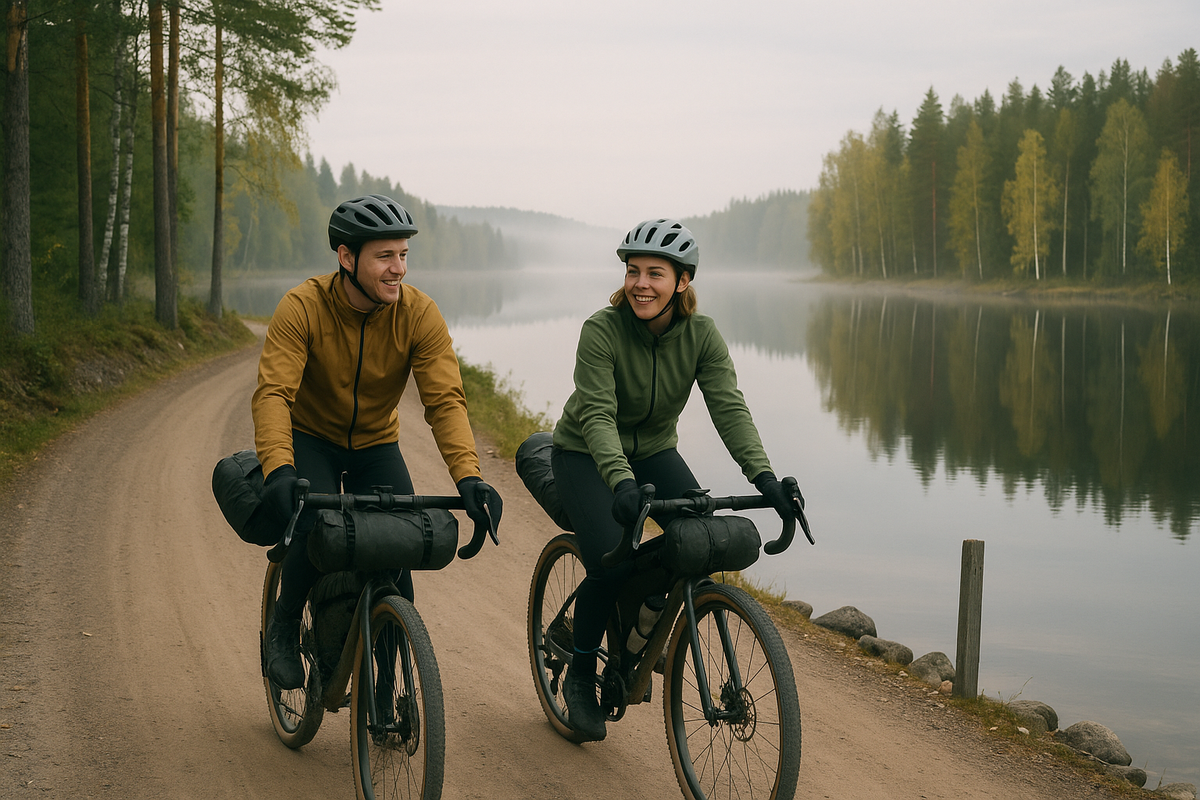
Scandinavia is a dream for many cyclists: Danish coastal bike paths, Norwegian mountain roads, Swedish forest trails and quiet Finnish lakes. But once you start planning, the main question appears: should you drag your own bike through airports and trains, or simply rent one locally? Logistics can feel intimidating: bike bags, special tickets, weight limits, reservations in train carriages. This article breaks both strategies down so you can choose what fits your route and budget.
✨ Why the choice is not as simple as it looks
The instinctive idea is “my own bike is always better – I know it and it’s perfectly set up”. On a trip, however, you also need to think about: how many days you will actually ride; how many flights and train legs you have; what kind of roads and surfaces you’ll be on; whether you travel with children, trailers or an e‑bike.
For a short Copenhagen city break with one gentle ride, bringing a bike on a plane is rarely worth the effort. For a three‑week tour through Norway or the Finnish lake district, your well‑tuned touring bike may be priceless.
✅ When it makes sense to bring your own bike
– You’re planning a long tour of 7–10+ days with regular riding.
– You travel in bikepacking/touring mode, with panniers and your own luggage setup.
– You need a specific type of bike: gravel, touring or a special geometry that’s hard to rent.
– You have sensitive knees/back and a random rental bike could ruin the trip.
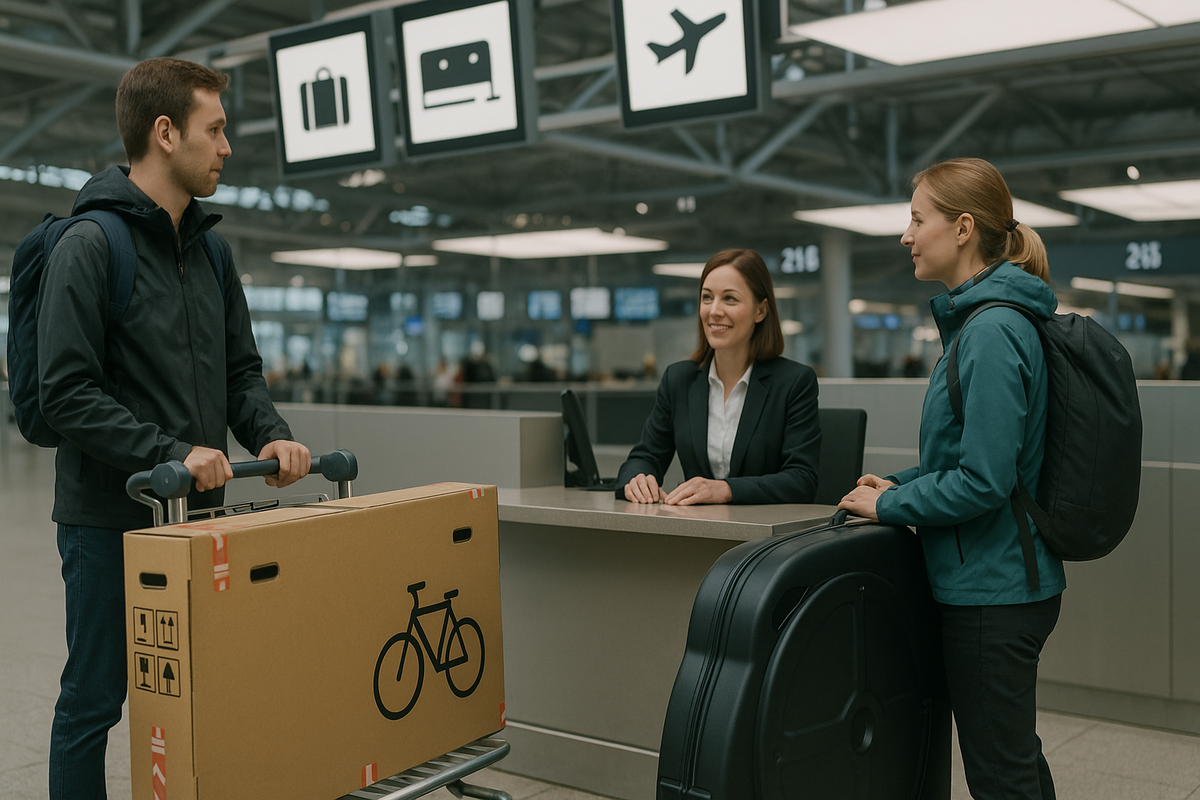
– You fly there and back with the same airline and can easily calculate the full transport cost.
In these scenarios, airline and rail surcharges often pay off in comfort and confidence: you know exactly how your bike brakes, shifts and fits you.
🚲 When it’s easier to rent locally
– You’re on a city holiday: a few days in a capital and maybe one or two day rides.
– Your route includes several flights and night trains, where a bike would be a constant hassle.
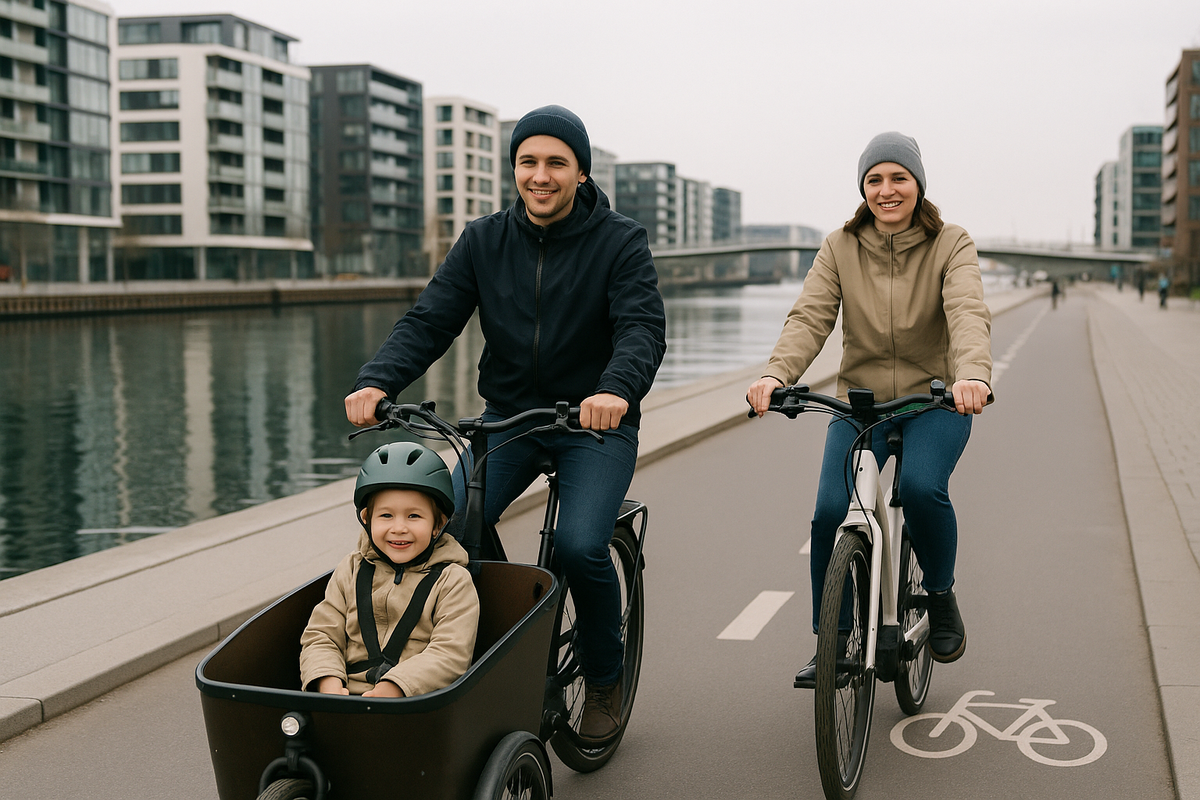
– You travel with family, and cycling is just one activity, not the main focus.
– You want to try different formats: city bike one day, e‑bike or mountain bike the next.
– You don’t want to buy a bike bag, dismantle your bike and worry about baggage handling.
Here city bike‑sharing, classic rental shops and hire in campsites or holiday parks usually make more sense.
📊 Taking a bike on trains and planes in Scandinavia
| Country | Trains | Urban transport | Flights (general rules) |
|---|---|---|---|
| Denmark |
|
|
|
| Sweden |
|
|
|
| Norway |
|
|
|
| Finland |
|
|
|
Important: company rules change. Always double‑check details with your specific train operator and airline before you travel.
💼 Transporting a bike vs renting: what does it cost?
Very roughly: a return bike fee on flights may equal 1–3 days of good bike hire; bike supplements on trains add another chunk to the budget; city rentals/sharing schemes in capitals often cost around 15–30 EUR per day for a regular bike and more for an e‑bike; weekly hire of a proper touring or gravel bike can easily reach 200–350 EUR or more. If you ride only 1–3 days per trip, renting almost always wins. For a 10–14‑day tour, especially on a special bike, transporting your own starts to make financial sense.
🧮 Mini‑calculator: is it cheaper to bring your own bike or rent?
🧮 Which option is cheaper for you?
Enter your own numbers (in euros or any currency) and compare the rough budget.
🗺️ Where to ride: quick overview by country
🇩🇰 Denmark – best discovered by bike. Wide cycle paths, gentle terrain, clear signposting. Coastal routes in Jutland along the North Sea, rolling countryside on Funen and Zealand, island‑hopping and easy day trips from Copenhagen combined with a sommerhus by the sea.
🇸🇪 Sweden – a little wilder as soon as you leave the big cities. West‑coast routes along the Kattegat, forest and lake circuits in the south and centre, and the chance to combine Stockholm with island rides in the archipelago.
🇳🇴 Norway – spectacular, hilly and physically tougher. Valley routes, old railway lines turned into bike paths, roads that snake along fjords. For a first visit it is better to pick moderate routes and watch the weather carefully.
🇫🇮 Finland – a land of lakes and forests made for quiet touring. Lake districts in central and eastern Finland, island loops near Turku, gravel roads where wider tyres make life easier and traffic is minimal.
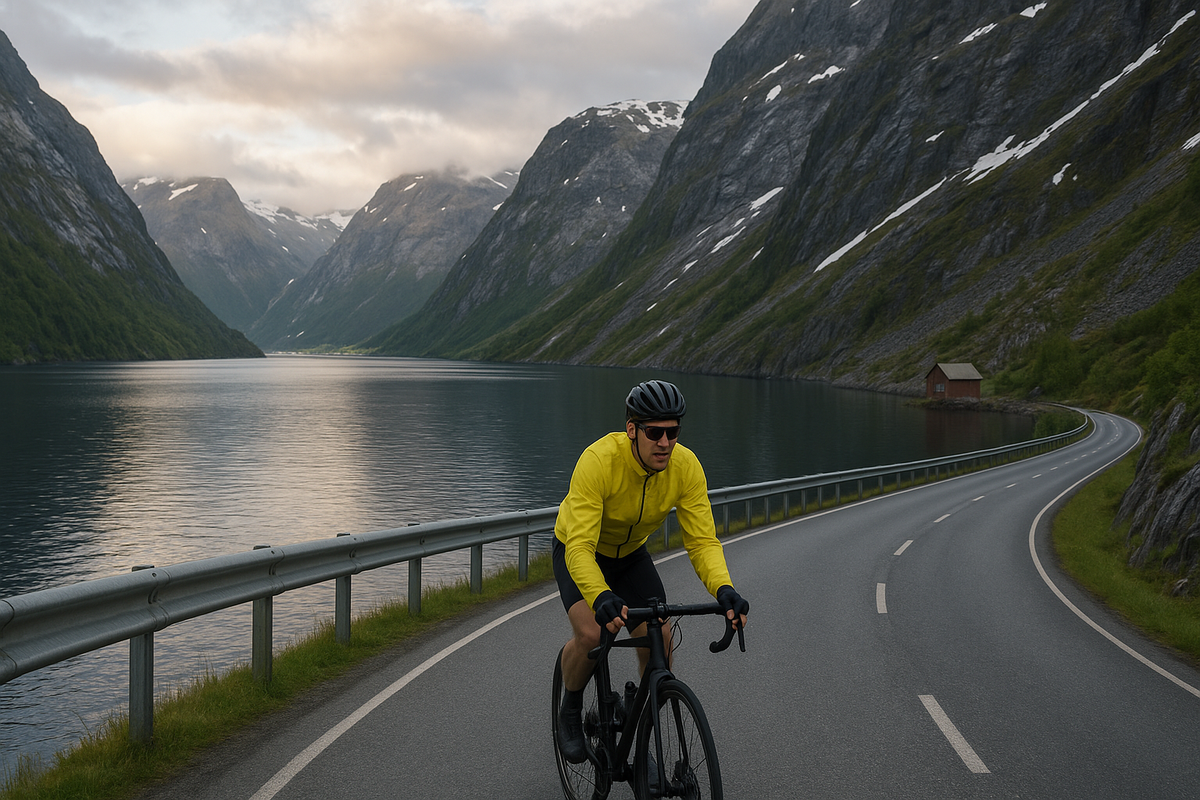
🦺 Safety tips for cycling in Scandinavia
– Lights are essential: white front light and red rear light with reflectors. Fines for riding without them are possible.
– A helmet is a must, and for children it is often a legal requirement.
– Weather changes fast: strong coastal winds in Denmark and Norway, cold rain in the mountains. Pack a windproof layer, gloves and dry spare clothes even in summer.
– Traffic is right‑hand, but cities have many separate cycle lanes. Follow markings, respect bike traffic lights and avoid riding on pavements.
– In cities with trams (Stockholm, Oslo, Helsinki) cross rails at a right angle so your tyres don’t drop into the groove.
– Do not skimp on your lock. Theft rates are lower than in Southern Europe but leaving a bike unlocked is still risky.
🧾 Checklist for a safe and comfortable cycling trip
🧾 Checklist: what a cyclist should not forget
- 🔦Front and rear lights plus spare batteries or a power bank.
- ⛑️Helmet and a thin hat or buff underneath for chilly days.
- 🧤Windproof jacket, gloves and warm socks – sea wind can be cold even in summer.
- 🔧Mini‑kit: pump, tyre levers, spare tube, multi‑tool, a few zip ties.
- 🔐Solid lock (U‑lock or heavy chain) and knowledge of where bike racks are.
- 📱Offline maps with cycling mode and saved routes.
- 🍫Water and quick snacks in case there are no shops for a while.
- 📑Insurance that covers cycling plus local emergency numbers.
🧭 Quick decision guide: bring or rent?
– If cycling is the core of your holiday and you ride almost every day with few flights, bringing your own bike often wins.
– If cycling is just one of many activities on a city‑based trip and you don’t want to think about baggage handlers, rely on rental and bike‑sharing.
– If your route is complex with multiple connections and stretches with poor bike infrastructure, transporting a bike can become an extra headache.
Run your numbers through the mini‑calculator, look at how many changes you have and how many days you’ll really be in the saddle – the “bring or rent” answer usually becomes obvious.
❓FAQ
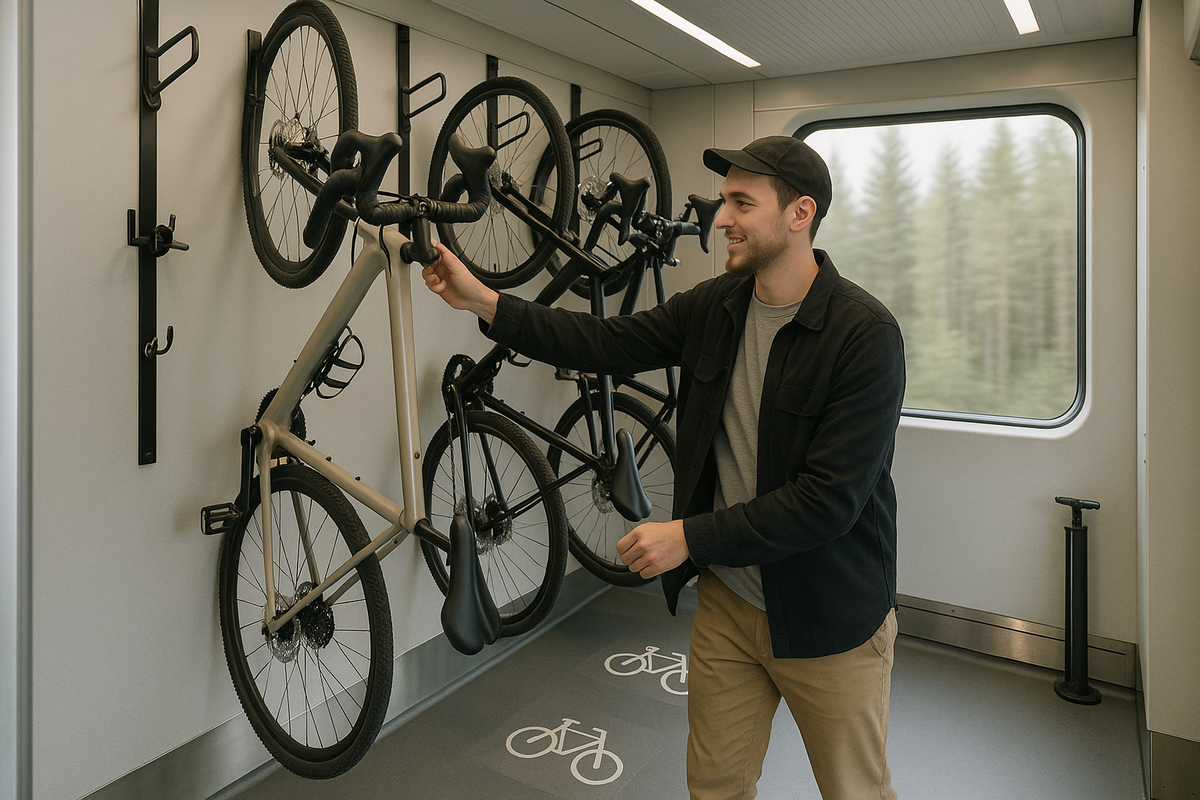
On many Scandinavian trains full‑size bikes are allowed, but only in marked carriages and with a valid bike ticket or reservation. A key exception is some Swedish long‑distance services, which accept only folding or bagged bikes. Always check rules for your exact route.
The main issue is the lithium battery. Many airlines refuse large batteries entirely or allow them only under strict conditions. For most leisure travellers it is simpler to rent an e‑bike at the destination instead of flying with their own.
Yes. In major cities and tourist areas this is common, but fleets are limited and in high season you should reserve in advance. In smaller towns, hire shops may only stock a handful of children’s sizes.
Build a “buffer day” into your tour so you can sit out bad weather in a campsite or small town. Light rain is manageable with proper clothing and a phone cover, but in strong coastal winds it is safer to pause and wait it out.
Ideally a U‑lock or heavy chain with a solid mechanism. Cable locks and thin chains are only for extra security, not the main defence. If you leave your bike near stations or in busy centres, it’s worth carrying something robust.
Technically yes – locals do it. But winter cycling needs different kit: studded tyres, warm mittens, face protection and serious windproof layers. If you’re new to it and on your first Scandinavian trip, keep to short city rides in good weather or plan your full cycling tour for spring or summer.

0 comments
Log in to leave a comment