


💰 How much does a week in Scandinavia’s capitals cost: Copenhagen vs Oslo vs Stockholm vs Helsinki
Imagine this: you open forums and see the same phrases again and again — “Oslo rinsed me”, “Copenhagen turned out more expensive than London”, “Stockholm isn’t that scary”, “Helsinki felt the calmest on the budget”. And yet there are very few concrete numbers: some people stay in hostels and eat from supermarkets, others order €18 cocktails and complain that “Scandinavia is only for millionaires”.
The goal of this article is to lay out, in a structured way, roughly what a week in each of the four capitals costs if you don’t want to live in a dorm — but you’re also not going for luxury hotels. We’ll look at three scenarios (solo traveller, couple, and a family with a child), break down what drives the total, and show where you can genuinely save without turning the trip into hardship.
📌 What we mean by “a week in a capital”
So we’re speaking the same language, let’s agree on a baseline. By “a week” we mean 7 nights and 6–7 full days in one city, with a couple of light trips to nearby areas.
Included in the estimate:
— mid-range accommodation (simple apartments or a 3–4* hotel; not a hostel, not luxury);
— normal food: some meals in cafés/bistros, some via supermarkets and a kitchen;
— public transport, plus occasional taxi rides for a late arrival or an early flight;
— 3–5 museums/attractions;
— a few evenings in bars or dinners out (without nightly Michelin-star tastings).
Flights and major shopping purchases are not included — those are too individual.
In general, the price order across the four capitals tends to look like this: Oslo is the most expensive, Copenhagen slightly cheaper, then Stockholm and Helsinki. But the spread is not dramatic: it’s usually tens of percent, not “twice as much”.
📊 Table of indicative weekly budgets (excluding flights)
These are very rough ranges for a “normal, no-frills” trip. Prices are in euros, for 7 nights, excluding flights and big purchases. Use them to compare scale, not to plan to the cent.
| City | Solo, one week | Couple, one week | Family (2 adults + 1–2 children), one week |
|---|---|---|---|
| Copenhagen | About €700–€1,100 | About €1,400–€2,100 | About €1,900–€2,800 |
| Oslo | About €750–€1,200 | About €1,500–€2,300 | About €2,000–€3,100 |
| Stockholm | About €600–€950 | About €1,300–€1,900 | About €1,800–€2,600 |
| Helsinki | About €580–€900 | About €1,200–€1,800 | About €1,700–€2,500 |
If we simplify, by overall price level the capitals usually line up like this: Oslo is the most expensive, then a slightly cheaper Copenhagen, followed by Stockholm and Helsinki. But it’s not “multiples”: you feel it more in restaurants and bars than in basic transport or a supermarket basket.
🏨 What the total is made of: accommodation, food, transport, things to do
Accommodation is the main chunk of the budget. On average:
— in Copenhagen and Oslo, a decent hotel or apartment for two costs more than in Stockholm and Helsinki;
— apartments with a kitchen are almost always better value if you’re willing to cook at least some meals;
— hostels with private rooms can be a compromise for solo travellers and couples who want comfort but not extra square metres.
Food and drink are the second major line item. Broadly:
— if you have breakfast, lunch and dinner in cafés/restaurants every day, your budget can rocket;
— if you shift part of your meals to supermarkets and cooking, the spend drops by tens of percent;
— in Oslo and Copenhagen, alcohol and restaurants are noticeably more expensive than in Stockholm and Helsinki (though none of these cities are “cheap”).
Transport inside the city is relatively predictable: all four have strong public transport, day/week passes, and clear apps. Taxis and car sharing are usually a “luxury”, not a default option.
Museums and entertainment depend on your interests: a pricey fjord/sea safari, a concert, a design museum, a harbour cruise. The key is to draft a “must-do” list in advance instead of grabbing everything impulsively on the spot.

📊 Typical budget split by category
You can shift these shares. If you stay in a hostel and cook, accommodation and food take less — but you may spend more on bars, concerts and activities. If you prefer a comfortable central hotel and restaurants, accommodation and food crowd out almost everything else.
🏙 Differences between capitals: where money “leaks” faster
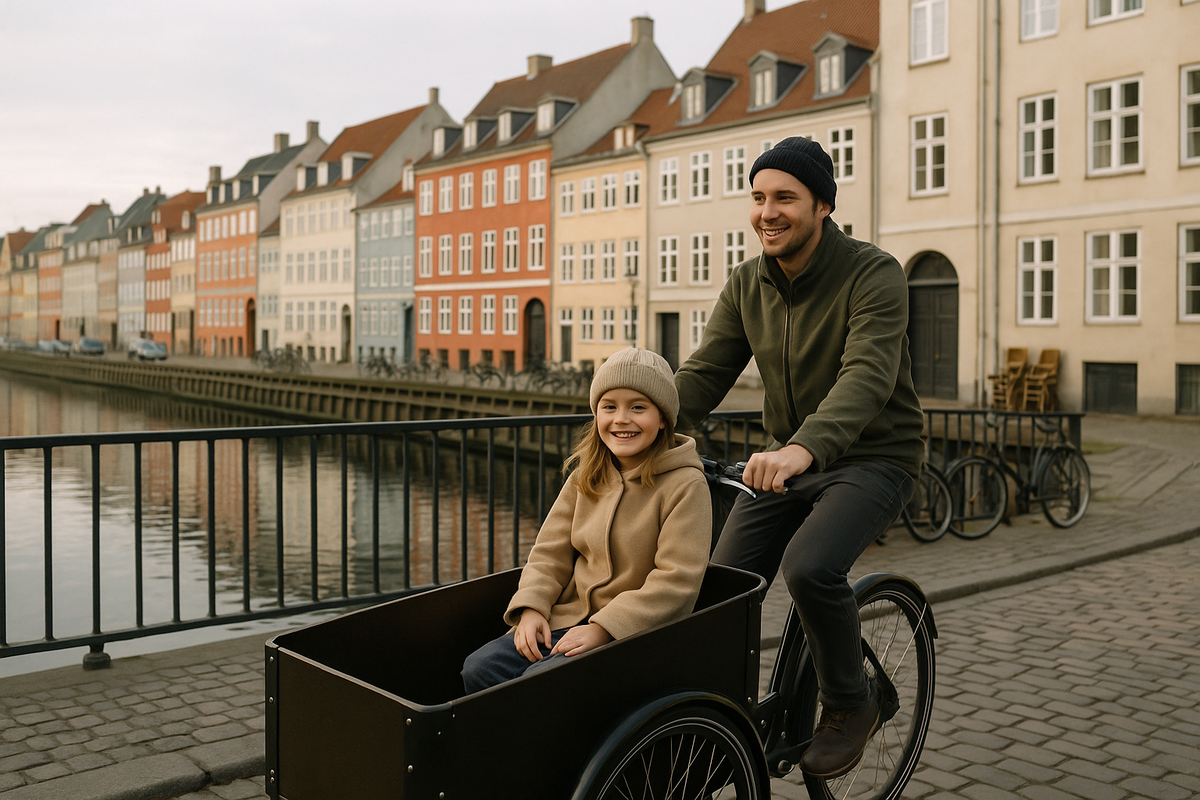
Copenhagen. Expensive accommodation and high prices in cafés and bars, especially in trendy areas. At the same time, it’s an incredibly walkable, bike-friendly city: you can save on transport and choose neighbourhoods further out if a 10–15 minute metro or S-train ride doesn’t bother you.
Oslo. One of the leaders for restaurant, alcohol and entertainment costs. Still, there are real ways to save: apartments with a kitchen, simple set lunch deals, free nature all around, and a city that has been investing heavily in waterfront public spaces.
Stockholm. On average, a bit cheaper than Copenhagen and Oslo. Plenty of mid-range apartments and hotels, a wide café scene from budget to trendy. Some museums have free admission or free days, which helps balance the budget.
Helsinki. Often seen as Stockholm’s slightly calmer-on-prices sibling. There’s a strong culture of affordable lunch buffets and bistros, plus many public saunas at very reasonable prices. If you want, you can build a fairly economical itinerary without missing out on interesting experiences.
🧮 Interactive calculator: a quick one-week estimate
This doesn’t replace detailed planning, but it helps you get the scale for your scenario.
This calculator shows the order of magnitude. If you love restaurants and bars, feel free to add another 20–30% to the “extra comfort” range. If you’re good at eating from supermarkets and only do the most important museums, you’ll land closer to the bottom end.
🧭 How the budget changes for solo travellers, couples and families
A solo traveller can save quite a lot on accommodation and food if they’re fine with a hostel, simple rooms and basic meals. But they also pay for every museum ticket, tour and transport pass alone.
A couple wins by splitting the accommodation cost: a hotel room doesn’t cost twice as much as one hostel bed, and comfort is usually far higher. Food and entertainment costs rise, but not in direct proportion to the number of people.
A family with children almost always benefits from renting an apartment with a kitchen. Making breakfast and dinner at home and eating lunch in the city cuts the budget significantly. Plus there are family tickets and child discounts for transport and museums in all four capitals.
💡 Where you can genuinely save — and where “saving” becomes stress
Reasonable savings:
— an apartment with a kitchen instead of three restaurant meals a day;
— making lunch your main meal (set lunches and “dish of the day” deals are often much cheaper than dinner);
— buying a weekly transport pass if you’ll be travelling a lot;
— choosing neighbourhoods that aren’t right in the centre but have easy transport links.
“Saving” that often backfires:
— choosing an area too far from transport “for the cheap flat”, then losing time and money every day on commuting;
— trying to live on sandwiches in a city with great food — you’ll still break, just later and more expensively;
— skipping museums/activities with the plan to “just walk around” in winter, when it’s windy and gets dark early.
A very common tourist scenario: you planned €1,500 for a couple for the week “with a buffer”, but booked a hotel right in the centre, ate out for dinner every day, took taxis instead of the metro a few times — and ended up closer to €2,000–€2,200. Not because you “picked the wrong country”, but because you didn’t decide in advance what you’re willing to save on — and what you’re not.

📋 Budget checklist: what to price up before you buy tickets
The more carefully you think about the structure of your spending before booking, the fewer surprises you’ll get on the ground.
- ✓What accommodation format you want — and what a week costs for that exact level (not “the city average”).
- ✓How many meals per day you plan to eat out — and whether you’re willing to cook at least breakfast/dinner.
- ✓Whether you have any “expensive” activities: sea safari, food-focused dinners, concerts, guided tours.
- ✓Whether you truly need the city centre, or you can focus on a transport-connected neighbourhood and save on accommodation.
- ✓What a weekly transport pass costs — and whether it’s worth it for your plans.
- ✓Whether the total fits your comfortable budget, with a buffer for surprises.
❓FAQ
Oslo is consistently among Europe’s most expensive capitals for restaurants, alcohol and services. The gap versus Copenhagen isn’t always dramatic, but the bill in a bar or for dinner often feels higher. Basic items like public transport or a supermarket basket differ by tens of percent, not multiples.
A fairer phrasing is “slightly gentler on the wallet”. Mid-range accommodation and everyday café food in Stockholm and Helsinki often cost less than in Oslo and Copenhagen. But if you go to trendy restaurants daily and book pricey excursions, the final total won’t be “low” anyway.
For a mid-range comfort level (cafés, museums, a couple of drinks in the evening), plan roughly €60–€90 per person per day. You can hit €40–€50 if you rely heavily on supermarkets and choose cheaper activities — or easily exceed €120–€150 if you often go to restaurants and bars.
First: accommodation “any price, as long as it’s central” in high season. Second: daily restaurants and bar alcohol. Third: spontaneous expensive activities (cruises, tours, shows) that weren’t in the plan. If you control these three, the rest is much more predictable.
If you’re planning 2–3 museum-heavy days and will use public transport actively, a city card often breaks even or saves money. If you visit one museum a day and walk a lot, it’s usually cheaper to pay for tickets and transport separately.
Only with a very budget approach: the cheapest hostel or very modest apartment, minimal restaurants, cooking at home, and skipping expensive tours and activities. For a comfortable trip without constant self-discipline, a couple’s realistic total often starts around €1,300–€1,500.
In accommodation and food, there’s little difference: you’re still in expensive regions. But a combined route adds transfer costs. Usually, “one base city + a couple of day trips” is noticeably cheaper than trying to fit two capitals into one week with flights or long trains.
It depends on your style, but Stockholm and Helsinki are often mentioned: it’s easier there to find affordable bistros and lunch buffets, good apartments at less painful prices, and plenty of free/low-cost places to walk and relax. Still, “cheap” in Scandinavia will be more expensive than in many other parts of Europe.
If the goal is just to “tick a box”, you can choose whichever city has cheaper flights and accommodation on your dates. But it’s better to start from your interests: Copenhagen is design and cosy neighbourhoods; Oslo is sea and nature nearby; Stockholm is an island city; Helsinki is sauna culture and a calmer vibe. Price matters — it just shouldn’t be the only criterion.
A good rule is to add 15–25% on top of your calculated budget. This covers surprises: a taxi instead of a night bus, a spontaneous concert, a rainy day when you choose another museum over a walk, or a restaurant that’s too cosy to skip. That buffer keeps the trip from turning into constant price-checking.

0 comments
Log in to leave a comment