


🧖♀️ Steam, Waves and Snow: How Not to Get Lost in Scandinavian Saunas and Sea Baths
Saunas and sea bathing in Scandinavia are as much a part of daily life as cafés or gyms. But for many visitors it’s a total mystery: where do people wear swimsuits and where not, how to behave, how much to pay and will cold water turn into an extreme challenge. In this article we’ll explain how sauna culture differs in Denmark, Norway, Sweden and Finland, which formats are best for beginners, how etiquette works and how much time and money to plan. The goal is simple: after reading this, you’ll calmly add a sauna and sea bath to your itinerary and feel confident, not “out of place among locals”.
🌍 Sauna Culture in Finland, Norway, Sweden and Denmark
Understanding the cultural context immediately removes part of the fear: you stop seeing a “mysterious ritual” and see a normal part of local life.
🇫🇮 Finland: Sauna as Everyday Necessity
- You’ll find saunas in homes, stairwells, hotels, offices and on city beaches — it’s basic infrastructure, not a luxury.
- Temperatures are often high, the heat is dry, pouring water on stones is a small ritual but not a tourist show.
- In traditional public saunas the format is often without swimwear and with separate men’s/women’s hours.
- In modern complexes and at hotels, swimsuits are typically mandatory — rules are always posted on websites and at the entrance.
- Etiquette is strict: shower before and after, silence or very quiet conversations, no photos or “content creation” in the wet zone.
🇳🇴 Norway: Sauna by the Fjord
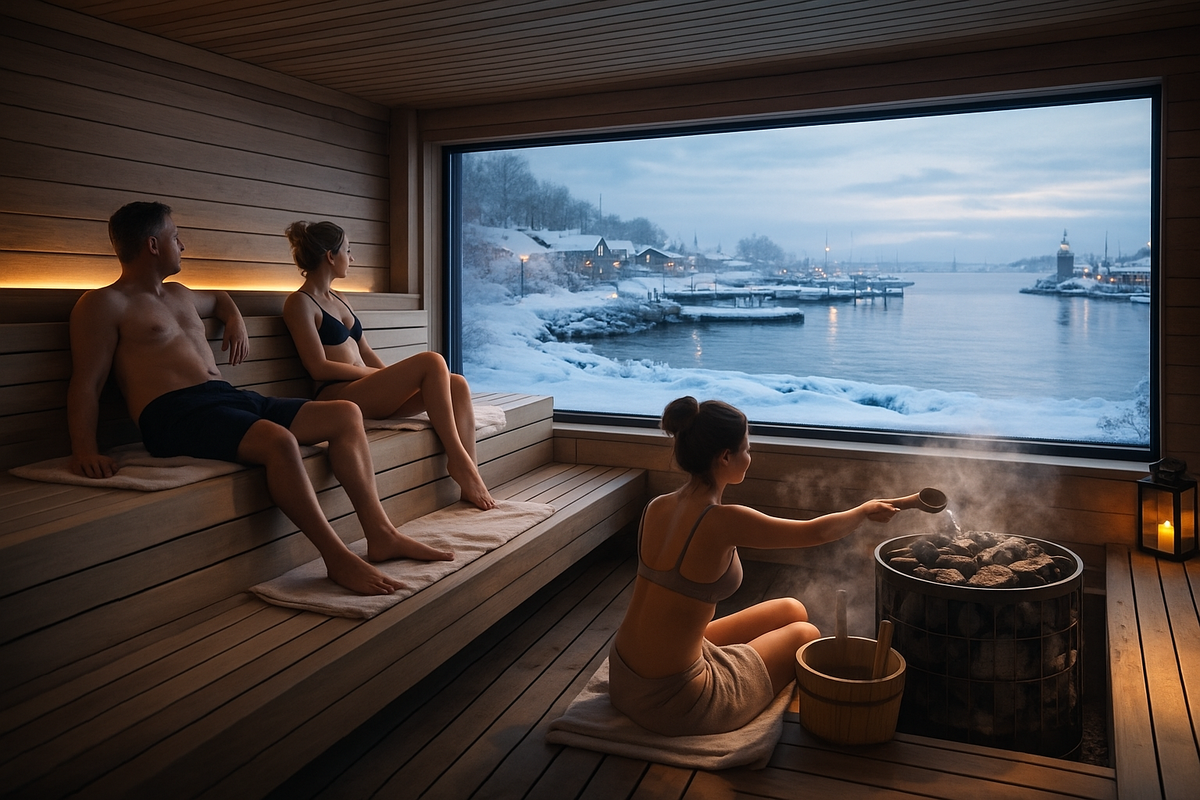
- The classic scenario is “sauna + fjord”: you heat up, step outside, take two steps — and you’re in cold water. ❄️
- Floating saunas and waterfront complexes are normal city services, not exotic attractions.
- Atmosphere is often more social: groups of friends, private bookings, more laughter and chatter than in Finland.
- Clothing format depends on the venue: some require swimwear, others allow traditional nude sessions — always read the rules.
🇸🇪 Sweden: Tradition + Design
- Sweden combines old bathhouses and modern design saunas with glass facades and water views.
- There are family and club formats, separate and mixed hours — plenty of options.
- In city locations swimwear is often mandatory; classic “no-swimsuit” hours are clearly marked.
- A big part of the experience is architecture, views, calm and a “wellness” focus, not just sauna temperature.
🇩🇰 Denmark: Sea Baths and Winter Swimming Clubs
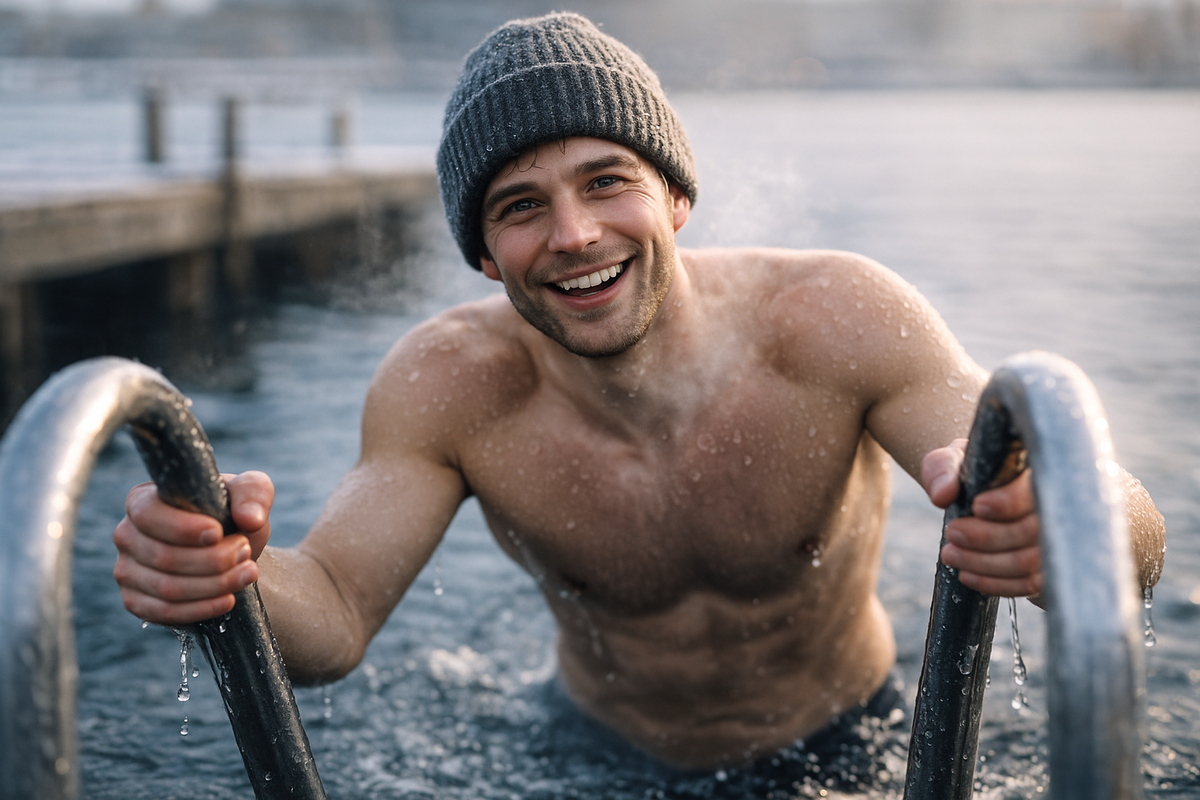
- Around Copenhagen and other cities you find piers, bathing circles and structures in the water with ladders straight into the sea. 🌊
- In winter, winter swimming culture is strong: locals go into the water daily, often via membership-based clubs.
- More and more venues operate “public ticket” formats — perfect entry points for tourists.
- Atmosphere is less ritualistic and more social: warm up, step onto a terrace, chat about the day and watch the city lights.
📦 Sauna and Sea Bath Formats: What to Choose as a Beginner
There are many formats, but to choose you only really need to understand a few things: level of privacy, sea/fjord access, price and how strict the rules are.
Main Formats
The table below helps you see where you’ll feel most comfortable on your first visit.
| 📦Format | 👤For whom | ✅Pros | ⚠️Cons | 📅Booking | 💰Price range |
|---|---|---|---|---|---|
| 🏛️Public city sauna | Beginners, solo travellers, locals | Authentic, affordable, clear rules | Can be crowded, stricter etiquette, fixed hours | Recommended at peak times and weekends | Low–mid range |
| 🏨Hotel sauna | Those who want a “low-stress” experience | Familiar format, often included with the room | Less authentic, not always direct access to sea/fjord | Usually not required, sometimes time slots | Mid range, sometimes “free” for guests |
| 🌊Sea bath | Water lovers, “urban swimmers” | Views of sea/harbour, easy access, very urban | Windy, exposed, sometimes club-based access | Often needed in winter and evenings | From budget to premium |
| 🛶Floating sauna | Groups of friends, “wow-effect” seekers | Big emotions, direct dip into fjord or sea | Booking required, weather dependent, higher cost | Almost always mandatory | Mid–high range |
| 🔒Private sauna rental | Families, shy beginners, groups | Full privacy, you set your own comfort rules | More expensive per person, needs a group | Always by advance booking | High, but better value for 4–6 people |
📍 Four Capitals: Where to Bathe and Warm Up as a Visitor
You don’t need a list of all venues — you need to understand what typical scenarios look like in each city and what can fit into your own route.
🇩🇰 Copenhagen
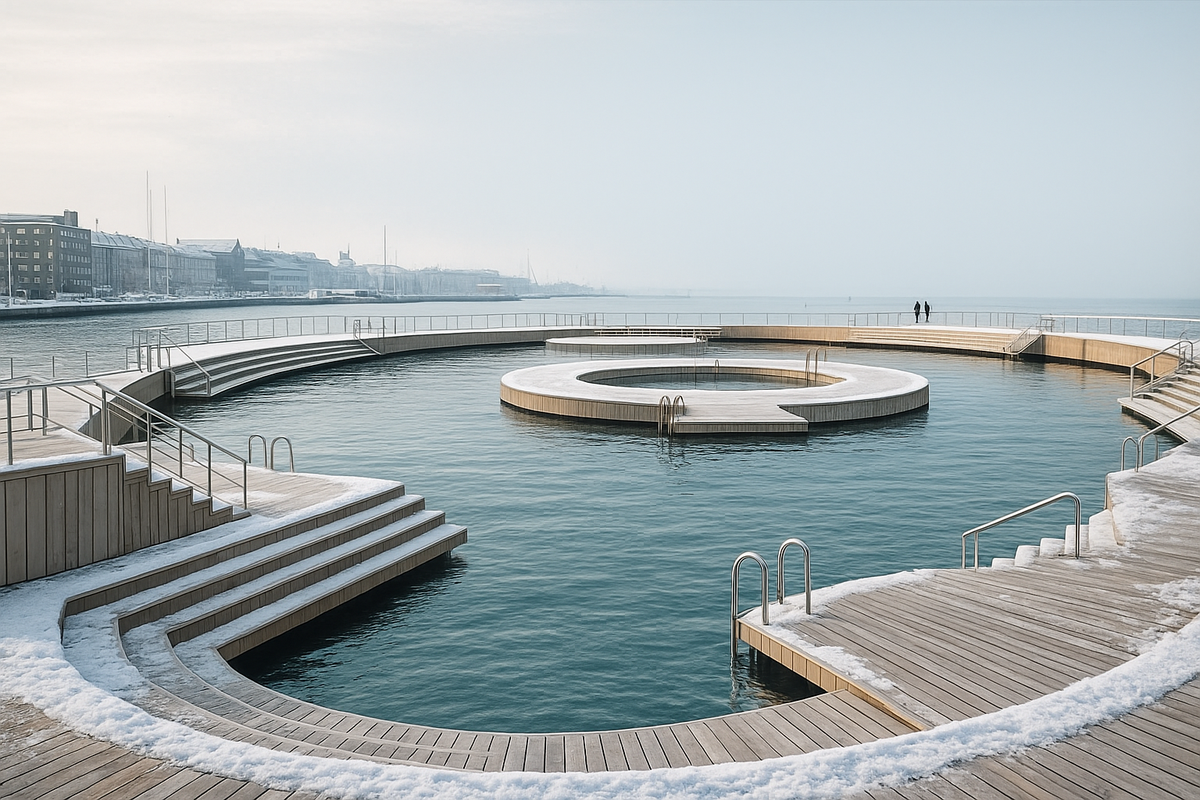
- The city is tightly connected to water: baths and piers are right in central districts.
- In winter, winter swimming clubs and “sauna + plunge” complexes are active; some offer single-day tickets.
- A common scenario: walk around Nyhavn and the city centre → finish the day in a sea bath with harbour views.
🇳🇴 Oslo
- The fjord starts right from the centre, so floating and waterfront saunas are very easy logistically.
- For popular floating saunas, evening winter slots usually need advance booking.
- A handy scenario: spend the day at museums on the Bygdøy peninsula → evening sauna session by the fjord.
🇸🇪 Stockholm
- The city stands on islands, so “water views” are almost a given.
- You can choose a city bath close to the centre or spend more time going out into the archipelago.
- For short trips, a city bath is optimal so you don’t overload your logistics.
🇫🇮 Helsinki
- Perfect place to realise that for locals the sauna is “like a shower, just longer and nicer”.
- You’ll find everything from very simple public saunas to design complexes on the waterfront with restaurants.
- For travellers there are clear rules, English signs and staff ready to explain things.
| 🏙️City | 🏗️Main formats | 💸Approx. prices | 📲Booking | 🕒Seasonality |
|---|---|---|---|---|
| 🇩🇰Copenhagen | Sea baths, hotel saunas, winter swimming clubs | Mid range, premium for top design waterfront spots | Recommended in winter and evenings | Peak popularity in winter, more “beach style” in summer |
| 🇳🇴Oslo | Floating saunas, public saunas by the fjord | Mid–high range | Almost always for floating saunas | Very busy in winter, especially evenings and weekends |
| 🇸🇪Stockholm | City baths, spa saunas, archipelago escapes | Mid range, spa complexes more expensive | Good idea for Friday–Sunday | Winter focus on saunas, summer on swimming and views |
| 🇫🇮Helsinki | Classic public saunas and modern waterfront saunas | From budget to mid range, premium for iconic venues | Needed for popular evening slots | Winter means ice dips and short days, summer is milder in contrast |
📏 Etiquette, Safety and What to Bring
There’s nothing mystical here. Just a set of simple rules that make the experience comfortable for everyone — both you and the people around you.
Clothing, Silence, Phones
- Always check in advance whether swimwear is required: you’ll see it on the website, signs, or you can simply ask the staff.
- On wooden benches people always sit or lie on a towel, not directly on the wood.
- In quiet Finnish and some Norwegian saunas, silence is valued; in parts of Denmark and Sweden, the mood is more social but still without shouting or “party mode”.
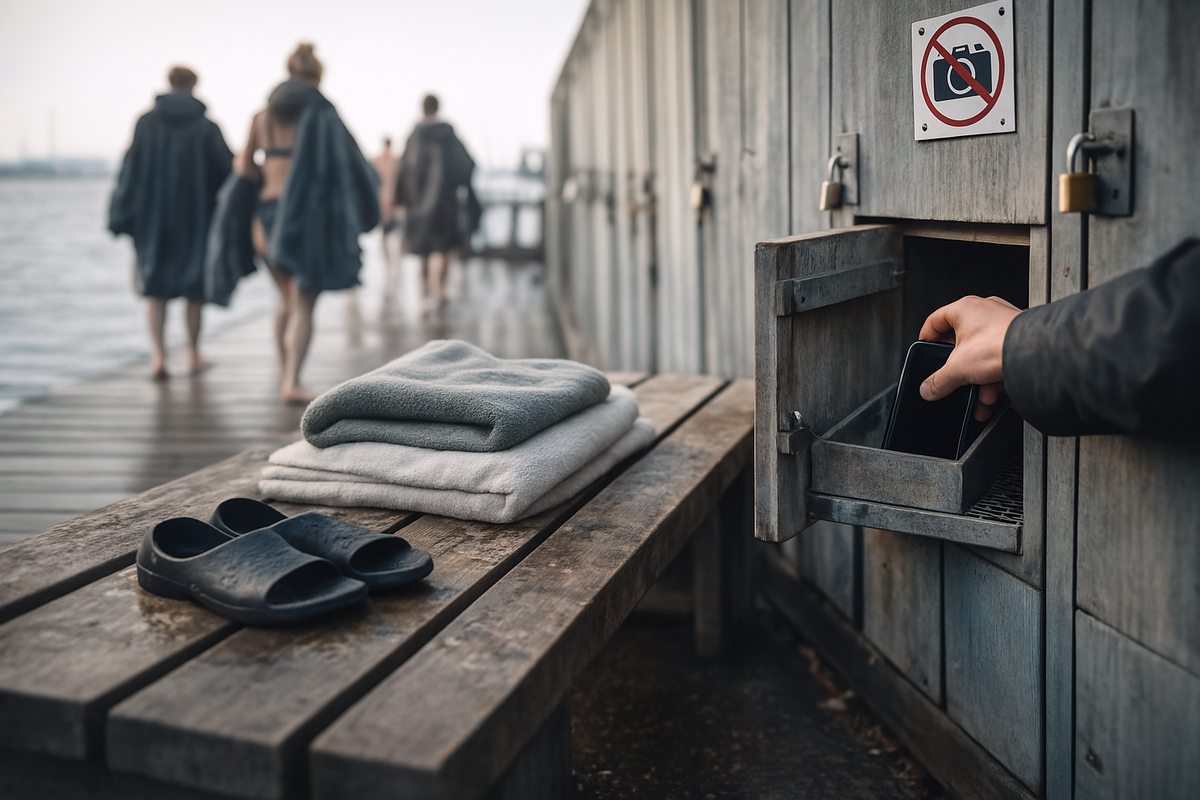
- Phones are usually banned in changing rooms and wet areas, and photographing people without their consent is a no-go.
Safety and How You Feel
- Don’t go to a sauna completely hungry or straight after a heavy meal — your body will handle the load worse.
- Take short sessions in the heat and short dips in cold water, especially the first few times.
- Dizziness, sudden weakness, nausea or chills are signals to stop, go out, get dressed and drink water.
What to Bring
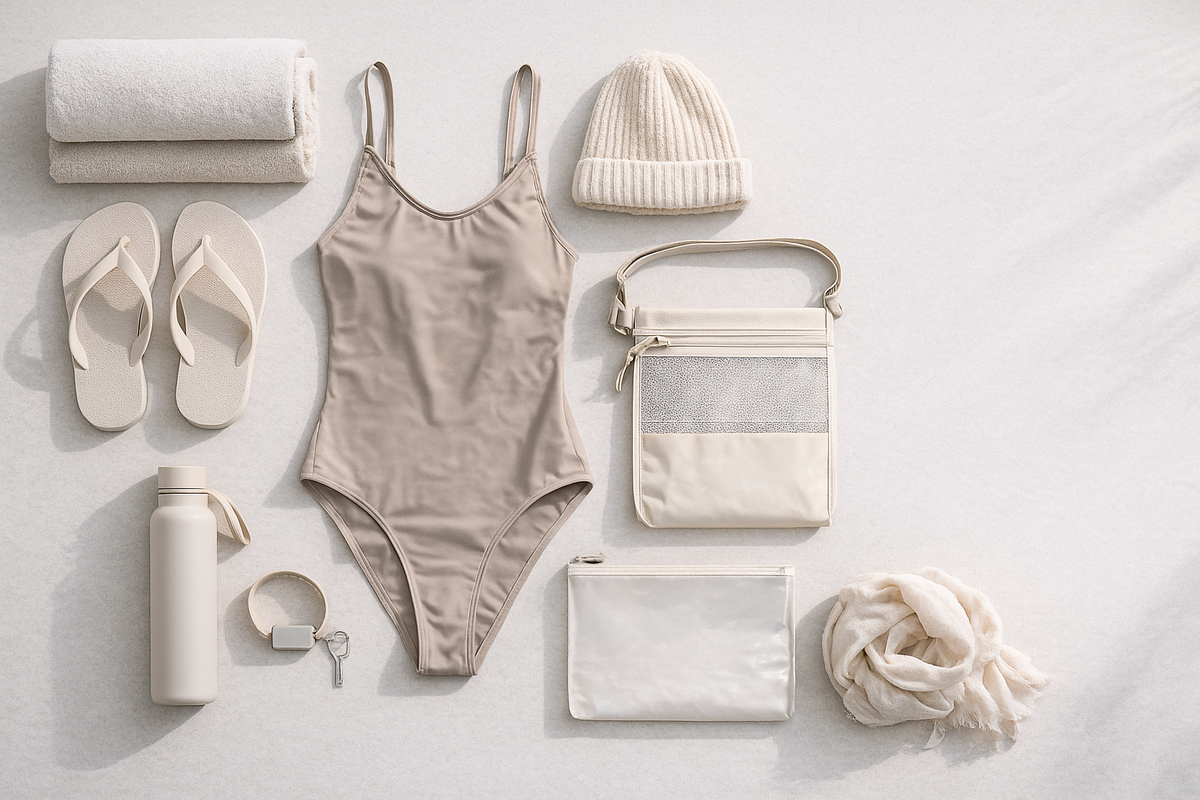
- swimsuit (if the format requires or you’re unsure);
- 1–2 towels;
- flip-flops;
- a bottle of water;
- warm hat, scarf and coat for going outside in winter;
- a bag for wet clothes.
🧮 Mini Calculator for Your Sauna Day Budget
To estimate costs, it’s handy to multiply the number of people and sessions by an average ticket price.
Estimate your total budget for saunas and sea baths for your group.
✅ Short Sauna Day Checklist
- Decide on the format: public, hotel, sea bath, floating or private sauna.
- Check the rules for swimwear and separate/mixed hours in advance.
- Book time slots if needed, especially in winter and evenings.
- Allow at least 2 hours and don’t squeeze the visit between two heavy sightseeing blocks.
- Pack your bag: towels, flip-flops, swimsuit, water, warm outerwear.
- Skip alcohol before and during your sauna and bathing session.
- Shower before and after, keep everything clean and always use a towel on the bench.
- Don’t photograph other guests and keep your phone out of changing rooms and the wet zone.
- Listen to your body: leaving the sauna earlier and taking breaks is normal.
- Match the format to your personality: if you’re shy, start with hotel or private saunas; if you love local culture, choose public city baths with clear rules and English signage.
❓FAQ
There is no single rule: in some places swimwear is mandatory, in others it’s banned, so always check the rules of the specific venue.
Yes, if you’re generally healthy and treat it as a calm experience with short sessions, not an extreme challenge.
Around 2–3 hours is usually enough to warm up, dip in cold water, rest and move on without rushing.
A universal set is a swimsuit, two towels, flip-flops, a bottle of water and warm clothes for going back outside.
Most beginners feel comfortable starting in Copenhagen or Stockholm, where there are many clear, tourist-friendly city formats with English information and straightforward rules.

0 comments
Log in to leave a comment