


🦟 Mosquitoes and Midges in Lapland: How to Plan a Summer Trip and Not Regret It
Lapland in summer means long daylight hours, lakes, tundra ridges and the feeling of being at the edge of the world 🌄. And at the same time – a very down-to-earth reality of mosquitoes, midges and biting flies. Because of horror stories in blogs and forums, many people seriously consider giving up their dream of a northern summer.
The goal of this guide is not to scare you, but to give you a manageable picture: when and where insects are at their worst, which routes and terrain types to choose, how to dress and where to stay so that your trip to Lapland in Norway, Sweden and Finland is a joy, not a torture. After reading, you’ll have a set of clear rules, a gear checklist and an understanding of how to turn “paradise and hell” into a beautiful, well-planned holiday.
🗓️ When Are Mosquitoes Worst in Lapland: Months, Regions, Weather
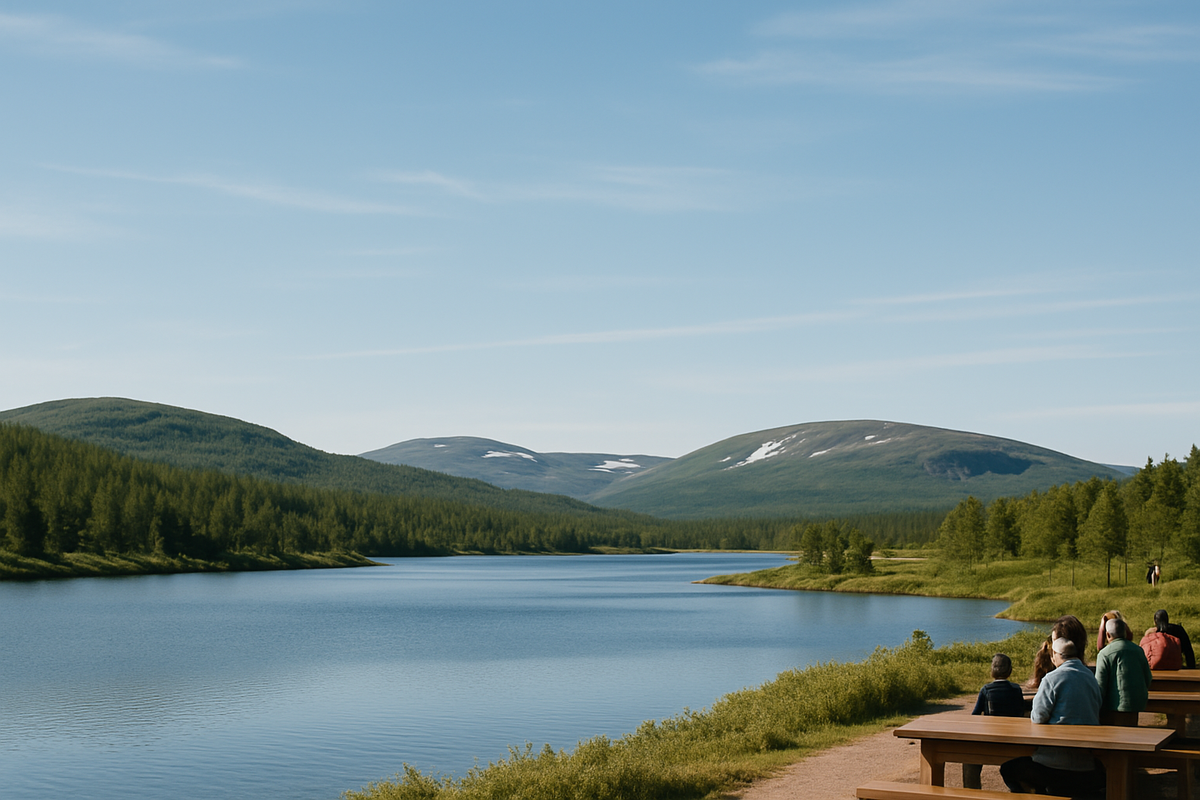
The summer insect season in Lapland depends on two things: snowmelt and standing water + warm, windless weather. Conditions change from year to year, but the overall logic is stable.
🕒 By month: overall dynamics
- Early June. In lowlands and wetlands the larvae are already emerging, but in a cold year the start shifts to mid-month.
- Late June – late July. The classic peak season: lots of moisture after snowmelt, warm air, often calm evenings – perfect for insects.
- August. A lot depends on altitude and the year: in forested valleys and near water there are still plenty of mosquitoes, but activity drops with the first chilly nights.
- September. The first frosts and night temperatures around +0/+3 °C practically “switch off” the problem; only occasional insects remain on warm days.
🌍 By zone: where it’s worse and where it’s easier
- Forest valleys, bogs, shores of calm lakes and rivers. Warm, humid and almost windless – exactly what mosquitoes and midges love. Here the peak feels strongest.
- Open ridges, plateaus above the tree line. Wind 💨 and lack of standing water reduce insect density dramatically; there are still mosquitoes, but not in a solid wall.
- Sea coast and fjords. Sea breeze and cooler air often make the situation much easier than inland.
📊 Table: seasonal changes in insect activity
| 🗓️ Period | 🦟 Activity | 📌 Comment |
|---|---|---|
| 🌱 Early June | Low–medium | Cold nights, mosquitoes are just emerging; can be noticeable in warm lowlands. |
| 🌿 Late June | Medium–high | After snowmelt and rain, bogs and forested valleys start to “boil” with insects. |
| ☀️ July | High–“hellish” | Peak season in most areas; in calm warm weather it can be very tough without wind. |
| 🌤️ August | Medium | Still plenty of insects in lowlands; on ridges and coasts it’s much easier, especially after cooler nights. |
| 🍂 September | Low | With first frosts the problem almost disappears; only a few insects remain on warm days. |
💡 Practical takeaway. If you’re very anxious about mosquitoes, aim for early June, when it’s still cool and greenery has only started, or late August – September, when it’s still green but insects are declining. And always combine dates with smart terrain selection – more on that next.
🏞️ How Route Choice Affects Mosquito Levels: Bogs, Forest, Ridges
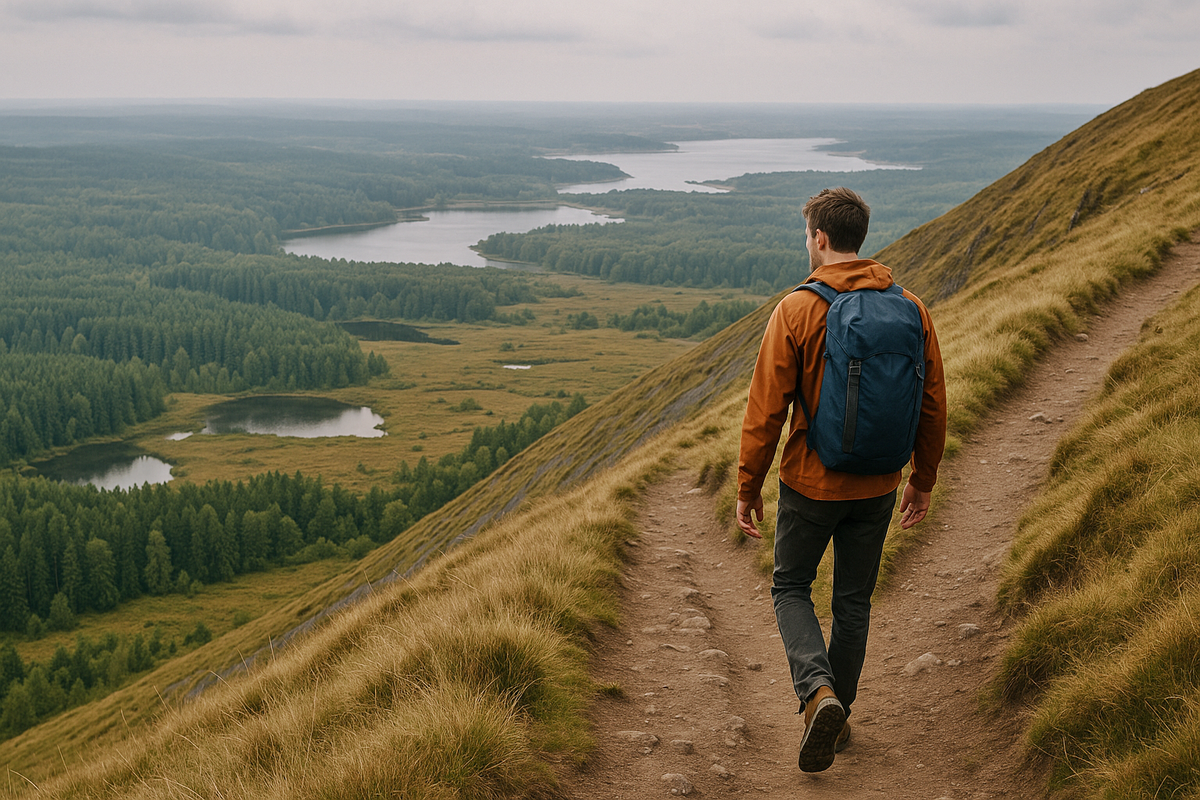
Even at peak season, whether you feel “mosquito hell” or “tolerable” depends a lot on where exactly you hike and camp. A route through a wet forest valley and a hike along a windy ridge in the same dates are two different worlds.
🌲 Places where insects are much worse
- Bogs and marshy plateaus. Lots of standing water = perfect incubator. Any trails described as boggy, marsh, wet area are a clear signal that it will be hard without protection.
- Forest valleys with lakes and calm rivers. Shade, humidity and lack of wind – a classic scenario for dense clouds of midges, especially in the evening.
- Spots by still water where you stand or sit for long periods. Evening fishing 🎣 in a low, calm bay is one of the most “conflict-prone” situations from a mosquito perspective.
⛰️ Places where it’s easier to breathe
- Open ridges and plateaus above the tree line. Wind and absence of bogs make conditions much more comfortable; mosquitoes are present but not hanging in a thick cloud.
- Fjords and open sea coasts. Sea breeze and cooler air significantly reduce insect density; temperatures can feel cooler overall.
- Wind-exposed saddles and “bare” summits. Great spots for daytime breaks: panoramic views and a rest without constant swatting.
🗺️ How to see a “boggy route” on the map
Look for:
- lots of small blue spots (tiny lakes, ponds) clustered in one area;
- marsh symbols and dark green forested valleys;
- minimal elevation gain and lack of long open ridgelines;
- warning words in route descriptions: wet, marshy, boardwalks over bogs, etc.
📊 Table: terrain type vs mosquito risk
| 🏞️ Terrain type | 🦟 Risk | 🚶 Route comfort | 👍 Best for |
|---|---|---|---|
| 🪵 Forest valley by lakes/rivers | High | Gentle terrain but many insects in warm weather | Those who aren’t afraid of bugs and enjoy forest atmosphere |
| 🪧 Bogs and marshy trails | Very high | Challenging footing, wet, requires good boots | Experienced hikers with solid insect protection |
| ⛰️ Open ridges and plateaus | Low–medium | More wind, better views, can be gusty | Those who fear mosquitoes and are ready for wind and cooler air |
| 🌊 Fjord and sea coasts | Low–medium | Comfortable in terms of insects, but cooler and more variable weather | Families, road trips, mixed itineraries |
| 🗻 Areas above the tree line | Medium | Clear trails, open terrain, occasional snowfields | Panorama lovers and those into moderate trekking |
💡 Practical takeaway. If insects are your main worry, pick routes focused on ridges, plateaus and above-tree-line sections, and camp away from bogs and small, still lakes.
🧳 What to Wear and Pack So You Don’t Get Eaten Alive
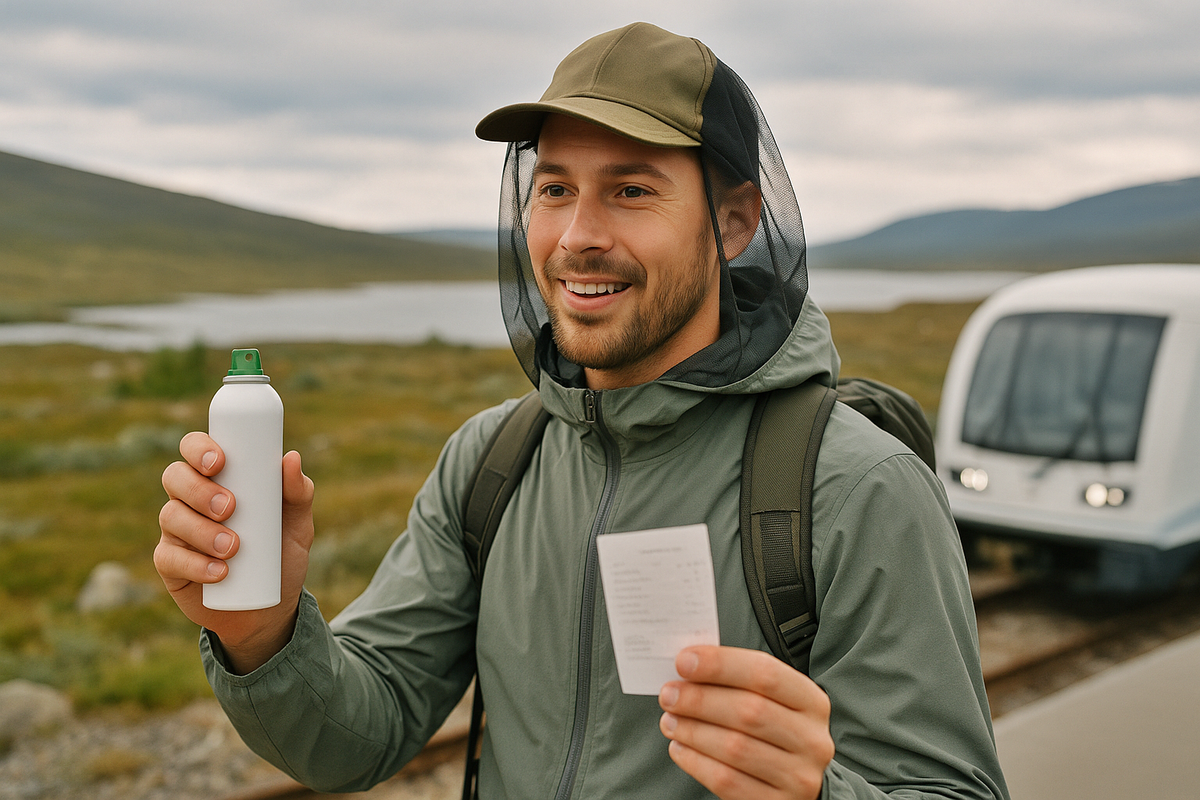
The right clothing and a basic kit make the difference between “horrific July” and “yes, there were mosquitoes, but it was manageable”.
👕 Clothing: cover up without overheating
- Long sleeves and trousers made of dense but breathable fabrics. Light trekking pants + base layer according to temperature beats shorts and a T-shirt every time.
- Snug cuffs at wrists and ankles, drawcords on trouser legs. This makes it harder for insects to crawl under your clothes.
- Hood and headwear. A light beanie or cap + a mosquito head net when needed is standard for peak season in Lapland.
- Clothing colour. Light colours make it a bit easier to spot insects, but don’t radically change bite count; fabric density and cut matter much more.
🧴 Repellents: what to look for on the label
Focus less on the brand and more on the active ingredient and concentration:
- common actives: DEET, icaridin (picaridin), sometimes citronella/eucalyptus;
- for active trekking in Lapland you usually want a properly strong concentration, not a light “city” spray;
- choose the format you’ll actually use: spray (quick application on clothes and exposed skin), cream/lotion (more controlled dose), roll-on (convenient for spot application).
💡 Mini tip: apply repellent to exposed skin and clothing cuffs, not only “into the air”. Reapply during the day, especially if you sweat or get wet.
🕸️ Nets and extra tools
- Head net. Light, packable, weighs almost nothing and saves your nerves at camps and in still forest zones. Worn over a cap/hat.
- Mosquito mesh on tent doors. A must-have design element; make sure it closes tightly and isn’t torn.
- Plug-in devices, coils, candles. Useful in cabins and campsites (with fire-safety in mind); open flame and smoke are a no-go inside tents.
📦 Quick gear checklist
Minimum for most travellers:
- light trekking clothes with long sleeves and trousers;
- buff/scarf, cap or light beanie;
- effective repellent with a suitable active ingredient;
- sound tent/cabin with mosquito nets on doors and windows.
Extended kit if you’re very afraid of insects:
- head net;
- light gloves for evenings and fishing;
- spare repellent, plus a gentler format for face/sensitive skin;
- thin over-jacket/anorak for “mosquito evenings”.
🏕️ Where to Sleep in Season: Cabins, Tents, Huts, Campsites
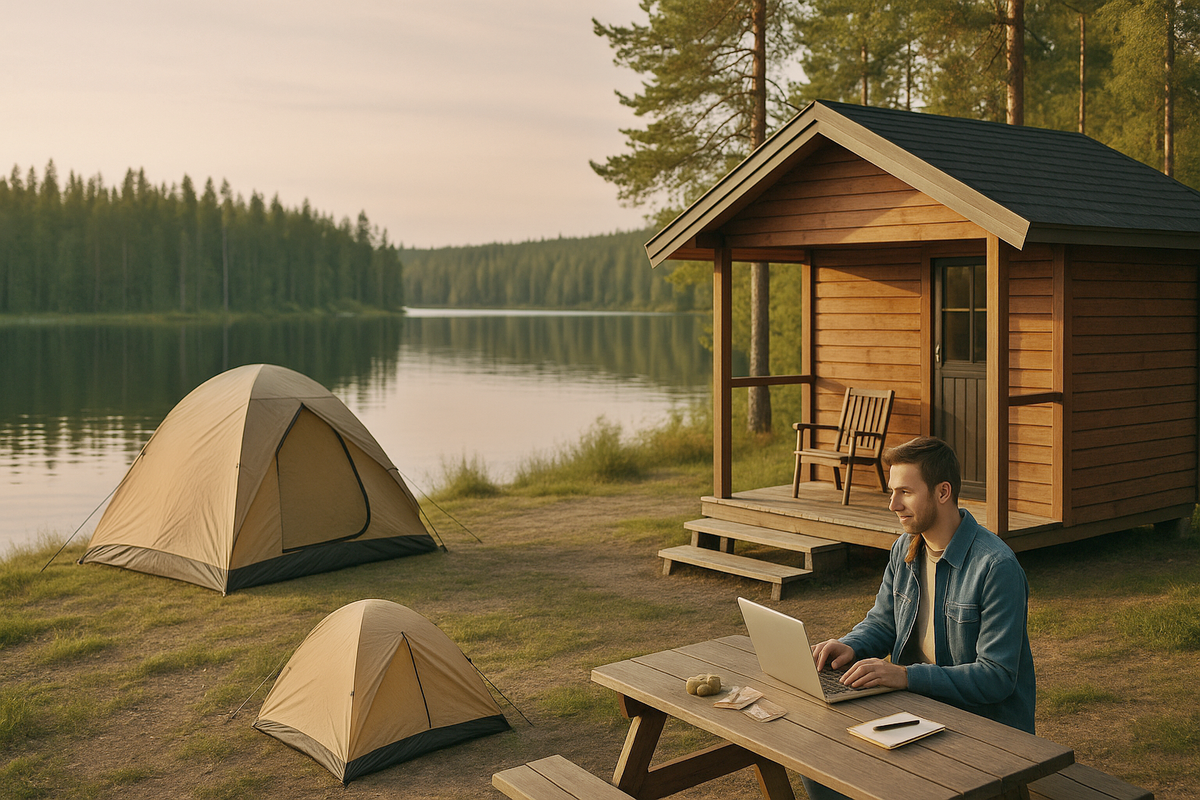
How you spend evenings and nights often matters more than what happens on the trail. Your accommodation choice determines whether you sit for hours in a cloud of insects or drink your evening tea in relative peace.
🛖 Cabins and cottages
Pros:
- solid walls and screened windows block most insects;
- you can cook, eat and dry gear indoors without attracting mosquitoes with light and smells;
- comfortable format for families and first-timers who aren’t ready for tents in peak season.
What to look for when booking:
- presence of mosquito screens on windows and the ability to ventilate without open “holes”;
- a covered terrace or shared indoor lounge for evening downtime;
- indoor cooking options (kitchen, shared campsite kitchen).
⛺ Tents in Lapland
Tents are a viable option if:
- they have a functioning zipper and proper mosquito mesh at the entrance;
- you keep strict discipline: don’t leave doors open, don’t eat inside, don’t run bright lights with the door unzipped.
Practical tips:
- set up your cooking spot a little away from the tent to avoid drawing swarms to your sleeping area;
- get in and out quickly: open–enter–close, without chatting in the doorway;
- use a headlamp with warm, not overly bright light to reduce attraction through the fabric.
🏡 Huts and campsites
Norway, Sweden and Finland have many trekking huts and campsites with shared kitchens and lounges:
- in huts you can cook and relax indoors, going outside only when needed;
- campsites with common kitchens and lounges let you sleep in a tent but “hide” in a building in the evenings.
💡 Who should choose what:
- if you’re a first-timer in Lapland in summer and very scared of insects, go for a road trip + cabins/campsites with indoor kitchens;
- if you’re more experienced, you can mix tents and huts, adjusting comfort based on weather and season.
📚 Real-world Experience and Final Rules: “We Went in July and Survived”
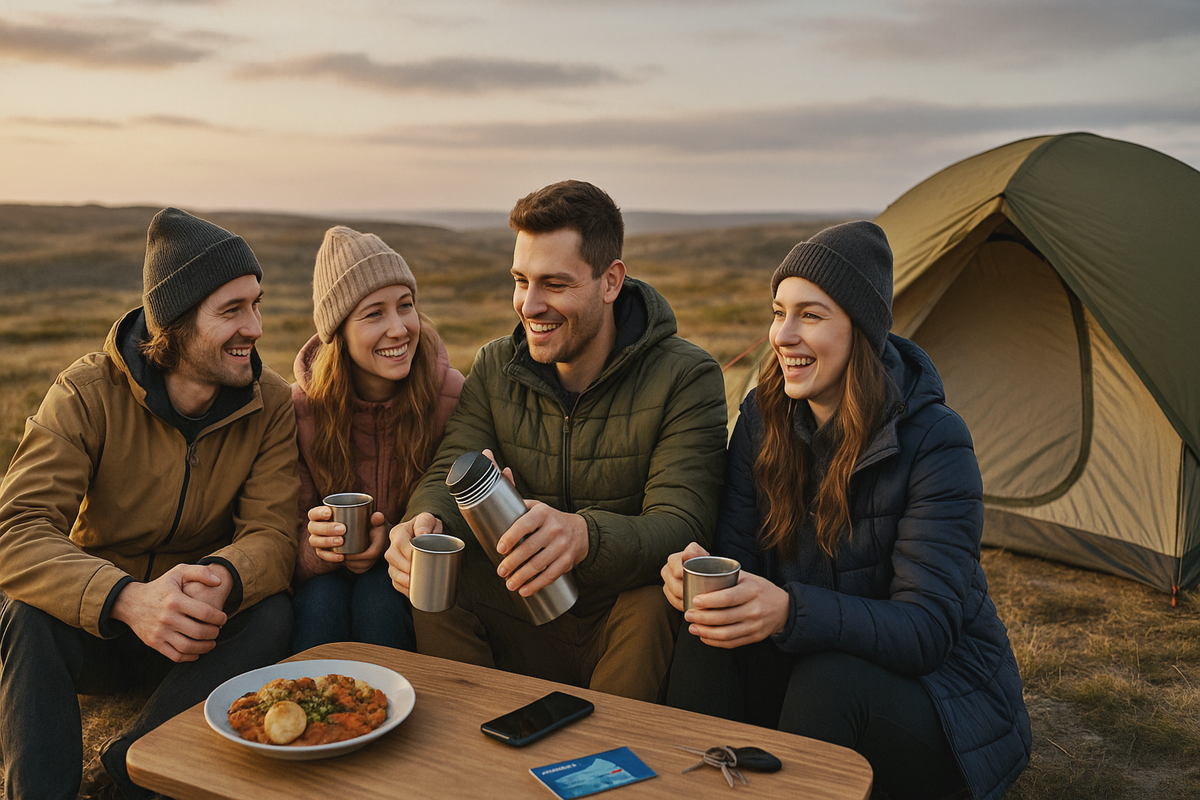
To reduce anxiety, it’s useful to look at typical trip patterns.
🧵 Case 1: July ridge trek
- Route: 5–6 days in Lapland with tents, mostly above the tree line.
- Conditions: peak season, warm, a few calm days.
What worked:
- choosing ridge routes instead of forest valleys;
- head nets and repellent at camps;
- daytime breaks on open, windy spots.
What they’d change:
- be even more careful with camp locations (further from bogs and small ponds);
- bring more comfortable gloves for “mosquito hour” in the evenings.
🎣 Case 2: A week of lake fishing in July
- Format: cabin by a lake, daily boat fishing at dawn and dusk.
What worked:
- solid cabin with good screens, ability to “escape inside” right after fishing;
- proper clothing, buff, head net in the boat, repellent.
What was hard:
- evening dead-calm sessions: standing still in a boat under a cloud of insects is mentally draining even with protection;
- takeaway: next time, shift part of the fishing to daytime hours, not only classic dawn/dusk.
🚗 Case 3: Family road trip in late August
- Format: car travel, easy walks, cabins and campsites.
Result:
- insects were present but the situation was noticeably milder than in July;
- key factors: dates (late season) and sleeping in cabins with good screens.
✅ Final Checklist: Surviving Mosquitoes and Still Loving Lapland
- Timing. If you’re flexible and worry about insects, aim for early June or late August–September.
- Terrain. Avoid long routes through bogs and forest valleys; prioritise ridges, plateaus and coasts.
- Clothing. Long sleeves and trousers, tight cuffs, hood, buff and headwear are basics, not “extreme gear”.
- Protection. Effective repellent + head net + strict habits around screens and doors.
- Accommodation. For beginners and families, opt for cabins and campsites with indoor kitchens; tents require experience and discipline.
- Mindset. Don’t treat every bite as a failure: in Lapland in summer they’re inevitable – the key is not letting them run your trip.
- Expectations. There is no such thing as “Lapland with zero mosquitoes”; there is well-prepared travel where insects are a factor, not the main story.
❓Frequently Asked Questions
💬 Most often, the peak falls on late June and July, especially in warm, wet years and in forested lowlands.
💬 Yes, if you choose ridge/plateau routes, dress properly and use a solid insect-protection kit.
💬 Usually no: with smart timing, terrain, accommodation and gear choices the problem stays manageable.
💬 Ideally both, but for mental comfort in peak season a head net often does more than an extra layer of spray.
💬 The optimal option is a Lapland road trip with cabins or huts and daytime hikes along more open, breezy routes.

0 comments
Log in to leave a comment