


🚆 Copenhagen as a base: where to go for 1–3 days in Sweden, Norway and across Denmark
Copenhagen is very easy to turn into your personal “Scandinavian hub”. You sleep in the same hotel or apartment, get used to the neighbourhood, find your favourite bakery – and during the day you simply hop on a train or ferry and head out into Sweden or across Denmark. No car rental, no parking fines, no stress – just timetables and a sensible plan.
The key question is what you can realistically manage in a day without it feeling like a race, and which routes deserve at least one overnight stop. Below are ready‑made 1, 2 and 3 day frames you can mix into a single trip.
🧠 How the “Copenhagen base” format works
If you have 5–7 days in Copenhagen, there’s no need to change hotels every day and drag your suitcase around. The logic is different:
– 2–3 days you keep for Copenhagen itself;
– 1–2 days for short Danish trips: Roskilde, North Zealand, the coast;
– 1–3 days for a light dip into Sweden or deeper into Denmark;
– optionally you add Oslo with one overnight.
The core rule: anything that takes more than 4–5 hours one way is almost always a candidate for an overnight stop, while trips up to 1.5–2 hours each way work very well as classic “out in the morning, back in the evening” days.
🧭 Where to go for 1 day and where for 2–3 days
🗺️ Overview table: trips out of Copenhagen
| Destination | Format | What to expect | Best time to go |
|---|---|---|---|
| Malmö & Lund (Sweden) |
|
|
|
| Roskilde (Denmark) |
|
|
|
| North Zealand (castles and coast) |
|
|
|
| Southern Sweden (Skåne) |
|
|
|
| Funen & Odense (Denmark) |
|
|
|
| Eastern Jutland (Aarhus and surroundings) |
|
|
|
| Oslo (Norway) |
|
|
|
🚆 One‑day trips in Denmark: from cathedral to sea
🇩🇰 Roskilde
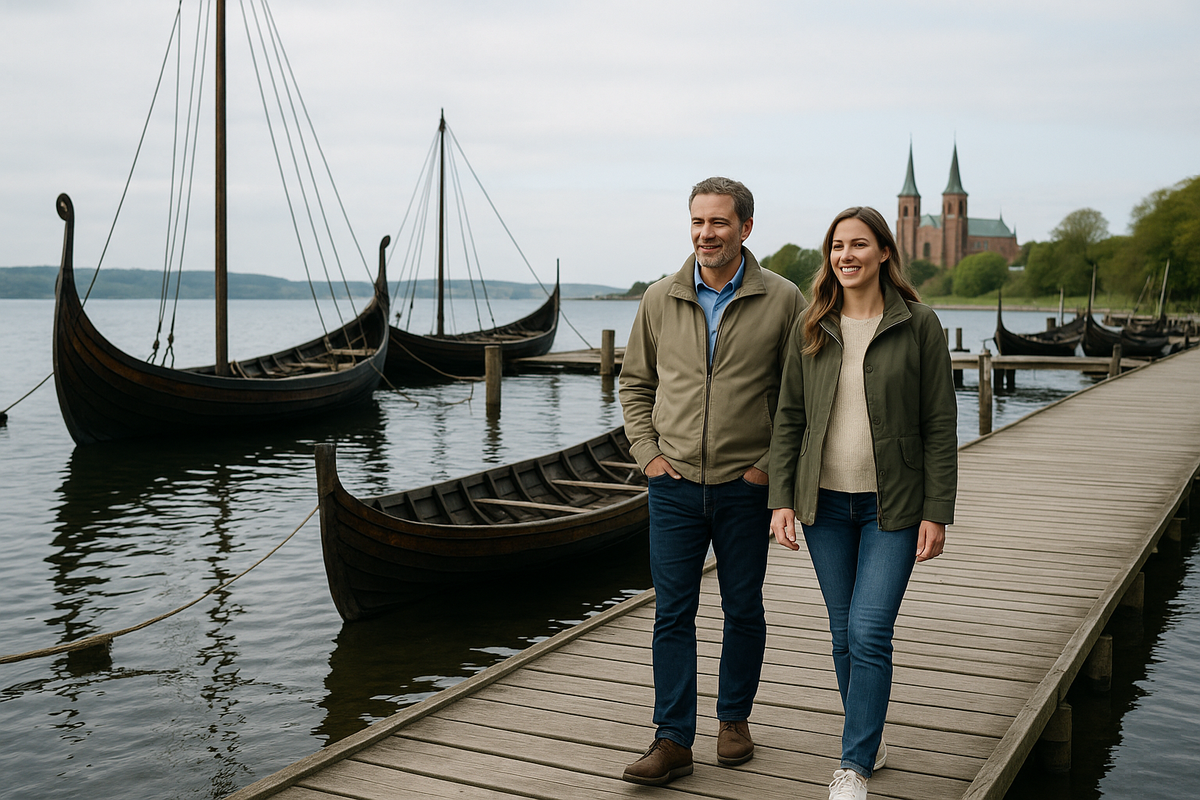
A true classic. It’s a small town where history and water fit comfortably into one day. In the morning you visit the cathedral that has been the burial place of Danish monarchs for centuries, then drift down to the Viking Ship Museum by the fjord and finish with a walk along the waterfront. The journey time is short, and in the evening you’re back in Copenhagen in time for dinner at your favourite café.
🏰 North Zealand: castles, coast and galleries
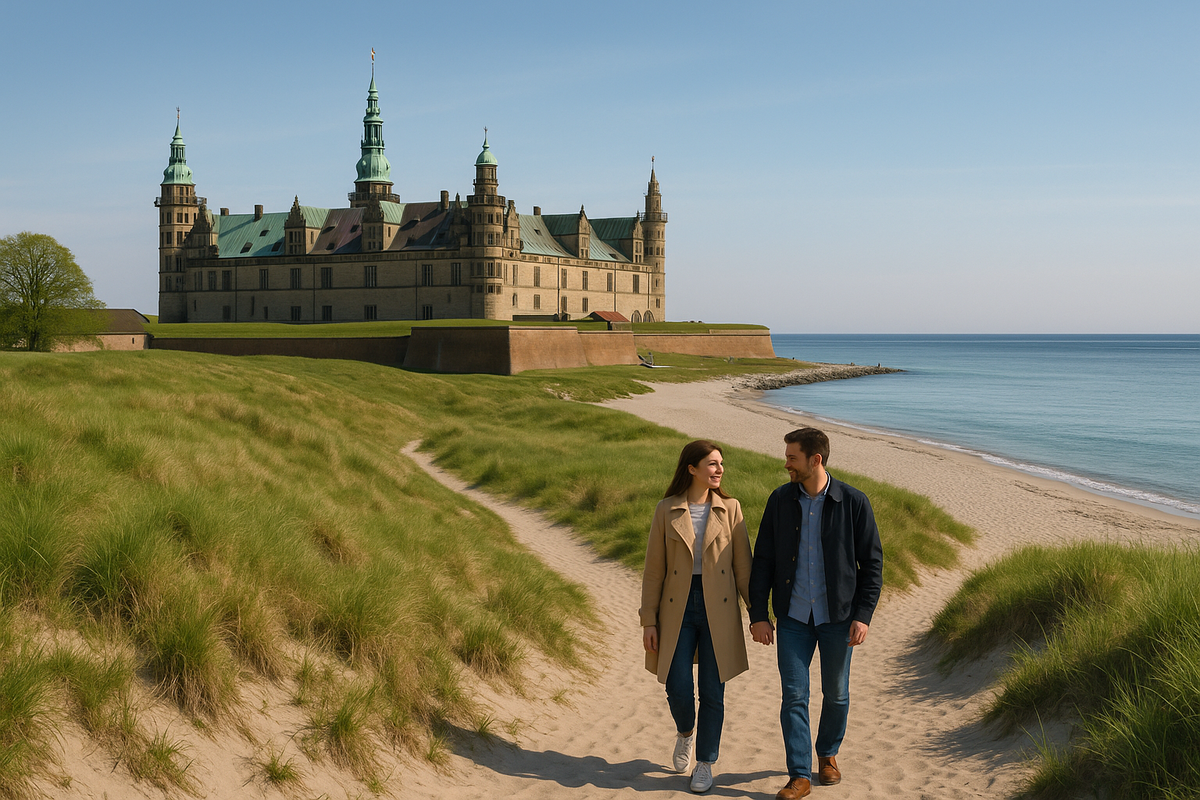
North of Copenhagen you find castles, pale green forests and gentle coastline where evenings are especially beautiful. In one day you can mix:
– a castle on the water and a walk in its park;
– a modern art gallery perched over the sea;
– a stop at a sandy beach or a walk through a pine forest with views of the strait.
This is perfect if you want “a bit of nature, a bit of culture” and to return to the city without feeling rushed.
🌉 Sweden in a day: Malmö and Lund
From Copenhagen you cross the strait and, in the space of one bridge, land in a new country. The train glides over the water; soon you’re walking along Malmö’s waterfront, looking at contemporary architecture and exploring the old quarter.

A common pattern:
– morning train from Copenhagen;
– several hours in Lund’s old centre and university quarters;
– back to Malmö for a late lunch and waterfront walk;
– evening return to your “home base” in Copenhagen.
This trip is convenient because it needs very little planning: check current border rules and carry ID, that’s essentially it.
🧭 Copenhagen trip planner
🧭 Trip picker: how many days and what you’re into
Choose duration and focus – and get a few starting ideas for planning.
🇸🇪 2–3 days in southern Sweden: car‑free Skåne
If you want “real Sweden” without long, tiring journeys, southern Sweden is a perfect compromise. You cross the sound, then base yourself in one of the small towns and take short train hops.
In 2–3 days you can:
– spend one day in Lund with its university quarter and old streets;
– devote a second day to the coast: little harbours, promenades, sandy beaches and clifftop paths;
– use a third day for smaller towns and villages where the pace of life is slower than in the capital.
This format shines in summer and early autumn, when the days are long and the coast is gentler than the open Norwegian sea.
🇩🇰 Funen, Odense and the islands: soft “rural Denmark”
Funen is often underestimated. For some it is just a dot between Copenhagen and Jutland – and that’s a pity.
In 1–2 days you can:
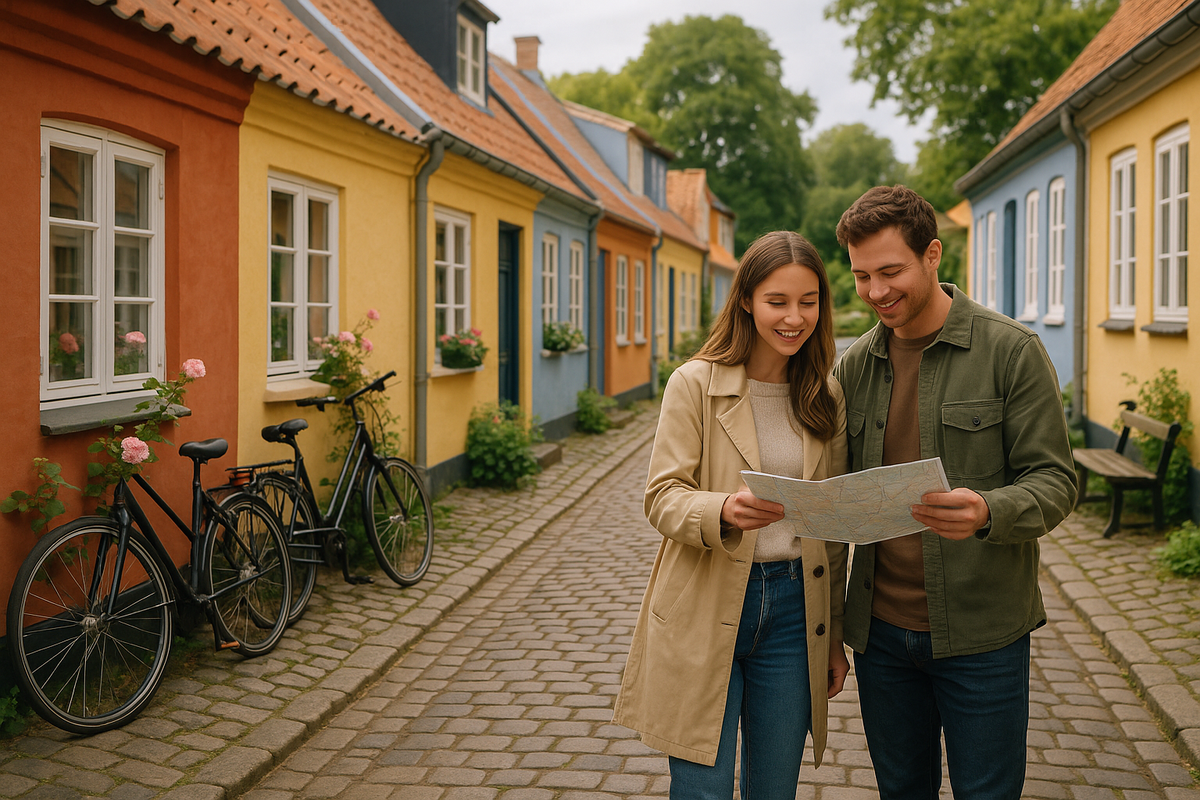
– stroll through Odense’s old centre with its cosy houses and parks;
– visit museums linked to Hans Christian Andersen (the city is proud of this heritage);
– pick a nearby castle and enjoy its park;
– in summer add a trip to the sea: small beaches, boats and that unhurried Danish feeling.
With 2 nights it is pleasant to spend one night in Odense and one in a small seaside town, to see how people live on the island away from the capital.
🇩🇰🇳🇴 Oslo with a Copenhagen base: when it makes sense
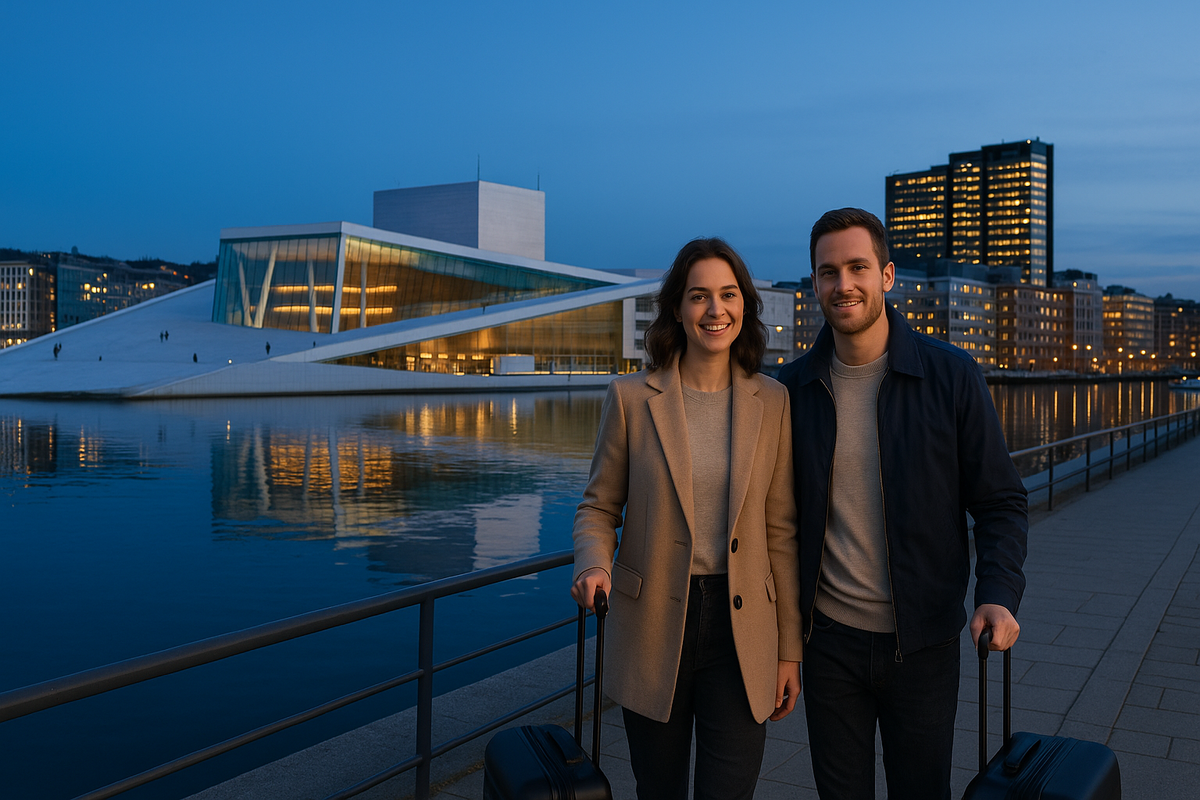
Oslo is a different country and a different scale of trip. In theory you can squeeze it into a long day trip by flying early and back late, but the result is mostly airports and transport. It is far more comfortable to give it at least one night:
– day one: travel and a walk along the harbour, parks and nearby hills;
– day two: museums and viewpoints, perhaps a tram or metro ride up for a fjord panorama;
– day three (if you have it): a weather buffer or simply a slower pace.
This kind of “from base to Oslo” feels especially rewarding if you’ve already settled into Copenhagen and want a contrast: steeper hills, a different light, more pine in the air and a different take on architecture and street life.
❄️ Winter vs summer: which trips work best when
In winter the short daylight hours change everything. Cold‑season trips work better if they are city‑focused:
– Roskilde, Odense, Malmö, Lund, Oslo;
– North Zealand with the emphasis on castles, not beaches.
You’re not dependent on open trails, don’t worry about muddy paths and can always dip into a café, museum or sauna when the wind picks up.
In summer the pull is towards water and walks:
– the coasts of Zealand and Funen, with brave swims (the water is cool but refreshing);
– forest routes and nearby national parks;
– islands and small harbour towns where sunsets over the water are a reason to travel in themselves.
🧾 Checklist for planning trips out of Copenhagen
🧾 Checklist: day or weekend trip from Copenhagen
- 🎫Check train/ferry tickets: departure and return times, whether seat reservations are needed.
- 🛂For trips into Sweden/Norway take passport/ID and visa if required.
- 🌦️Look at the local forecast for your destination and pack an extra layer.
- 🍏Think about snacks and water, especially if you are heading into nature or very small towns.
- 📱Download offline maps and save key addresses: station, hotel, main sights.
- 💳Check your card limits and carry a little cash for minor expenses.
- 🔋Charge your phone and take a power bank – especially in winter or on longer trips.
- 🕰️Allow buffer time on the way back if you have a flight the next day.
💡 How to build a week with Copenhagen as a base
Here’s a soft, car‑free 7‑day template:
– Days 1–2: Copenhagen itself – neighbourhood walks, canals, museums, a lot of hygge in cafés.
– Day 3: Roskilde and the fjord, back to Copenhagen at night.
– Day 4: North Zealand – castles and coastline.
– Days 5–6: southern Sweden (Lund and the Skåne coast) or Funen (Odense and surroundings) with one overnight stay.
– Day 7: a flexible buffer for weather, last‑minute shopping and time in your favourite Copenhagen area.
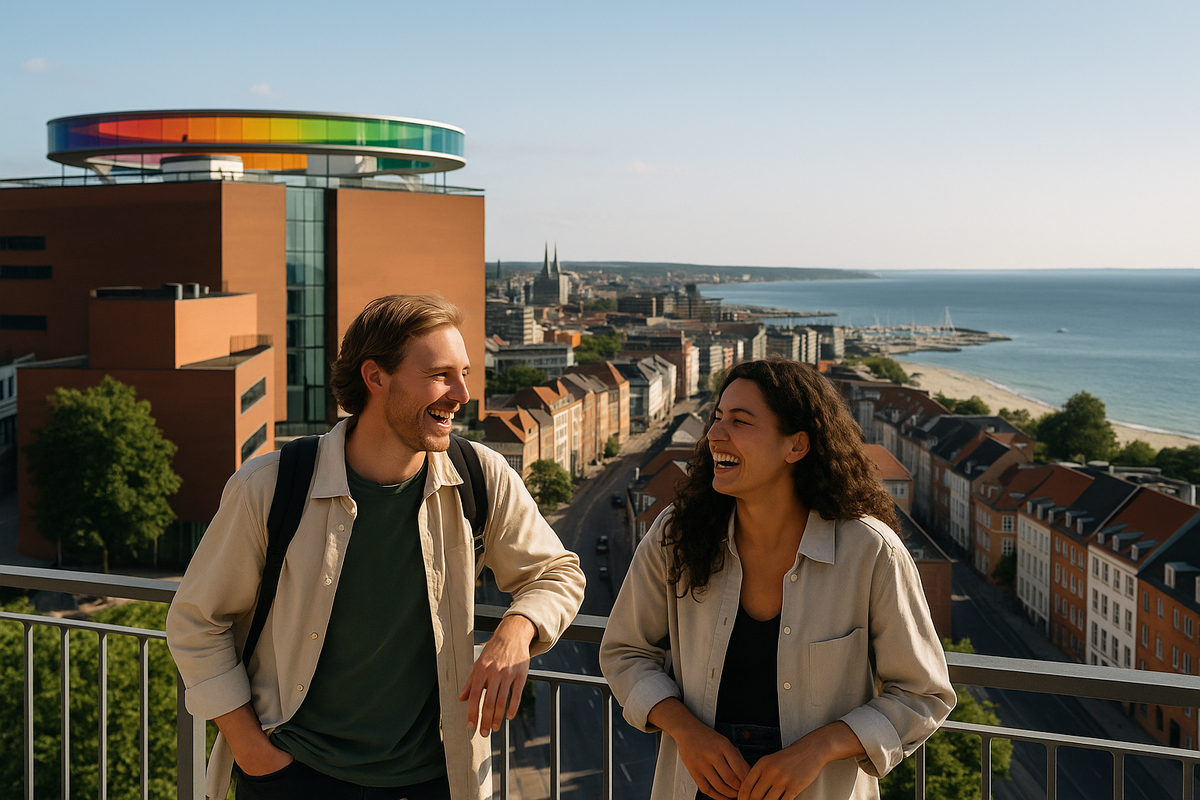
If you like, you can swap one of the Danish blocks for Oslo with an overnight – just remove one local daytrip and make the focus a full country contrast.
❓FAQ
Technically yes, with a very early flight out and a late one back – but your day will mostly be airports and transport. In practice it is exhausting and thin on impressions. Far better to allow at least one night and give Oslo 1.5–2 days.
If you want another country with minimal hassle, pick Malmö+Lund. If you’re interested in Danish history, go to Roskilde. If you’re drawn to castles and sea views, head for North Zealand. All three work well as day trips and do not require a car.
Yes, ID checks are possible. EU citizens can usually travel with a national ID card, others need a passport and valid visa. It is wise to carry documents even if checks are not constant.
City and many regional trains within Denmark and towards Malmö can be bought close to the day. For longer and more expensive routes (for example into Jutland or on night trains) it is worth booking ahead – both for peace of mind and for better prices.
Physically possible, but you will spend most of your time in transit. Gothenburg works much better with an overnight or as part of a separate Swedish route. For a one‑day trip from Copenhagen, stick to Malmö and, at most, add Lund.
Winter is not ideal for routes that rely entirely on beaches, swimming and long coastal walks. North Zealand’s beaches and exposed islands can turn into a windy endurance test. In the cold season lean towards cities, castles, museums and short waterfront strolls.
Sometimes yes, but it makes for a very long day. For example, a morning in Roskilde and an evening in Malmö is possible if you are confident with timetables and ready for a packed schedule. For a first visit it’s usually nicer to keep destinations to one country per day so your trip doesn’t feel like “all trains no time”.
Very much so. Children sleep in the same bed, get used to the area, and you simply add short train rides as mini adventures. The main thing is to choose trips no more than 1.5–2 hours one way and not overload a single day with too many stops.

0 comments
Log in to leave a comment