


🏕️ Where in Scandinavia is it cheaper to holiday: Danish islands, Swedish forests or Finnish lakes?
Scandinavia has a reputation as a very expensive destination. But inside the region the difference in prices is huge. A night in a hotel in Oslo and a week in a Finnish cabin by the lake are completely different budgets. Some travellers look for “a cheaper version of the fjords”, others want a quiet place with forest and water where they can stay for a week or two without counting every cup of coffee.
In this article we look at three relatively budget‑friendly scenarios:
– Danish islands and Jutland
– Swedish forest regions
– the Finnish lake district
We’ll see where accommodation and campsites are cheaper, where food prices are softer, how much a car changes the equation and what kind of nature you get in return.
💸 Why prices differ so much inside Scandinavia
Even within one country, the gap between a capital and the countryside is noticeable. The cost of a trip is shaped mainly by:
- proximity to a big city or capital
- type of accommodation (hotel, cabin, campsite, “wild” camping)
- season (July and school holidays vs May or September)
- how focused the area is on international tourism
- whether you need a car or can rely on trains and buses
If we simplify, the most budget‑friendly scenarios usually look like this: a cabin or campsite in an area without big cities nearby, with forest/lake/sea, home cooking and a minimum of paid attractions. With that setup Denmark, Sweden and Finland suddenly become much more comparable.
📊 Comparison table of budget regions
| Region | Accommodation and campsites | Food and shopping | Transport and car | Type of nature |
|---|---|---|---|---|
| Danish islands and Jutland | Sommerhus cottages and campsites by the sea. Mid‑range prices: more expensive on the beachfront, cheaper inland in Jutland. | Supermarkets almost everywhere, seaside restaurants are pricey. | Much easier with a car, but many coastal towns are reachable by train and bus. | Sandy beaches, dunes, gentle hills, rural landscapes. |
| Swedish forest regions | Stuga cabins and forest campsites, often cheaper than coastal or capital‑area stays. | Supermarket prices are moderate, very few restaurants and cafés outside towns. | A car is often needed, though some large lakes are reachable by train + bus. | Forests, lakes, rolling hills, walking and cycling trails. |
| Finnish lake district | Cabins on the water in all price ranges, often with a sauna. Prices vary strongly with comfort level. | Grocery prices similar to Sweden, alcohol more expensive. | For truly remote shores you almost always need a car, but there are town bases with good train links. | Large lakes, narrow straits, islands, coniferous forests, bogs and wooden villages. |
🏝️ Danish islands and Jutland: sea, dunes and rural Denmark
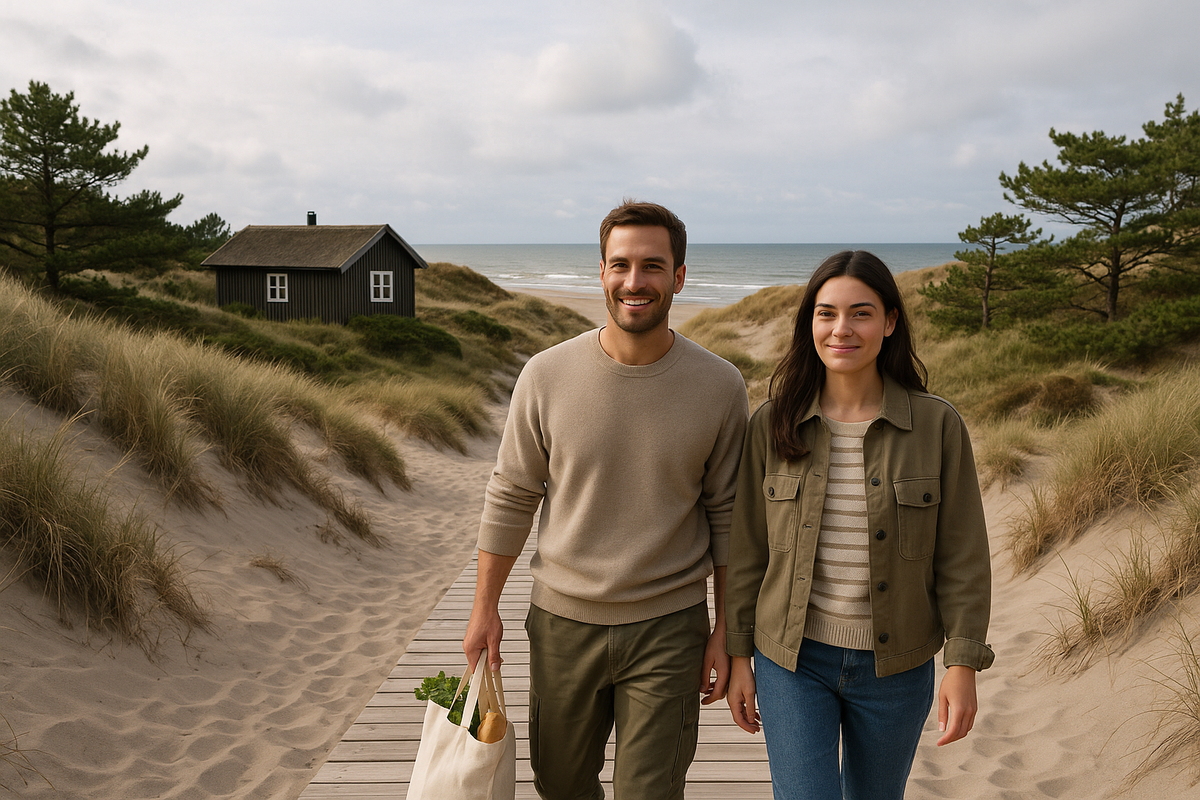
If you want sea and endless beaches without Norwegian fjord prices, Denmark goes straight on the map. The west coast of Jutland, the north coast, the island of Funen and its smaller neighbours all give you the classic picture: a cottage near the sea, wind, dunes, lighthouses and a small harbour town nearby.
Accommodation:
- in summer, beachfront sommerhus cottages are noticeably more expensive than houses a little inland
- seaside campsites are among the most budget‑friendly options, especially outside the peak weeks of July
- on smaller islands (Langeland, Ærø etc.) prices can be gentler than on the famous west‑coast resorts
Food:
- supermarkets such as Rema 1000, Netto, Lidl help a lot with the budget if you cook at home
- cafés and restaurants along the coast are clearly more expensive than simple places inland
- alcohol in bars and restaurants is a separate line in the budget and an easy way to overspend
Transport and car:
- many resort towns in Jutland are connected to Copenhagen and other cities by train or regional buses
- the most atmospheric and affordable cottages are often in places where life without a car is complicated: long walk to the shop, rare buses, awkward connections
- if you travel without a car, it makes sense to look for accommodation close to stations and bigger villages – a little more expensive, but much easier day‑to‑day
Nature and feel:
- sandy beaches, dune landscapes, at times very wide and almost empty shores
- outside peak dates you can feel almost “at the end of the world”, while still having a supermarket 10–15 minutes’ drive away
- for long seaside walks and photographs Denmark is a great compromise between scenery and cost
In short, Denmark is not “dirt cheap”, but if you choose a campsite and cook at home, the budget becomes much kinder than many expect when they compare it with Norway.
🌲 Swedish forests and the countryside: red cabins and deep quiet
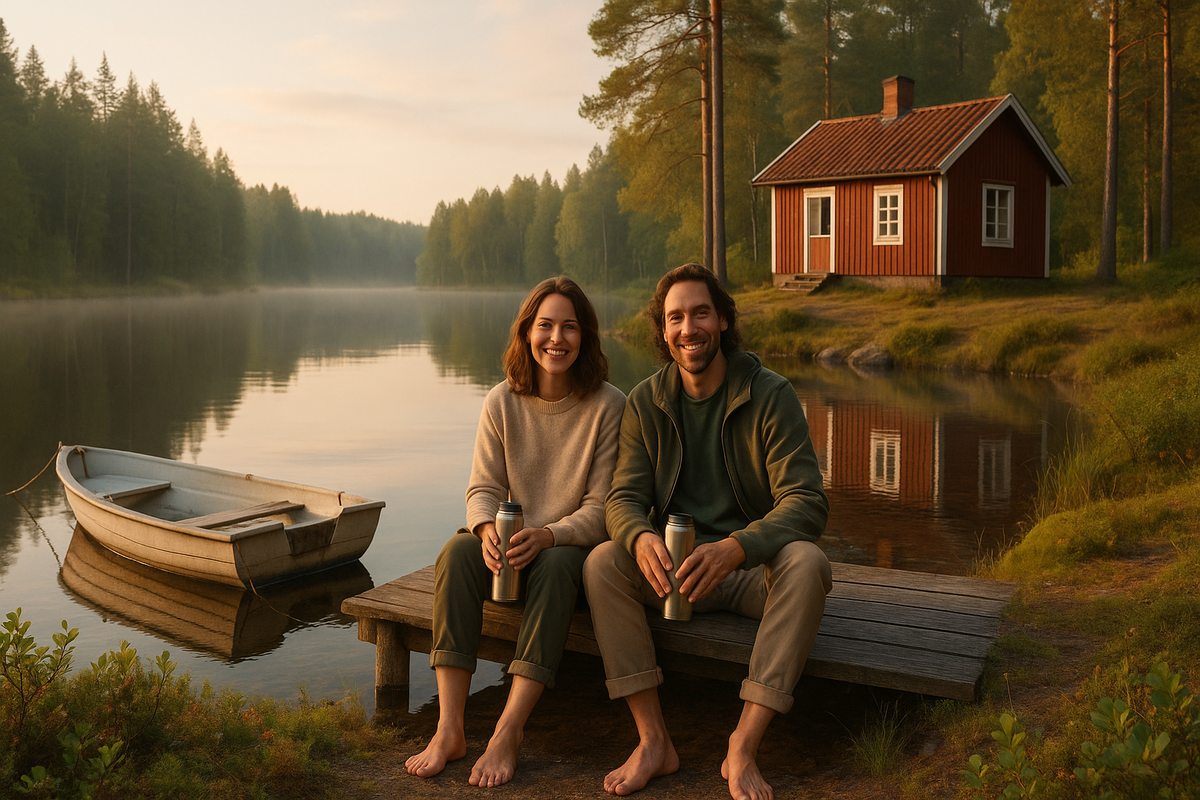
Swedish “countryside” means hundreds of kilometres of forest, lakes and villages with red timber houses. Regions such as Småland, Värmland or Dalarna appear again and again in trip reports as places where “it was affordable, quiet and felt wonderfully Scandinavian”.
Accommodation:
- the classic choice is a stuga cabin by a lake or in the woods
- campsites with small cabins and tent pitches are cheaper than coastal or capital‑area stays
- if you avoid the very peak of summer you can find a comfortable cabin for the price of a basic hotel room in Copenhagen
Food and things to do:
- supermarket prices are noticeably softer than in Norway and comparable with Finland
- there are few restaurants and cafés in the countryside – many travellers note that “we lived cheaply but missed city restaurants and bars a bit”
- most activities are free: hiking trails, swimming in lakes, berry and mushroom picking, simple fishing (sometimes with a small local permit fee)
Transport:
- you can reach many lake districts by train and regional bus, but beyond that a car is almost essential
- relying entirely on public transport makes the forest regions harder to explore: infrequent services, very quiet evenings
Nature:
- seemingly endless coniferous and mixed forests, lakes of all sizes, soft hills
- many marked trails, shelters and barbecue spots
- Sweden’s right of public access works here in full, but with respect for private land and local rules
Swedish countryside holidays give you maximum silence and forest for a minimum budget, if you are ready for a car, home cooking and calm evenings.
🛶 Finnish lakes: a cabin with sauna and a grill on the shore
The Finnish lake district is often described as a pleasant surprise: people come after Norway and honestly admit that “after the fjords, Finland felt almost cheap”. It is not a student destination for pennies, but a place for a sensible family budget with a high level of comfort.
Accommodation:
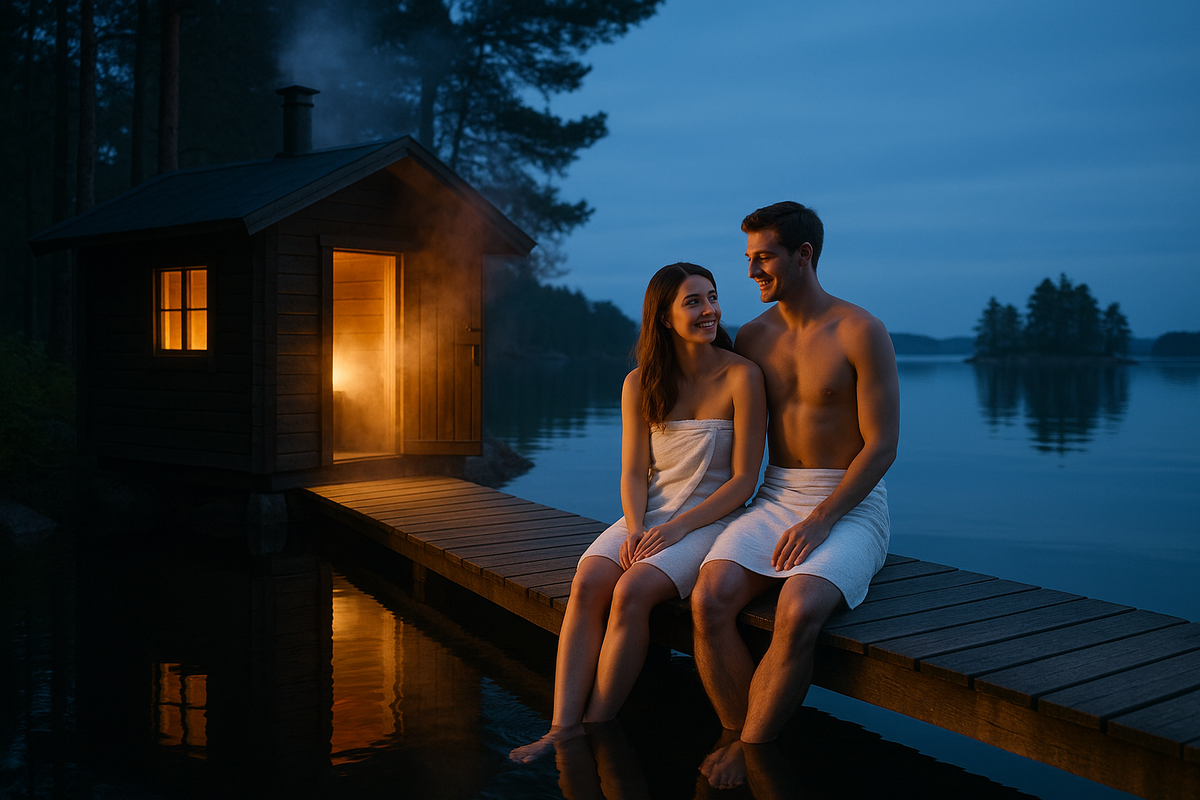
- lakeside cabins almost always come with a private sauna, terrace and jetty
- prices vary widely: from very simple houses to full‑on spa‑style villas by the water
- if you do not chase designer architecture and choose cabins a little away from the most famous lakes, the offers can be very reasonable
Food:
- groceries are priced similarly to Sweden, a bit higher than in the Swedish countryside, alcohol is expensive
- if you cook for yourself, the overall spend becomes quite friendly, especially for families and groups
- Finns have mastered the formula “wine/beer from town – slow days in a cabin without restaurants”
Transport:
- larger base towns (Tampere, Lahti, Joensuu and others) are well connected by train and bus
- for truly remote “cabins at the end of the lake” you almost always need a car, sometimes even a boat
- without a car it’s easier to choose a town on a lake as your base and do day trips rather than hunt for a hut in the wilds
Nature:
- huge lake systems, narrow channels, islands and peninsulas
- ideal scenario: day on a kayak or SUP, evening in the sauna and by the fire
- midges and mosquitoes in summer are real, but with the right repellent and clothing they do not ruin the holiday
In practice, the Finnish lake district is one of the best options for “a lot of comfort for a reasonable price”, if you are not scared of quiet evenings and self‑catering.
🚗 Do you need a car for a cheaper holiday?
The further you go from major cities, the lower:
- accommodation prices
- average supermarket bill
- temptation to go out to cafés and bars every evening
At the same time, dependence on a car goes up. The general pattern:
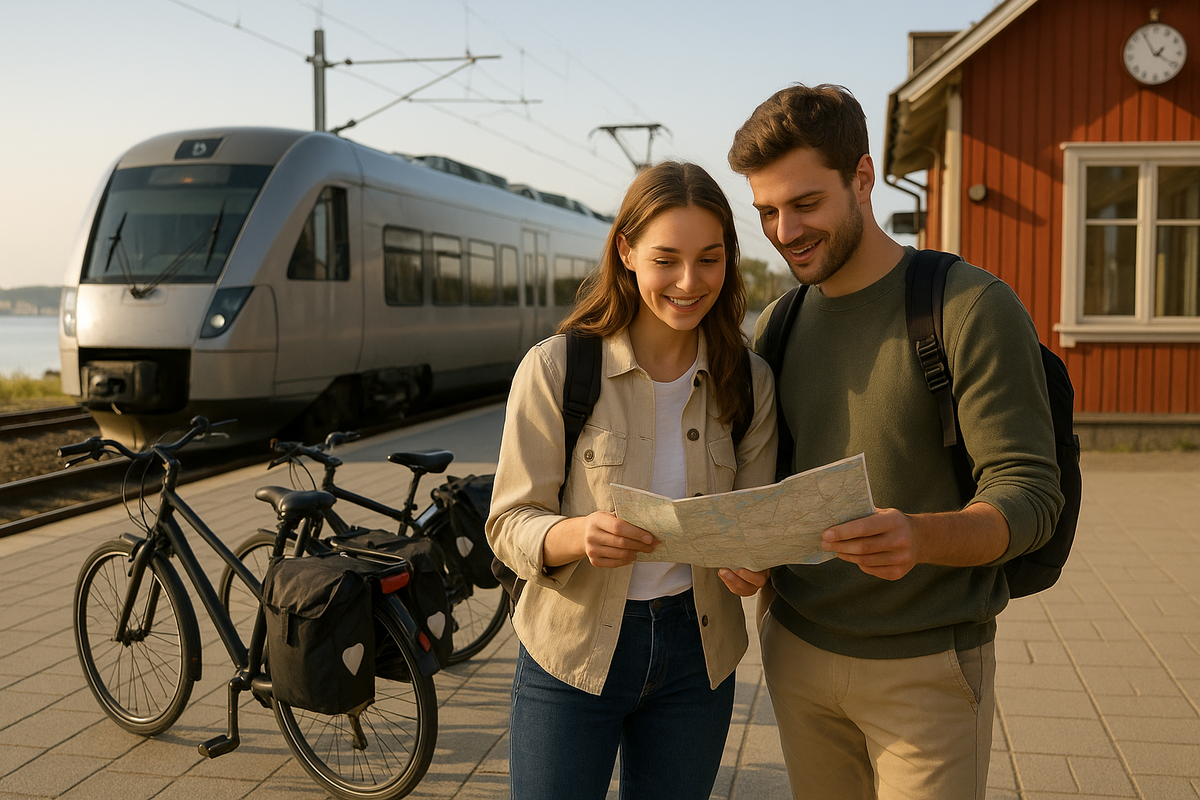
- in Denmark you can find a good compromise: stay in the outskirts of a town, use trains and buses, cycle, and still reach the sea without a car
- in the Swedish countryside and Finnish lake district a car almost always turns an expensive region into an affordable one, because you can choose more remote and cheaper cabins
- if you do not plan to rent a car at all, it is better to look at small town bases: in Finland, for example, Lahti or Tampere; in Sweden – Karlstad or Falun; in Denmark – coastal towns in Jutland with good rail links
✅ Checklist “which region suits your budget best”
How to tell which region is best for your budget
Tick what feels true for you. The region with most matches is your likely favourite.
- ✓I want sea and beach, I can live with wind and slightly higher accommodation prices but want good transport and infrastructure → more points for Denmark.
- ✓I mainly want forest, lakes and quiet, restaurants and bars are not essential, I am happy to cook most meals → Swedish countryside or Finnish lakes.
- ✓We will have a car and we are not afraid of gravel roads and remote cabins → Finland’s lakes and Swedish forest regions win, because you can choose the cheapest places “in the middle of nowhere”.
- ✓We travel without a car and prefer cafés to cooking every day → better focus on Danish coastal towns or lake‑side town bases in Sweden and Finland.
- ✓We want a comfortable cabin with sauna and a jetty, but without Norwegian hotel prices → the Finnish lake district gets a big plus.
💰 Summary: where is it really cheaper to holiday?
Strictly speaking, there is no truly “cheap Scandinavia”. But there is sensibly priced Scandinavia.
- The softest option for your wallet is usually the Swedish countryside and the Finnish lake district if you choose a cabin or campsite, cook for yourselves and have a car. Food is reasonably priced and nature is superb.
- Danish islands and Jutland are a bit more expensive in terms of accommodation, but you gain excellent public transport, short flights from the rest of Europe and the chance to live by the sea without disappearing into the wild.
- Compared to Norway almost any of these scenarios will feel noticeably cheaper, especially if you avoid expensive tours and choose quieter regions.
Trip reports often repeat the same thoughts:
“After Norway, Finland felt almost cheap”,
“In rural Sweden we stayed on a budget, but by the end of the week we did miss a proper restaurant or two.”
The best strategy is to decide honestly first what matters most: sea, forest or lake, whether you are travelling with children, and how you feel about driving and cooking. Only then pick the country and region – not the other way round.
❓FAQ
Most often it is Swedish forest regions and the Finnish lake district, provided you stay in a cabin or campsite, cook for yourself and use a car. Food prices are gentler than in Norway and the nature is just as good.
Denmark is easiest: many coastal towns and islands have good train and bus links, so you can live by the sea and still get around. In Sweden and Finland a car‑free holiday is much simpler if you choose a town on a lake as your base rather than a remote cabin.
On average, yes. Lakeside cabins with a sauna are noticeably cheaper than a similar level of comfort in the fjords. Groceries in Finland are close in price to Sweden; alcohol is more expensive, but overall the trip usually feels lighter on the budget than Norway.
For solo travellers and couples a tent is usually cheaper. For families or groups of four, a cabin or sommerhus is often more economical per night or per week because the price is shared and the comfort level is higher.
Yes, but the bill will grow. The smartest compromise is to cook breakfast and dinner at home and have lunch in budget cafés and supermarkets (ready meals, buffets, “dish of the day”).
A car does not automatically cut the budget, but it drastically widens the choice of affordable accommodation. In Finland and rural Sweden, without a car you are limited to more expensive town bases. In Denmark you can manage without a car and still stay within a reasonable budget, if you choose the location carefully.
For the “cabin by the water with a sauna” feeling – go to the Finnish lake district. For forest and trails – rural Sweden. For sea, wind and long beaches – Danish Jutland. All three are softer on the wallet than a long itinerary through the Norwegian fjords.
July and the first weeks of August are the most expensive everywhere. In May, June and September accommodation is cheaper, there are fewer people and the weather and daylight are often more comfortable. If you are trying to save money, these are the months to look at.

0 comments
Log in to leave a comment