


📍 Which part of the capital to stay in: neighbourhoods of Copenhagen, Oslo, Stockholm and Helsinki for a first visit
Imagine you open a map of Copenhagen or Stockholm and see dozens of unfamiliar names. Vesterbro, Grünerløkka, Södermalm, Kallio… On forums the same questions pop up again and again:
“Is this an industrial area?”
“Is it safe to walk there at night?”
“Is it OK with a pushchair and kids?”
This guide is about not accidentally booking “somewhere not too far” and then spending an hour a day getting to the centre. We’ll go through the key districts of the four capitals and honestly explain where it is convenient for a first visit, where it is noisy, where it is cheaper, and where it is as “postcard‑pretty” as it looks in photos.
🧭 How to choose a neighbourhood: quick logic before you open the map
Before you start checking specific districts, it helps to ask yourself three questions:
- What will you be doing most of the time – museums and cafés, waterfront walks, bars or child‑friendly activities?
- How many days do you have, and are you ready to spend 20–30 minutes each way travelling into the very centre?
- How important are peace and “local life” to you compared with being “in the thick of it”?
To make it easier to match your answers with reality, use this small checklist.
Сapital neighbourhood checklist
🧭 Checklist: which area fits you?
Tick the statements that describe you. It will be easier to match yourself to the area descriptions below.
- I want to step out of my hotel and be right among the main sights.
- I plan late dinners and bars – it matters that it is lively in the evening.
- I am travelling with children and want parks, playgrounds and calm streets.
- I am happy to travel a bit into the centre if the area is quieter and cheaper.
- This is my first visit – convenience and simple logistics are more important than “authenticity”.
Now – city by city.
🇩🇰 Copenhagen: a compact centre and lively districts around it
Copenhagen is surprisingly compact. From the Central Station to Nyhavn takes around 15–20 minutes on foot, and the main tourist neighbourhoods run into one another. The station sits between the historic centre (Indre By) and trendy Vesterbro, so as long as you stay near this axis it is hard to go completely wrong.
🏛️ Indre By – the historic centre and Copenhagen postcard
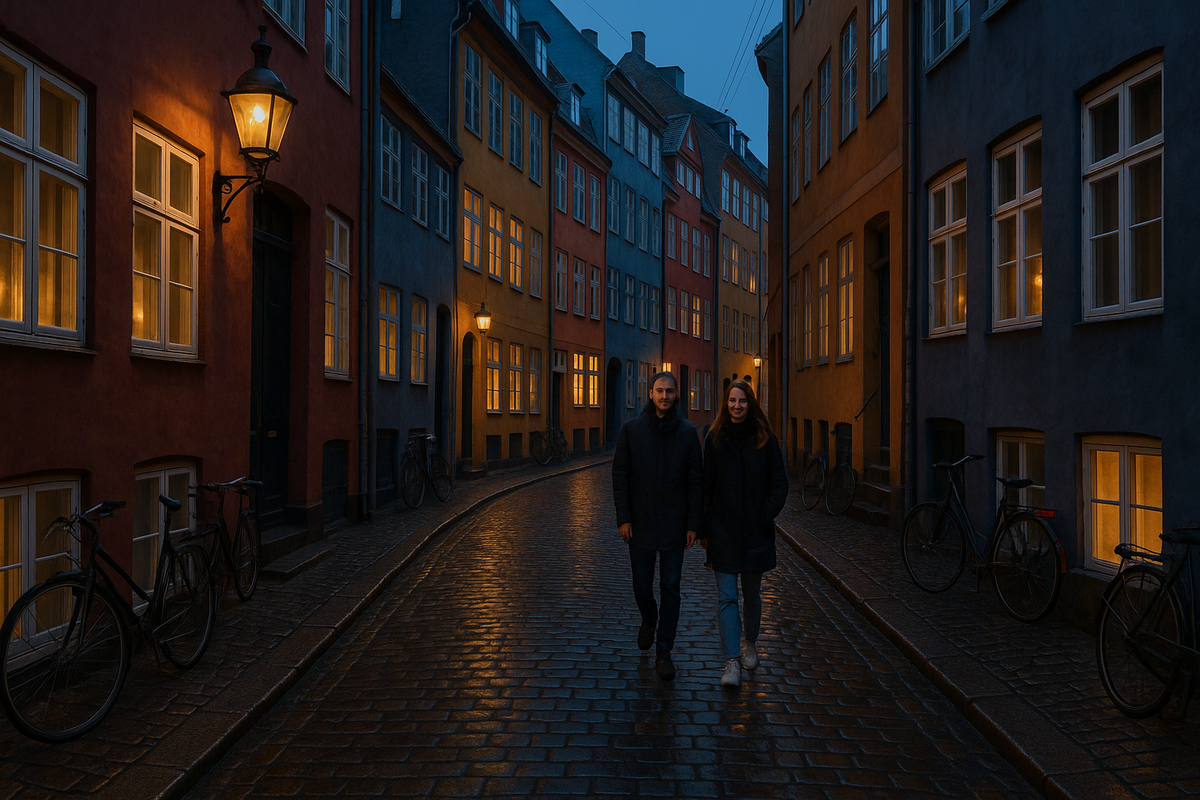
This is the heart of the city: narrow streets, the Royal Palace, City Hall, the pedestrian street Strøget, Nyhavn with its colourful houses and the canals. This is where everything looks like the photos – and where there are the most visitors.
Good for:
– first‑timers who want to live “in the middle of everything”;
– couples who enjoy evening walks and restaurants outside the door;
– anyone on a short 2–3 day visit who doesn’t want to spend time on public transport.
Pros:
– almost all must‑see sights are within walking distance;
– your hotel may be 5–10 minutes’ walk from Central Station or a metro stop;
– easy to get back late at night.
Cons:
– higher room prices, smaller rooms;
– crowded, especially in summer and at weekends;
– less “local everyday life”, more classic tourist centre.
🌈 Vesterbro – trendy district by the station
Just west of the centre, behind the Central Station, begins Vesterbro – a former working‑class and semi‑industrial area turned one of the city’s trendiest districts. Here are restaurants, bars and small design shops. Tivoli is 5–10 minutes’ walk away, City Hall about the same.
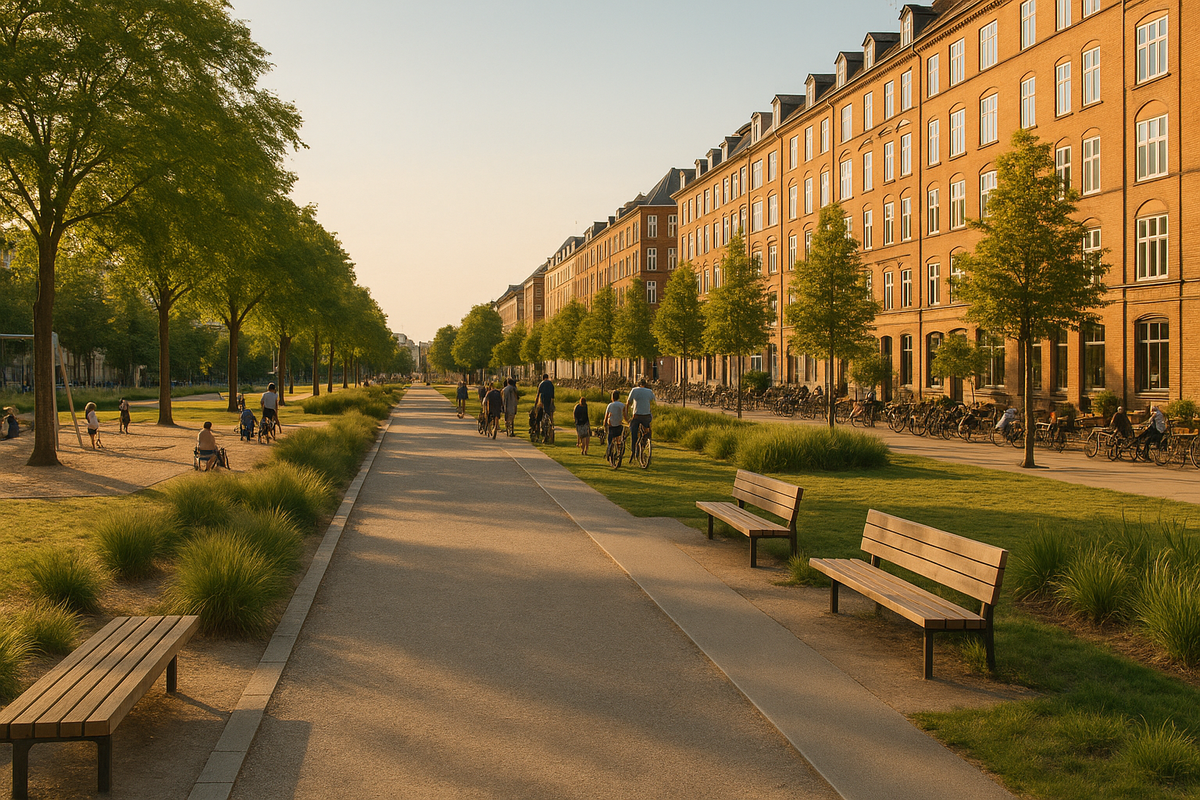
Good for:
– couples and friends who love food and bars;
– travellers who want to be close to the station (for day trips across Denmark);
– those who want a touch less tourist traffic than in Indre By but still stay close in.
Pros:
– you can reach the very centre on foot in 10–15 minutes;
– lots of cafés and bars;
– feels lively and generally safe in the evening.
Cons:
– some streets are noisy at night;
– a few corners still feel a bit rough, which some people actually like.
🌿 Østerbro – leafy, quiet and family‑friendly
To the north of the centre lies respectable Østerbro: wide boulevards, parks, waterfronts, embassies and handsome older buildings. It is ideal for families and for anyone who loves morning runs by the water.
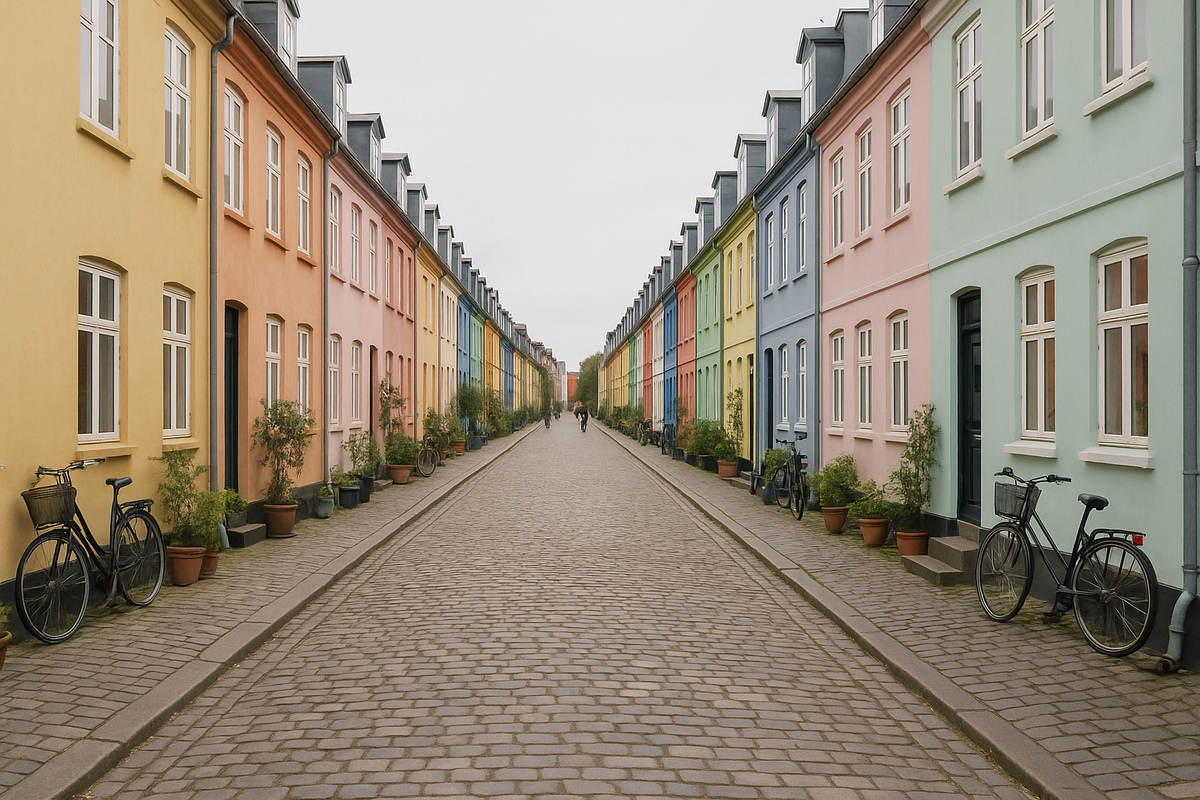
Good for:
– family travellers;
– those who prefer calm but want to be within 10–15 minutes of the centre by metro or bus;
– fans of quiet walks around lakes and parks.
Pros:
– very safe and peaceful, lots of greenery;
– 10–15 minutes into the centre by public transport;
– prices sometimes a touch lower than in the tourist core.
Cons:
– quieter evenings, fewer bars and late‑night options;
– can feel too sleepy if you are looking for lots of buzz.
🎨 Nørrebro – creative, multicultural and full of small cafés
North‑west of the centre is Nørrebro – the most multicultural and creative part of the city, with street art, small galleries, concept cafés and bars. Students, artists and young people live here; it is easy to find a vegan bakery or a bar with vinyl records.
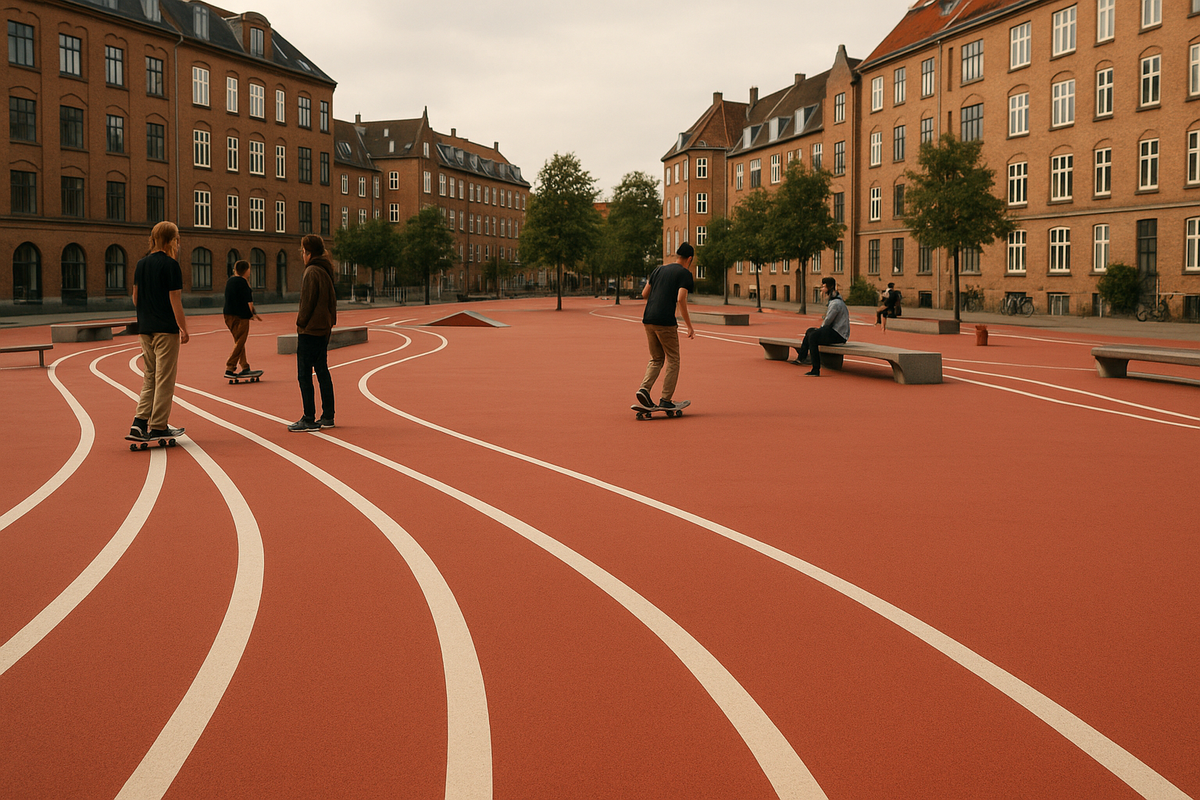
Good for:
– younger travellers and lovers of street culture;
– those who enjoy “real city life” more than polished postcards;
– budget‑minded visitors ready to use buses and metro.
Pros:
– authentic local atmosphere;
– lots of inexpensive cafés and interesting bars;
– around 10–15 minutes to the centre by bus/metro, or a longer but walkable stroll.
Cons:
– can be noisy in the evenings;
– visually less tidy than Østerbro or the historic centre.
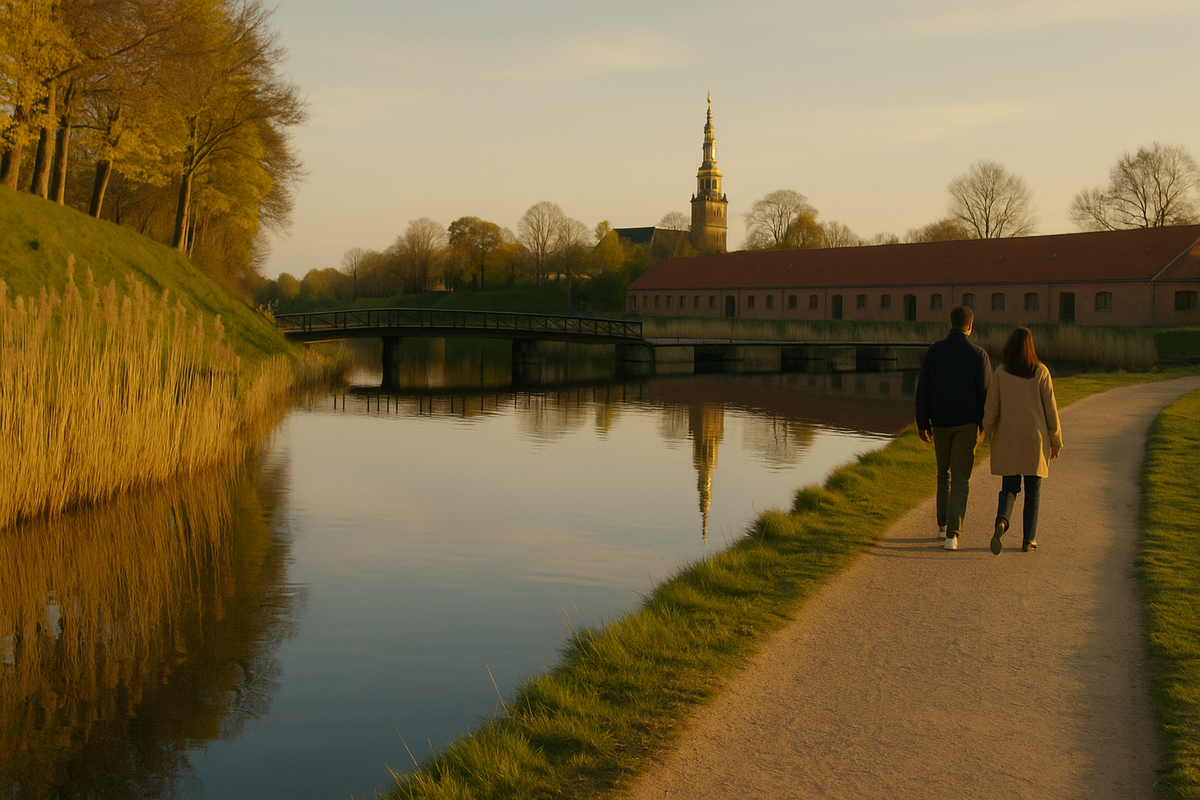
🌉 Islands Brygge / Christianshavn – living by the water
If you want to wake up by the harbour, look at modern architecture and walk across bridges, have a look at Islands Brygge and Christianshavn. Islands Brygge on the Amager side is modern, with a promenade and harbour baths; Christianshavn is older and more atmospheric, with canals and cosy streets. The centre is 1–2 metro stops away or 15–20 minutes on foot.
Good for:
– couples who enjoy water, SUPs and harbour walks;
– those who want a mix of modern architecture and central location;
– travellers open to more contemporary neighbourhoods.
🇳🇴 Oslo: compact centre, fjord and green western districts
Oslo is smaller than Copenhagen but just as compact: the interesting areas cluster around Oslo S (the main station), the Aker Brygge waterfront and the green districts of Frogner and Grünerløkka. The city is pleasant to cross on foot – many central streets are partly or fully pedestrianised.
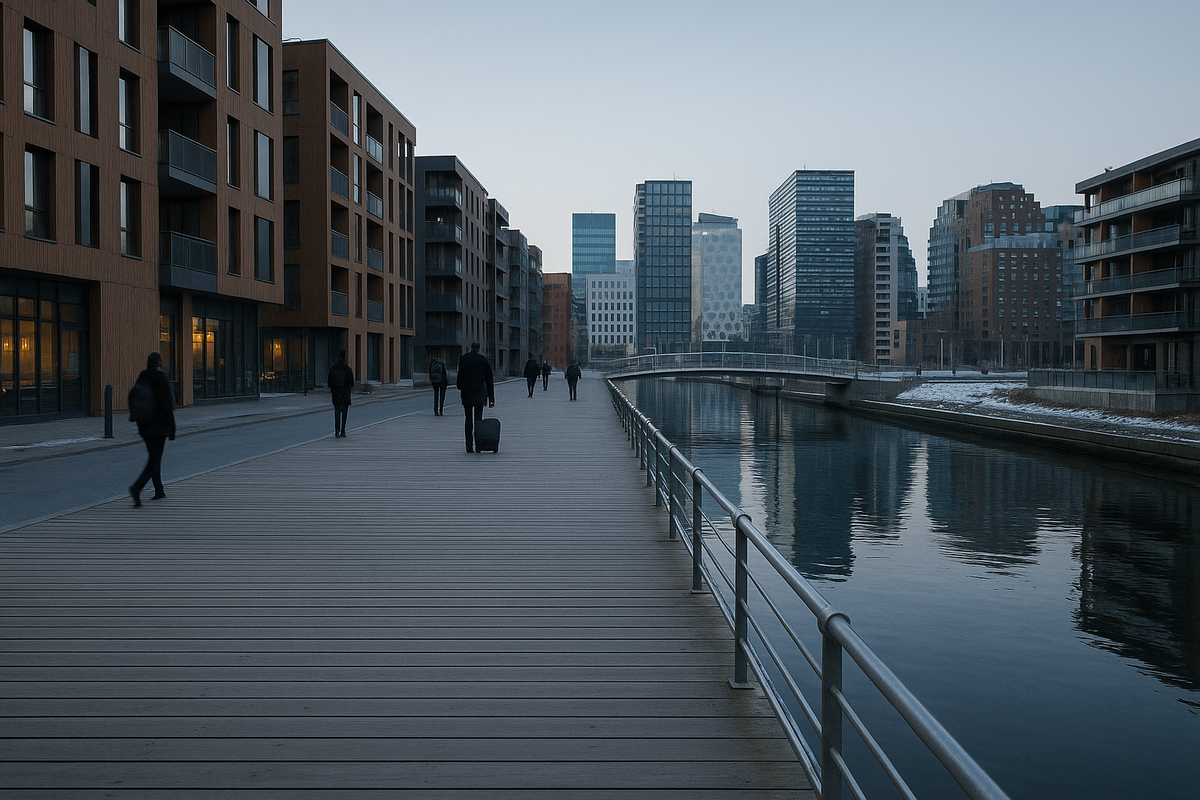
🏙️ Sentrum / Bjørvika – the most practical starting point
Sentrum is the business and transport heart: the station, Karl Johans gate, the Royal Palace, the Opera House and the new Bjørvika/Barcode waterfront. You are close to everything, but the feel can be a little “office‑y”.
Good for:
– first‑timers in Oslo on 2–3 day trips;
– travellers without a car who want to do everything on foot;
– business travellers who value logistics above all.
Pros:
– the station, airport express, metro and trams are right there;
– most museums and the fjordfront are 10–15 minutes’ walk away;
– very convenient for early trains and late returns.
Cons:
– little “home‑like” cosiness, many offices and malls;
– some streets are very quiet in the evenings.
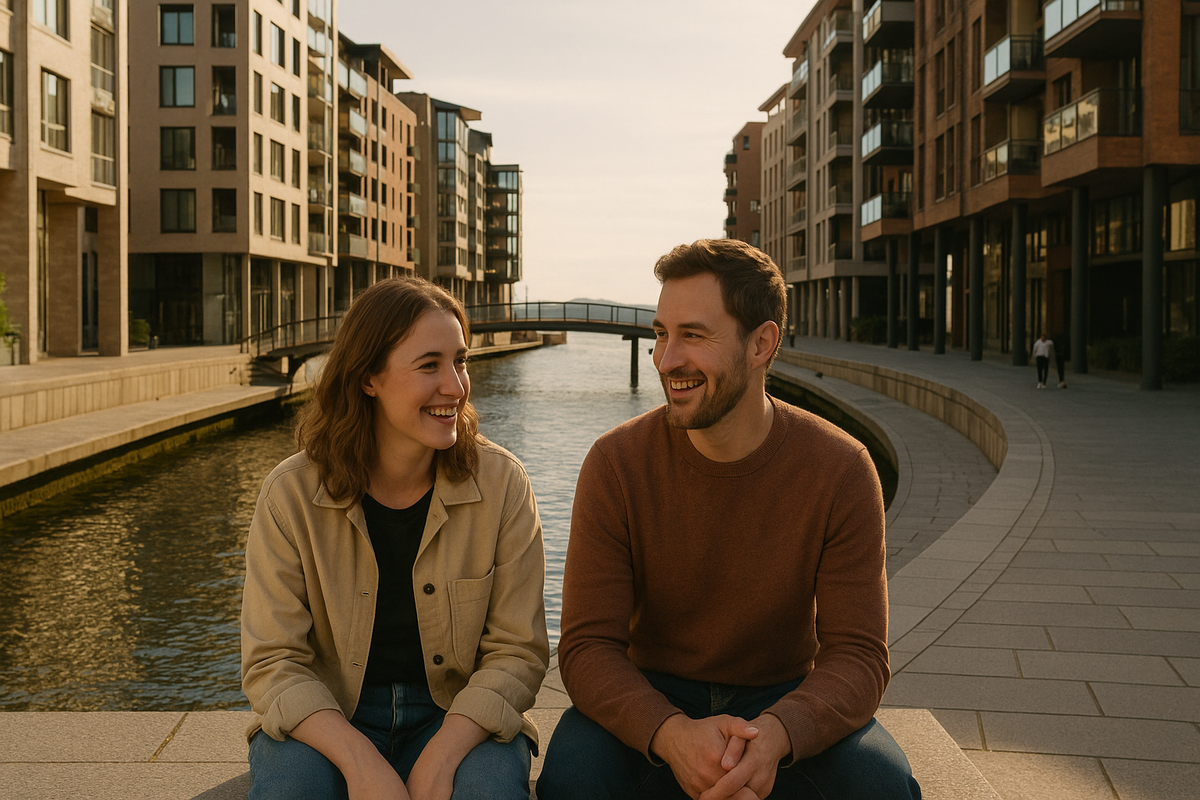
🌊 Aker Brygge / Tjuvholmen – fjord, architecture and restaurants
To the west of the centre are Aker Brygge and Tjuvholmen – modern waterfront areas with museums, galleries and restaurants. This is where you stroll along the fjord, drink coffee with a view of the water and watch the sunset.
Good for:
– couples who want views and good restaurants;
– fans of modern architecture and art;
– those who are happy to pay for a prime waterfront location.
Pros:
– 10–15 minutes on foot to the centre and station;
– close to museums, restaurants and the promenade;
– very pleasant by day and in the evening.
Cons:
– one of the most expensive areas for accommodation;
– a slightly “resort‑like” feel, less everyday Oslo.
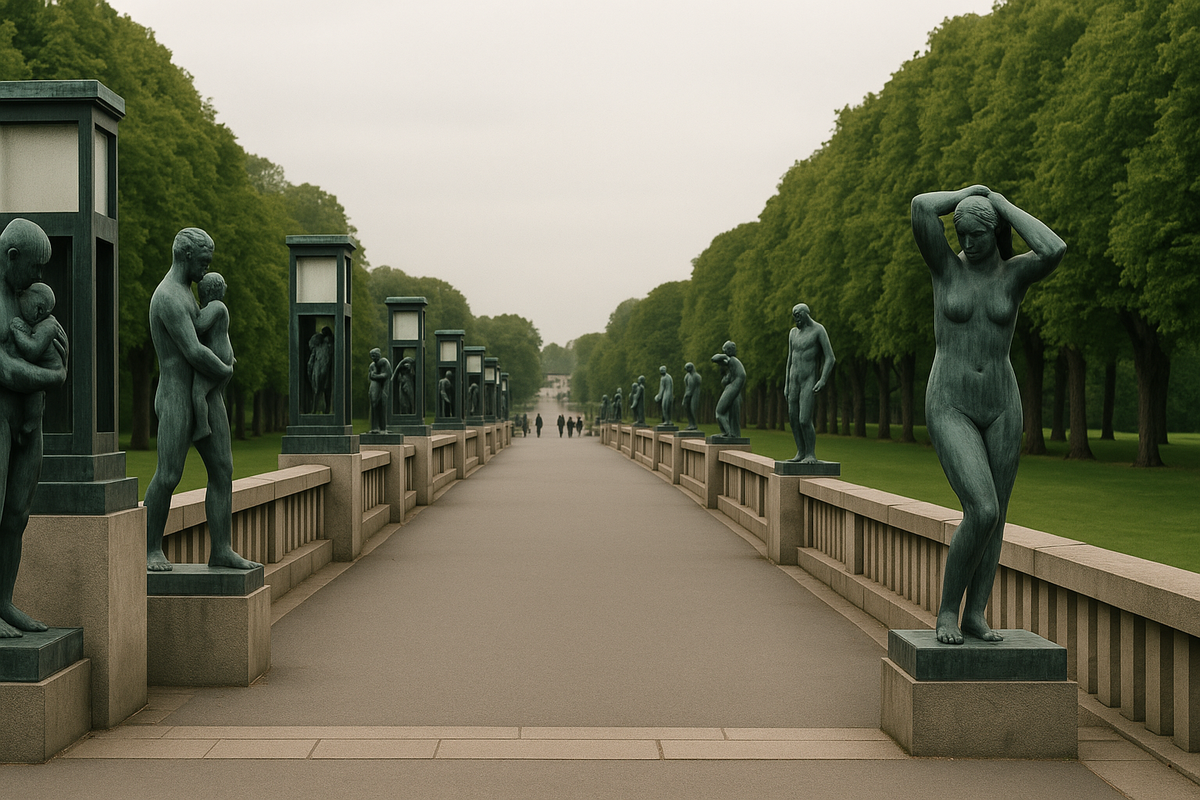
🌳 Frogner / Majorstuen – parks and classic West Oslo
A little further from the water but still close in are Frogner and Majorstuen. Here you find the famous Vigeland sculpture park, older buildings, quiet streets, cafés and shops. The area is popular with families and anyone who wants a more “local” lifestyle.
Good for:
– families;
– people who like parks and morning runs;
– those happy to take a 10–15 minute tram or metro ride into the centre.
Pros:
– green and calm, very safe;
– from Majorstuen and Nationaltheatret it is easy to get anywhere;
– strong “real city” feeling, not just central sightseeing.
Cons:
– you need to factor in transport time;
– less nightlife than in Aker Brygge or Sentrum.
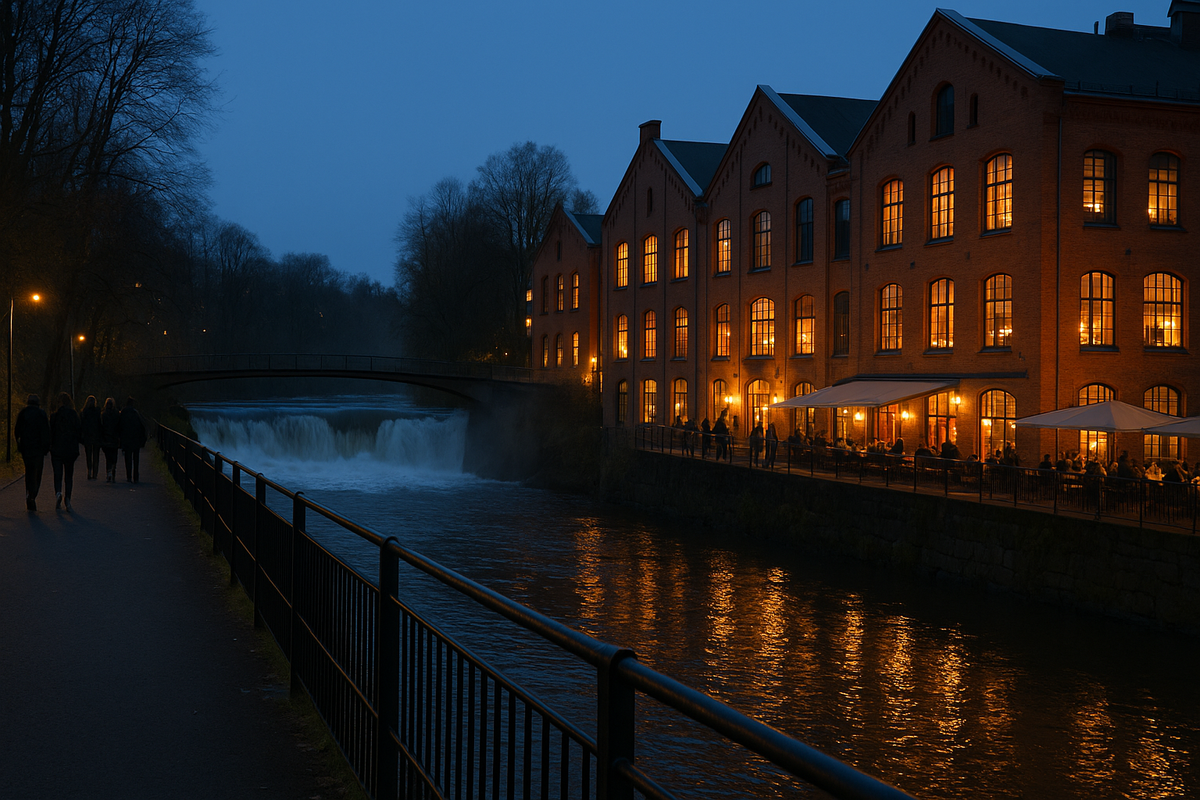
🎧 Grünerløkka – hipster evenings by the river
North of the centre is Grünerløkka: a creative, young district with bars, coffee shops, vintage stores and street art. Locals come here for evening life.
Good for:
– young travellers and couples who like bars, craft beer and gigs;
– those who have already visited Oslo once;
– budget‑minded travellers happy to ride trams.
Pros:
– busy nightlife, lots of local places;
– 10–15 minutes to the centre by tram or 25–30 minutes on foot;
– interesting architecture, riverside parks along the Akerselva.
Cons:
– noisy at weekends;
– visually less polished than the waterfront districts.
🇸🇪 Stockholm: a city of islands with very different characters
Stockholm sits on islands, and each island has its own personality. The Old Town, Gamla Stan, lies between business‑like Norrmalm and trendy Södermalm; green Djurgården is the island of museums and parks; Östermalm is all about quiet, upmarket streets.
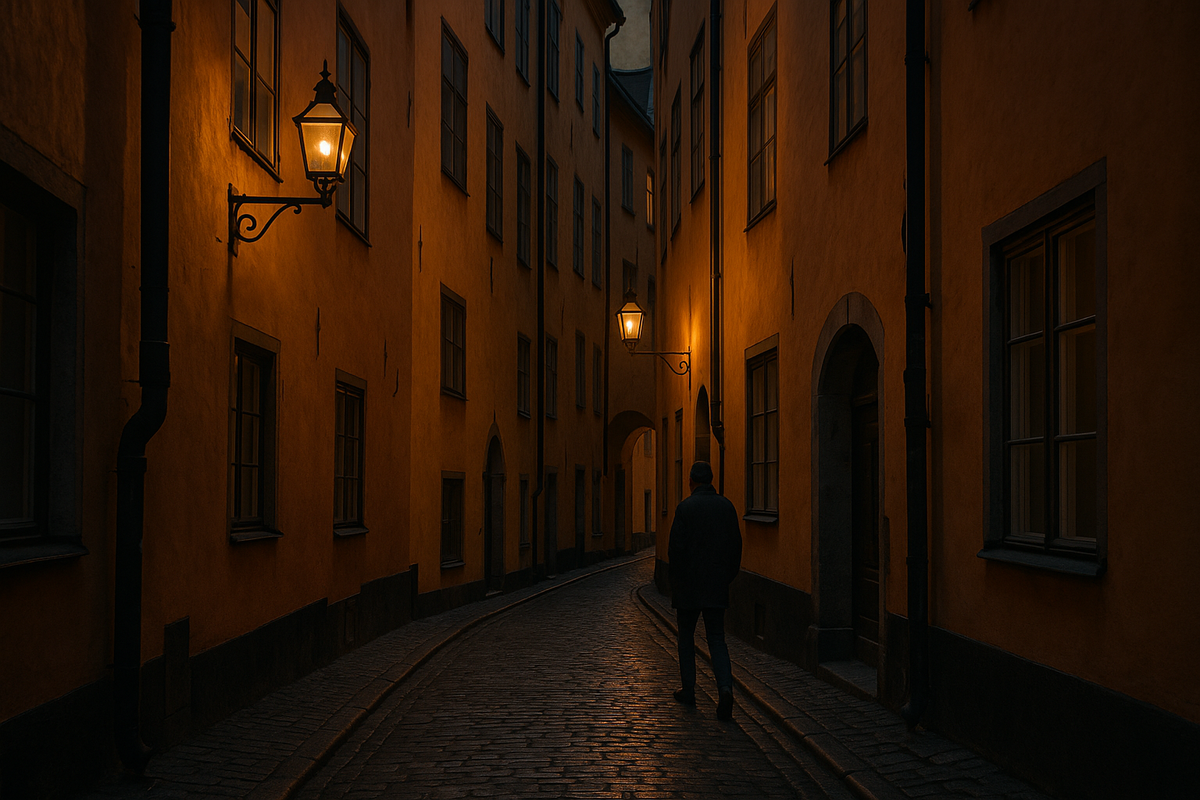
🏰 Gamla Stan – the Old Town between bridges
Gamla Stan is Stockholm’s medieval centre on an island linked by bridges to the rest of the city. Narrow cobbled lanes, the Royal Palace, small squares, Christmas markets in winter. The Central Station is about 10–15 minutes’ walk away.
Good for:
– anyone who wants to live “on the postcard”;
– couples who love atmospheric old streets;
– short 2–3 day trips.
Pros:
– all the classic sights and tours are right outside;
– easy to walk to Norrmalm and Södermalm over the bridges;
– beautiful in all seasons.
Cons:
– expensive and often small rooms;
– daytime crowds of tour groups;
– in winter cobbles can be slippery.
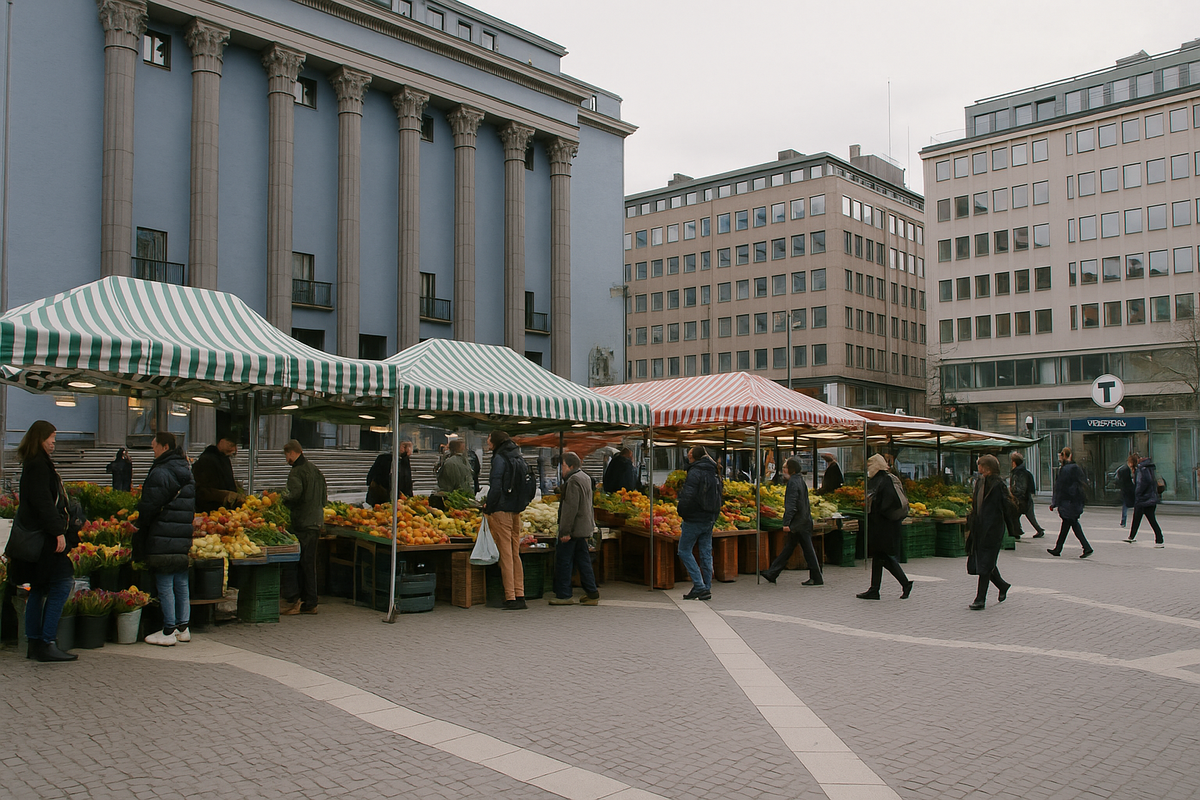
🏙️ Norrmalm / City – transport hub and shopping
Norrmalm is the business and shopping centre just north of Gamla Stan. Here you find the main station, big shopping streets and many hotels.
Good for:
– those who want maximum transport convenience (trains, airport buses);
– keen shoppers;
– travellers arriving late and leaving early.
Pros:
– the central station is beside you, great for day trips;
– wide range of accommodation at different price points;
– central between Gamla Stan and other islands.
Cons:
– more business‑like feel, fewer cosy lanes;
– some streets are crowded and noisy.
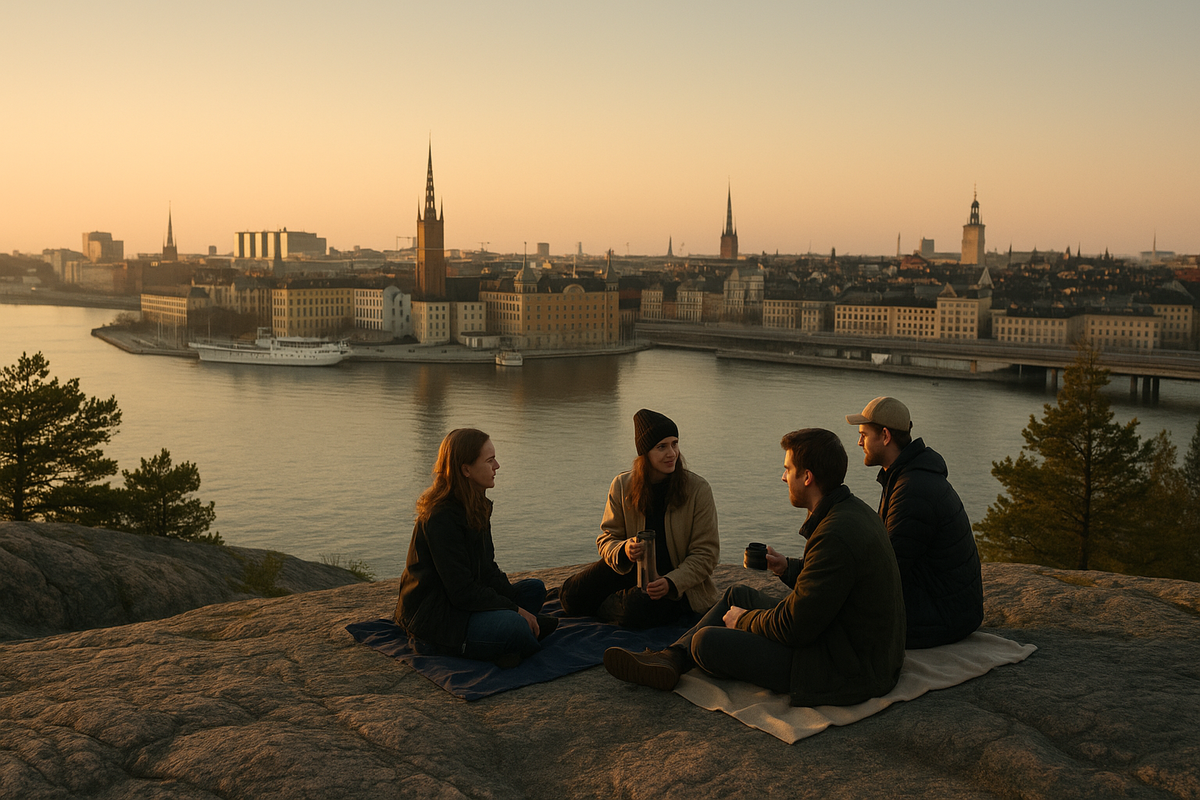
🎨 Södermalm – viewpoints, bars and boho
South of Gamla Stan is big island Södermalm, famous for its views of the Old Town, bars, vintage shops and relaxed atmosphere.
Good for:
– bar‑lovers and night owls;
– those who have already seen the “basics” and want to live more like locals;
– travellers who enjoy scenic walks and cosy cafés.
Pros:
– great bar and restaurant scene, especially around SoFo;
– viewpoints over Gamla Stan and the centre;
– 1–2 metro stops to central areas or 20–25 minutes on foot.
Cons:
– noisy in the evenings;
– hilly – be ready for climbs and descents.
💼 Östermalm – upmarket calm and evening quiet
East of Norrmalm is smart Östermalm with grand flats, wide streets and boutiques. It is calmer, very safe, with plenty of greenery and parks.
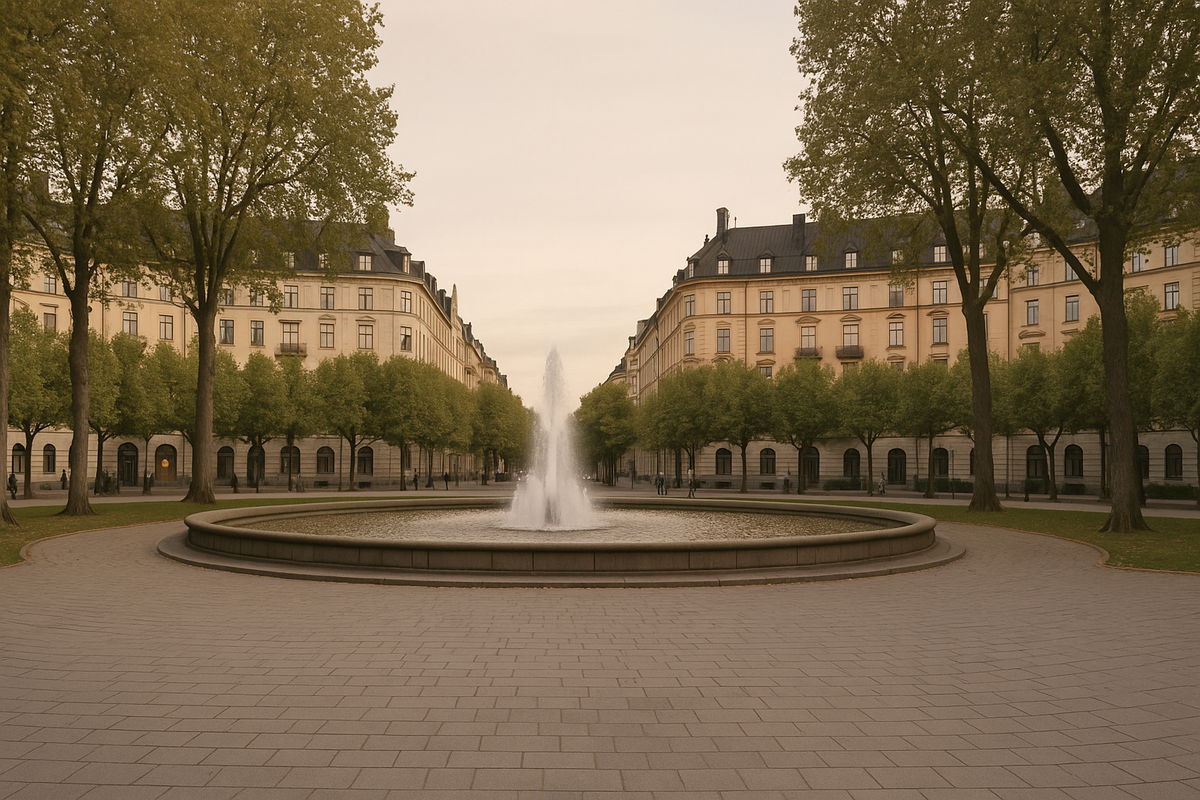
Good for:
– families;
– travellers who prefer comfort and peace;
– people who like waterfront and park walks.
Pros:
– safe and quiet, attractive architecture;
– convenient for both the centre and Djurgården;
– lots of higher‑end hotels.
Cons:
– above‑average prices;
– quieter at night than Södermalm.
🏝️ Kungsholmen – water, walks and slightly lower prices
West of the centre is Kungsholmen, known for its City Hall (Nobel banquet venue), waterfront paths and more relaxed atmosphere.
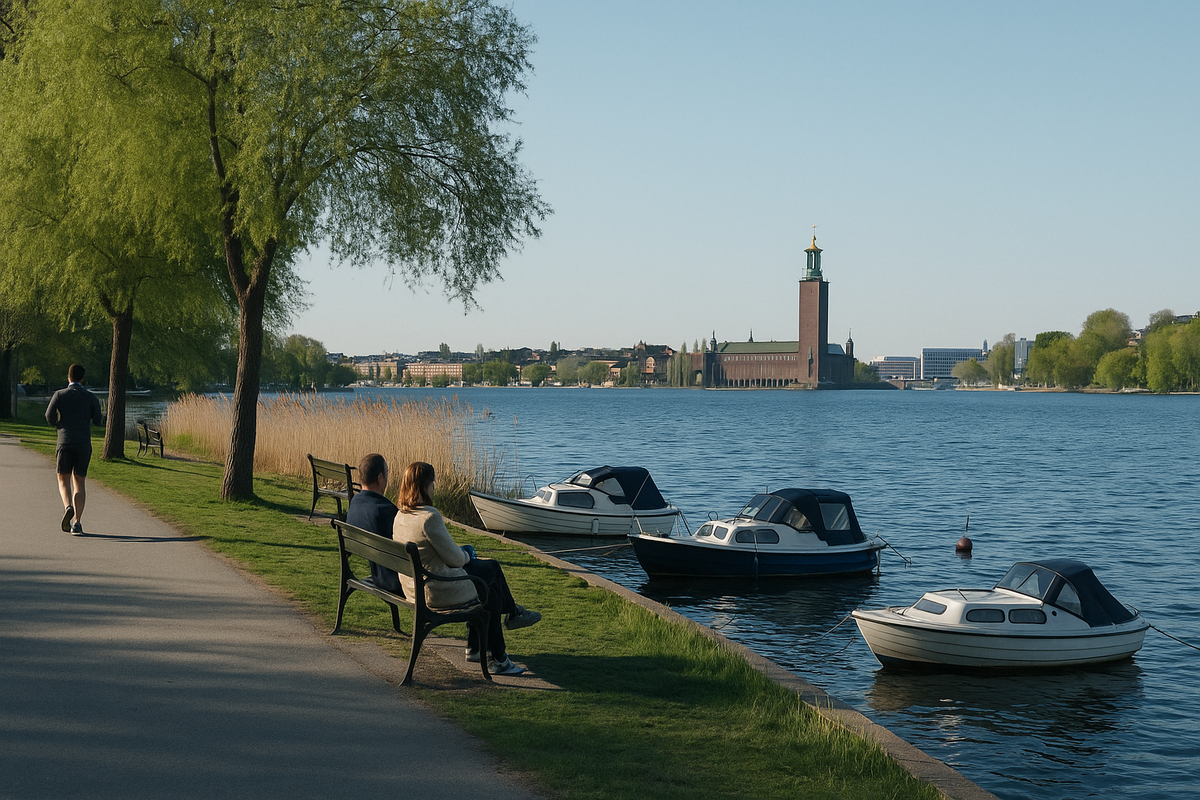
Good for:
– those who want calm but still be fairly close in;
– fans of walks by the water;
– mid‑budget travellers.
Pros:
– pleasant waterfronts and parks;
– 15–25 minutes’ walk to the station or a few metro stops;
– often a little cheaper than Gamla Stan or Norrmalm.
Cons:
– a bit further from the big museums on Djurgården;
– quieter at night than the bar districts.
🇫🇮 Helsinki: a tiny centre and distinct quarters around it
Helsinki is even more compact: the historic centre, main shopping streets, station and harbour fit into a 15–20 minute walk. Central Kluuvi merges into Kamppi, and around them are their own worlds: bohemian Punavuori, more affordable Kallio, calm Töölö.
🏛️ Kluuvi – the most straightforward “first time” base
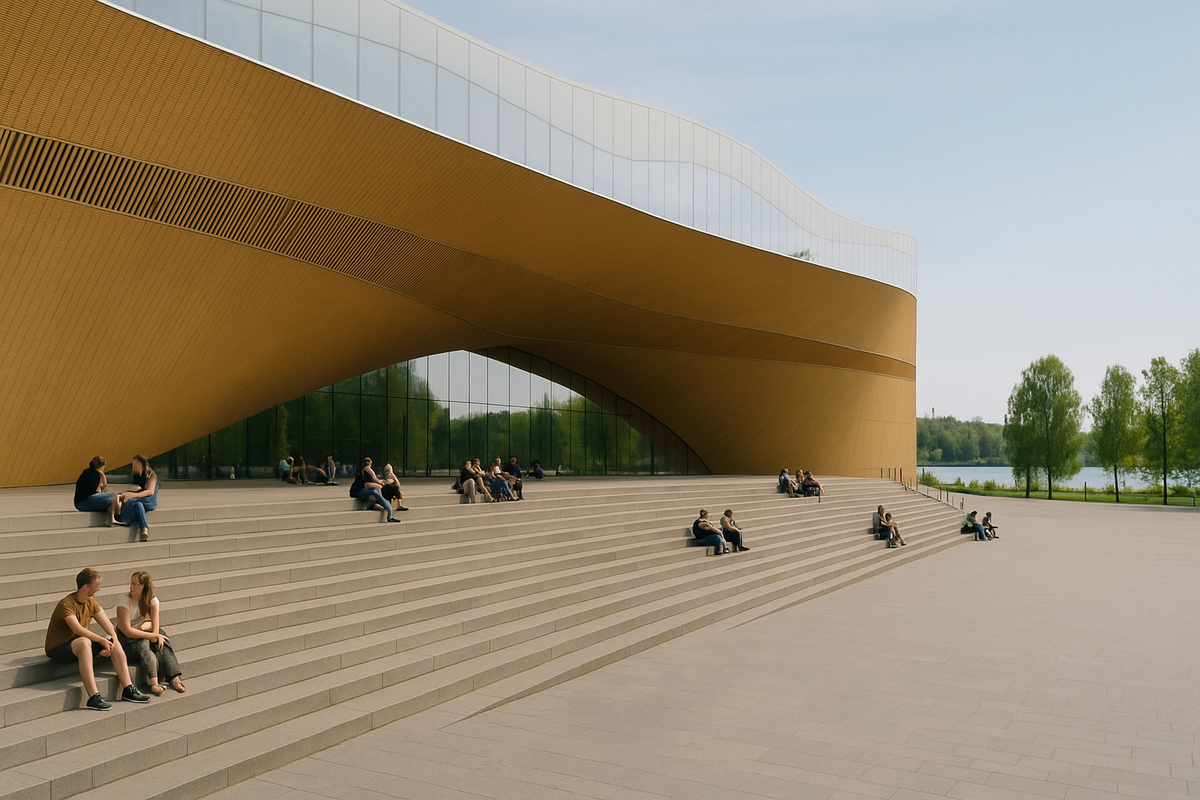
Kluuvi is the heart of Helsinki: main square, Central Station, big department stores, the Museum of Contemporary Art and shopping streets. For a first visit, this is the simplest and most intuitive choice.
Good for:
– travellers with 1–3 days in the city;
– those without a car;
– museum and shopping fans.
Pros:
– station and airport trains virtually next door;
– key sights are within walking distance;
– convenient starting point for trips across Finland.
Cons:
– business and shopping ambience;
– evenings can feel quieter than in some neighbouring quarters.
🚉 Kamppi – modern centre and nightlife
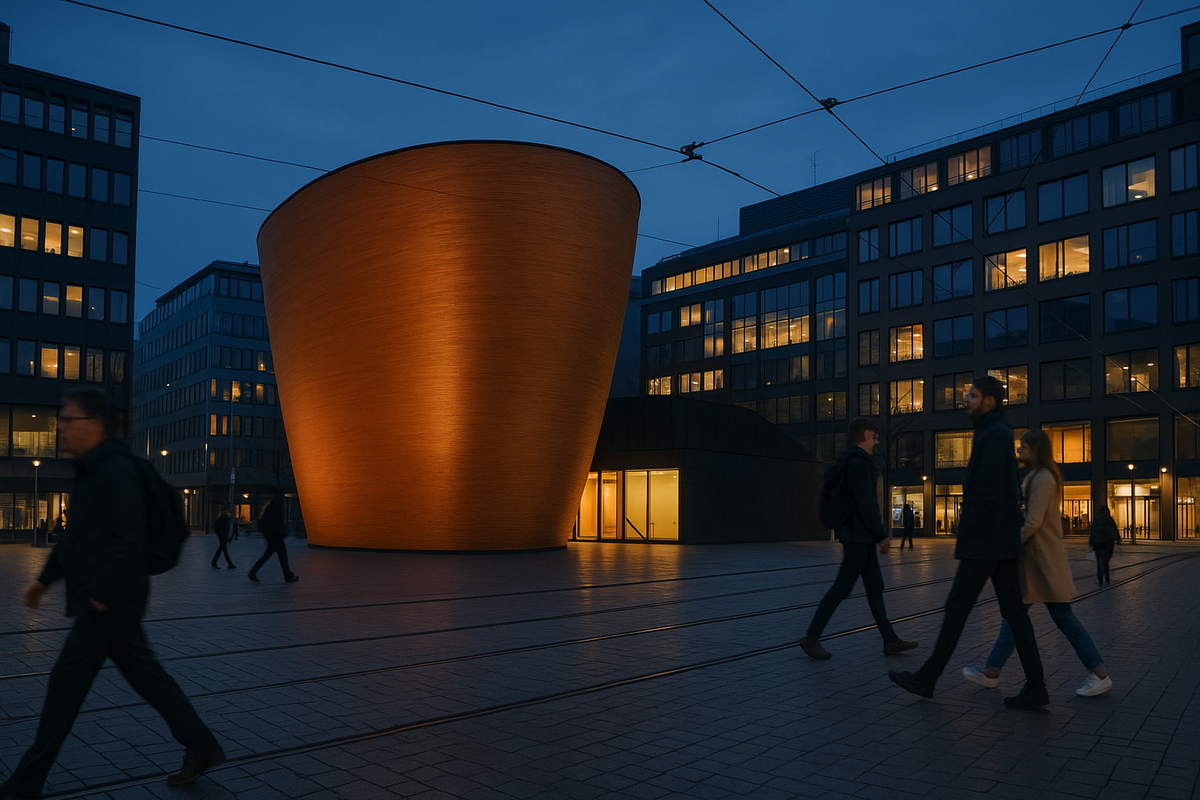
Immediately west of Kluuvi lies Kamppi: a big shopping centre, main bus terminal, restaurants, bars and nightlife. It looks more modern than the historic core but is just as convenient.
Good for:
– those who want a mix of central convenience and nightlife;
– younger travellers and couples who enjoy bars and restaurants;
– anyone who needs easy access to intercity buses.
Pros:
– excellent transport hub (buses, metro, trams);
– many restaurants and bars;
– 10–15 minutes’ walk to the harbour and historic centre.
Cons:
– noisier in the evenings;
– less postcard‑like architecture.
🎨 Punavuori / Design District – style, cafés and walks to the sea
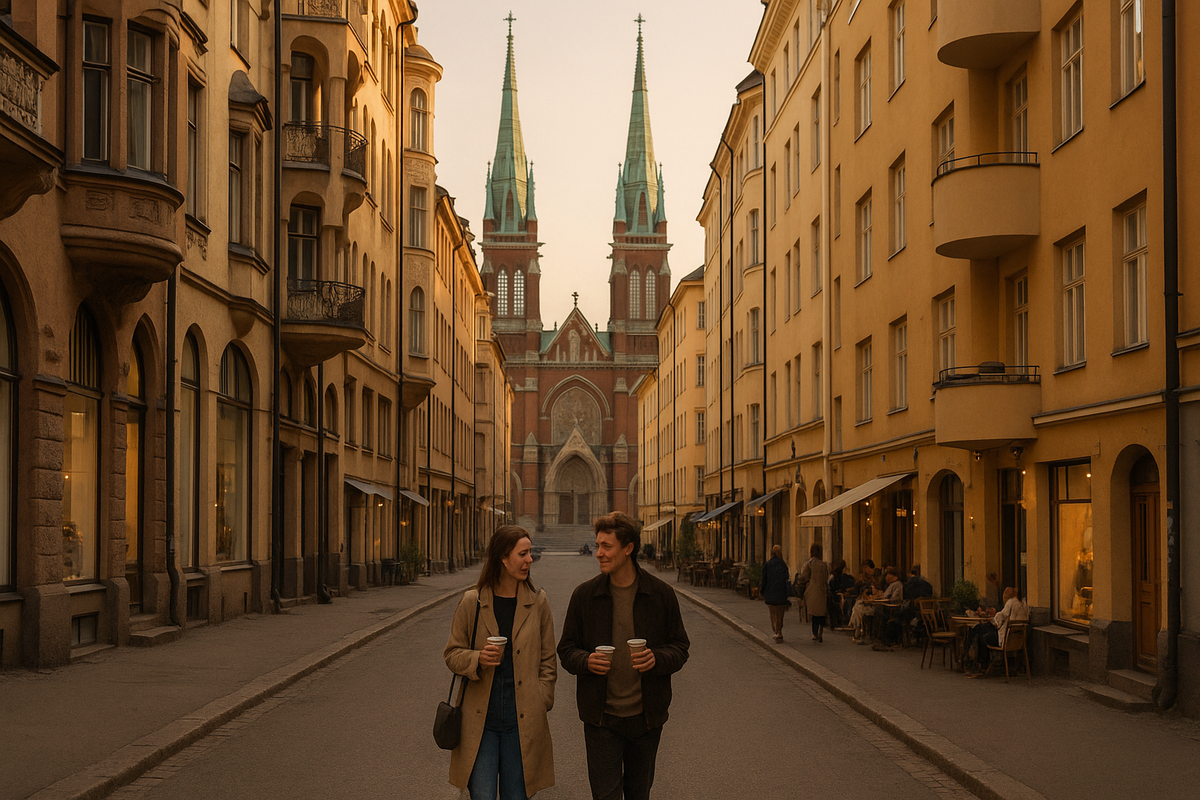
South of the centre are Punavuori and the Design District: an area full of design shops, galleries, cosy cafés and handsome old buildings. It’s an easy walk from here to Kaivopuisto park and seaside paths.
Good for:
– couples and travellers who value atmosphere and design;
– café‑hoppers and fans of small independent shops;
– those who like to do most things on foot.
Pros:
– very pleasant area for wandering;
– 15–20 minutes’ walk to the centre and station, or a short tram ride;
– safe, with a “big village” feel.
Cons:
– accommodation can be pricier;
– more flats and boutique hotels than big chains.
💸 Kallio – budget‑friendly, hip and a bit rougher at night
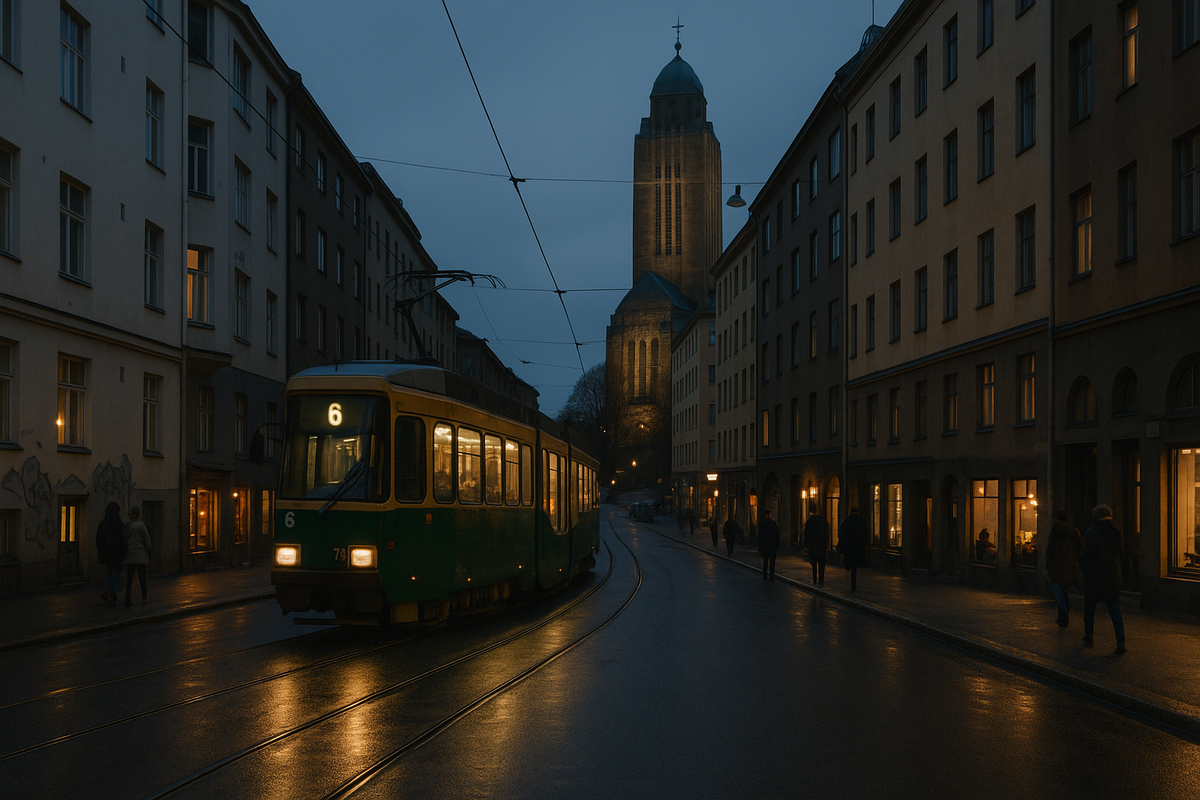
Across the bay to the north‑east of the centre lies Kallio: a former working‑class area turned affordable, slightly edgy hipster district. Bars, vintage shops and street art sit alongside everyday flats.
Good for:
– budget‑minded travellers;
– fans of alternative bars and a “raw” city feel;
– people happy to ride tram/metro for 10–15 minutes.
Pros:
– noticeably lower prices for food and accommodation;
– lively nightlife;
– 10–15 minutes into the centre by tram, walking distance if you don’t mind a longer stroll.
Cons:
– louder in the evenings, especially at weekends;
– can feel less cosy than Punavuori or Töölö.
🌿 Töölö – parks, waterfront and quiet streets
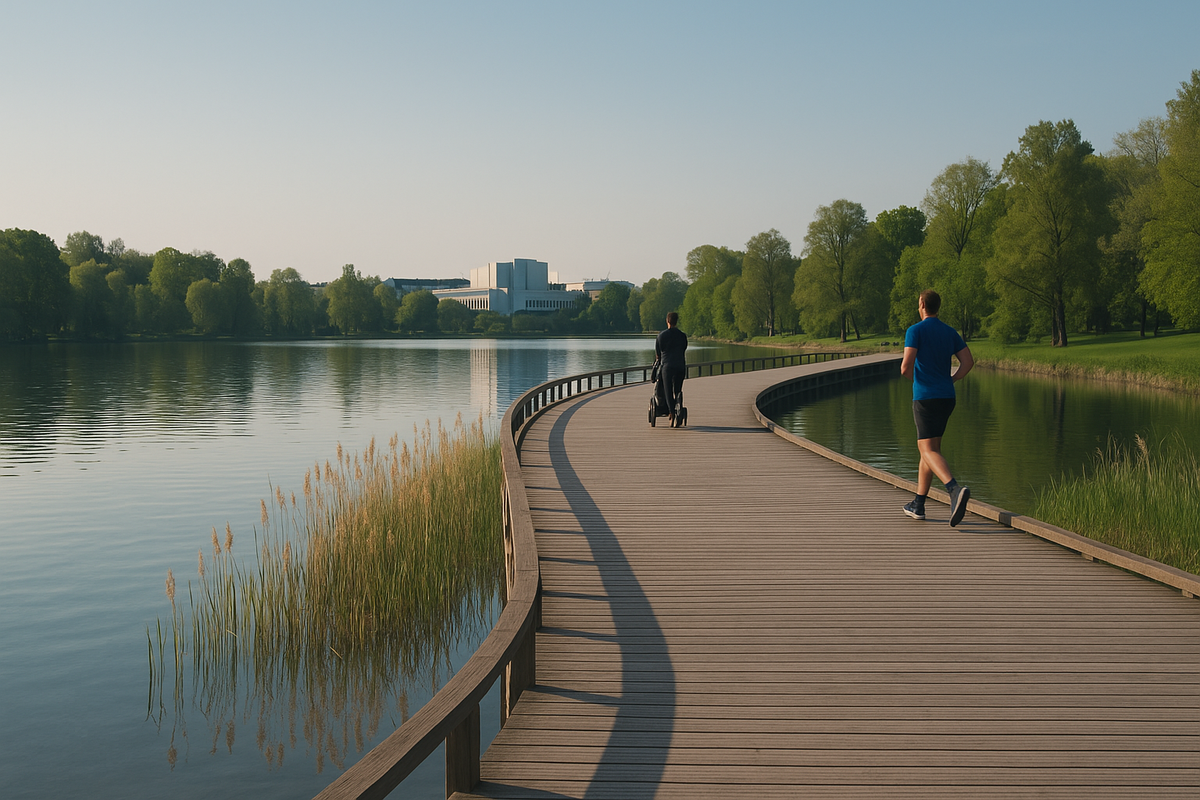
Töölö is a green district north‑west of the centre, near Töölönlahti Bay, the Olympic Stadium and the famous Temppeliaukio “Rock Church”. Locals live here; it is calm, with parks and access to the water.
Good for:
– families;
– runners and park‑walk lovers;
– travellers who prefer calm but still want to be 15–20 minutes from the centre.
Pros:
– very safe, lots of green space;
– scenic walks along the bay and through the parks;
– 10–15 minutes to the centre by tram, or 20–25 on foot.
Cons:
– fewer bars and night‑time options;
– slightly longer to reach some central museums.
Comparison table of neighbourhoods
| City | Best first‑time areas | Best for families | Best for bars / nightlife | Budget‑friendly but convenient |
|---|---|---|---|---|
| Copenhagen | Indre By, Vesterbro (near Central Station) | Østerbro, quieter parts of Vesterbro | Vesterbro, Nørrebro | Nørrebro, parts of Amager |
| Oslo | Sentrum, Bjørvika, Aker Brygge | Frogner, Majorstuen | Grünerløkka, parts of Sentrum | Grünerløkka, residential areas along tram lines |
| Stockholm | Gamla Stan, Norrmalm | Östermalm, parts of Kungsholmen | Södermalm | Kungsholmen, Vasastan |
| Helsinki | Kluuvi, Kamppi | Töölö, parts of Punavuori, Katajanokka | Kamppi, Kallio | Kallio, residential districts close to tram/metro |
Simple “area picker” by profile
📌 Area picker: city + traveller type
Select a city and your travel style to see example areas to start your accommodation search.
❓FAQ
On a short visit every hour counts. If you spend 20–30 minutes each way getting to the main sights, over three days that becomes several lost hours. For 2–3 days it is better to choose central districts: Indre By or Vesterbro in Copenhagen, Sentrum/Bjørvika in Oslo, Gamla Stan/Norrmalm in Stockholm and Kluuvi/Kamppi in Helsinki.
Overall, the districts described in this article are considered safe for visitors with normal common sense. More upmarket and family‑oriented areas – Østerbro in Copenhagen, Frogner/Majorstuen in Oslo, Östermalm/Kungsholmen in Stockholm and Töölö/Punavuori in Helsinki – are particularly comfortable in the evenings. “Bar” areas like Grünerløkka, Södermalm or Kallio are simply livelier and noisier, not automatically dangerous.
Not at all. Central districts usually have very good infrastructure: parks, playgrounds, cafés, easy public transport. The key is the specific street: if your windows face a bar strip, it will be noisy. For a calmer family stay almost every city has a “golden middle”: Vesterbro or Østerbro in Copenhagen, Frogner in Oslo, Östermalm/Kungsholmen in Stockholm, Töölö in Helsinki.
First, check how many minutes on foot it is from the hotel to the main station or central square (10–25 minutes is a good benchmark). Then switch to satellite view and look at what is around you: residential buildings, parks and water are good signs; warehouses, wasteland and major roads are a warning. It also helps to look through guest photos and reviews – they show the real street and entrance.
If the journey to the centre takes 10–15 minutes by metro or tram, there is usually no problem – as long as services are frequent and run late. In Copenhagen, Oslo, Stockholm and Helsinki, the main districts discussed above are well served by public transport. Once journeys stretch to 30–40 minutes with changes, it starts eating into your day – especially in winter when daylight is short.
If you know you’ll be coming back late, it is more practical to live in the bar area so you can walk home: Vesterbro/Nørrebro in Copenhagen, Grünerløkka in Oslo, Södermalm in Stockholm, Kamppi/Kallio in Helsinki. If bars are only one part of your plans and museums and walks are the priority, a central base with a short evening ride to the bars is more comfortable.
Prices vary a lot by season, but many travellers note that in Helsinki and Stockholm it is slightly easier to find affordable rooms within walking distance of the centre than in Copenhagen and Oslo. That said, everywhere there is a trade‑off: a simpler hotel in a very convenient location or a more comfortable hotel 10–20 minutes out.
Yes: for a first visit to any Scandinavian capital, start by choosing a district that is close to the station/metro and to the main sights – and only then think about “atmosphere” and style. It is better to pay a little more for location than to spend your holiday on trains and buses trying to reach the places you actually came to see.

0 comments
Log in to leave a comment