


🇩🇰✨ Denmark in Winter: a long-read story about Christmas miracles, Nordic rituals, and places where “wow” isn’t an effect—it’s a state of mind
Denmark in December is not “a country where it’s cold.” It’s a country where the cold is designed: it has the scent of cinnamon and woodsmoke, the sound of footsteps on damp cobblestones, the glow of a candle behind thin glass, and the taste of the sea—somehow saltier precisely when the days are shorter.
Here, winter doesn’t pause life—it changes its tone. Daytime is a silver hush; evening is a golden burst of lights. And in that shift of light, the main thing is born: the feeling that you’ve come not just for a holiday, but for a season in which the landscape plays along. Where an amusement park becomes a fairytale for adults, a museum becomes a time machine, a bridge becomes a walk through air, and the sea becomes a culinary adventure at low tide.
This text is not an “itinerary in 3 days.” It’s a big, story-like showcase: so a reader can find ideas, inspiration, and real specifics—what to see, what to try, what to feel in each place. Christmas schedules change year to year, but the formats (and the magic) remain—and that’s what this long-read is about.
🗺️ Interactive map of the places in this article
🎬✨ Prologue: how Denmark turns December into cinema
Some countries “decorate cities” for the holidays. Denmark does something subtler: it decorates the darkness. It gets dim early here, and that’s why every lantern, every shop window, every string of lights is not just décor—it’s a way to say: “We notice light. We know how to keep it.”
That’s exactly why the Christmas–New Year season in Denmark is one of the best times to look for unusual experiences: in December they don’t feel like “tourist shows.” They feel like part of the country’s rhythm—part of a habit of celebrating when it’s damp, chilly, and windy.
Below are places and winter activities that shape this season. Some are famous, yet in winter they open in a new way. Others are slightly hidden. And some sound so strange you’ll want to check them yourself: a sauna in an industrial harbor? a bridgewalk 60 meters up? an oyster safari? Yes. Denmark can do that.
🎡✨ Tivoli Gardens: a Christmas park where adults quietly become children again
Tivoli in December is not “an amusement park with lights.” It’s a city inside a city that starts living by fairytale rules for the season: everything feels a touch amplified—brighter lights, warmer music, sweeter scents, softer faces.
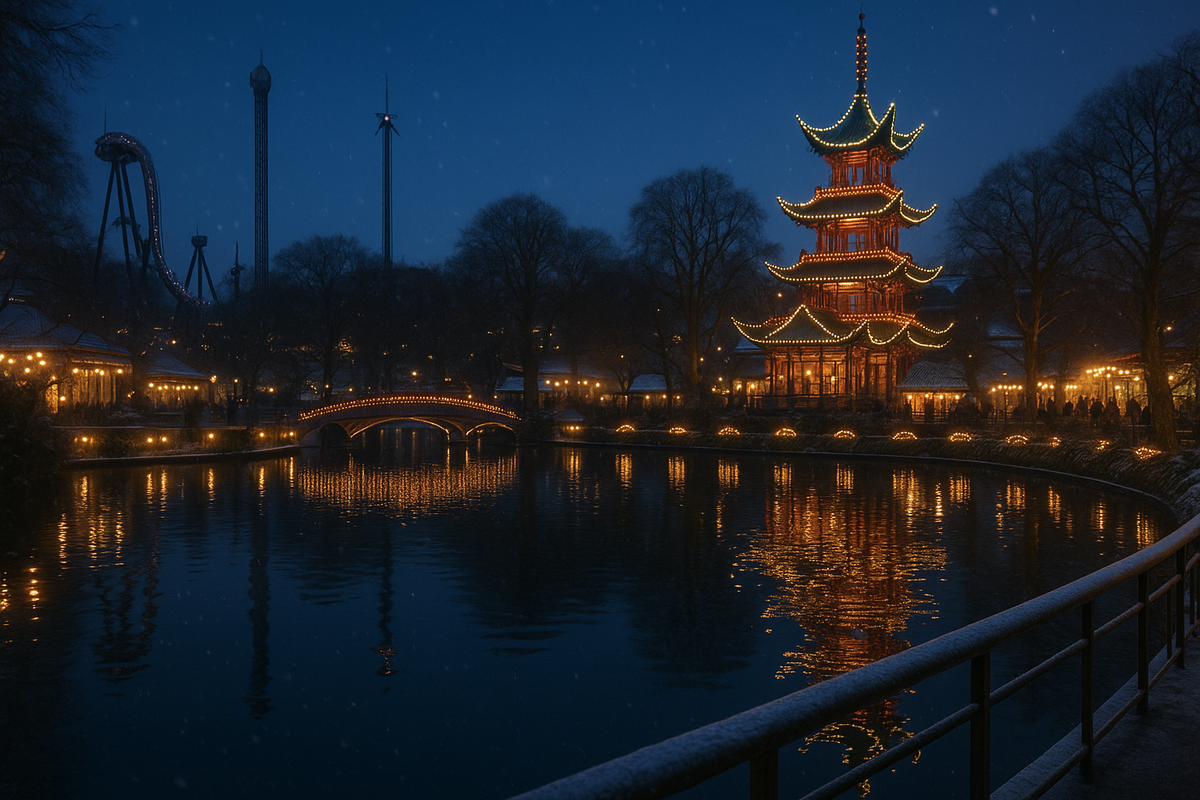
🎠 What makes winter here so special
In Tivoli, it’s not only the rides (though they do act like a portal to childhood) but the layering of impressions. One evening can shift between genres.
What to see and feel:
- Christmas décor and illumination — Tivoli is known for turning light into an atmosphere, not just a string of bulbs: it hangs in the air like a drawing.
- Market stalls with seasonal tastes: hot drinks, sweets, spices—here you understand why northern Christmas smells of cinnamon.
- Ice skating and winter stages: parts of the park become spaces where you don’t only watch—you participate, glide, stroll, photograph, “live inside” the décor.
- Rides against a sea of lights: in winter they feel less like adrenaline and more like a carousel made of wind and glow.
🌙 Why Tivoli feels especially cinematic
Because you’re walking inside scenery that doesn’t pretend to be “ordinary.” It honestly says: “Yes, this is a fairytale.”
And that—quietly—is a rare luxury for an adult.
🏘️🕯️ Den Gamle By (Aarhus): Christmas that changes eras right under your feet
Some places make the holidays a display window. Den Gamle By makes them a time machine—and you step in without a “ticket to the past,” simply by taking a turn down a street.
This open-air museum is built from real buildings from different centuries. Winter makes it even stronger: cold air and early darkness help you believe you’ve truly slipped into another time.
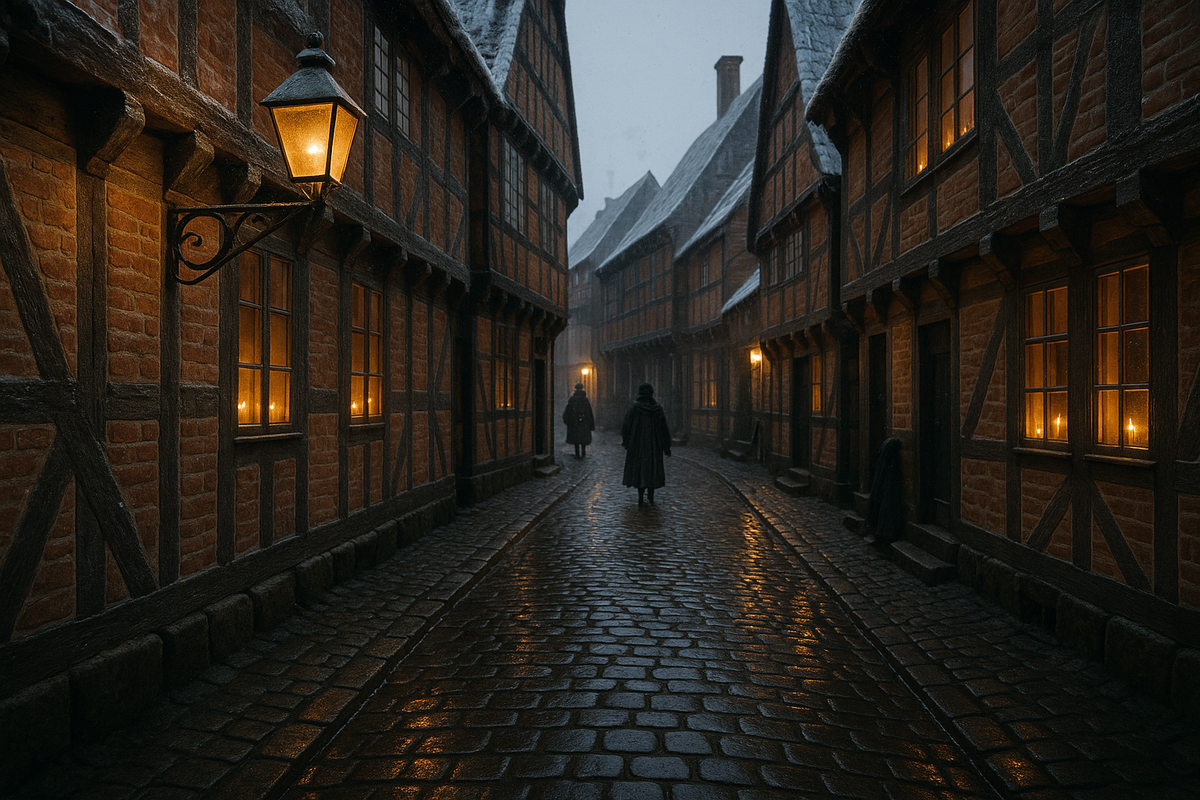
🕰️ What you can “see inside history”
Den Gamle By doesn’t offer one Christmas image, but several—as if you’re paging through an album of decades.
What to do and what to look for:
- Christmas interiors from different periods: how homes were decorated, what people were proud of, what went on the table—here the holiday reads like a cultural code.
- Street details and craft textures: it doesn’t need loud “animation.” Sometimes candlelight, timber scent, and old signage are enough.
- Winter evening formats (on select dates): when the museum runs special Christmas evenings, the space works like theatre—darkness turns every window into an event.
- Museum shops and cozy corners where you can buy not a “souvenir,” but something that carries an era’s feel.
❄️ Why it’s “wow” precisely in winter
Because in the cold, the past feels closer. You don’t just learn facts—you feel how people warmed themselves with light, literally.
🏰🎭 Kronborg Castle: Hamlet’s fortress where the Christmas market sounds like a legend
Kronborg stands by the water as if it were built from wind and salt. It isn’t just “beautiful.” It is imposing—like a pause in conversation that makes you lower your voice.
When a Christmas market appears in such a place, a rare effect happens: coziness doesn’t fight stone—it highlights it.
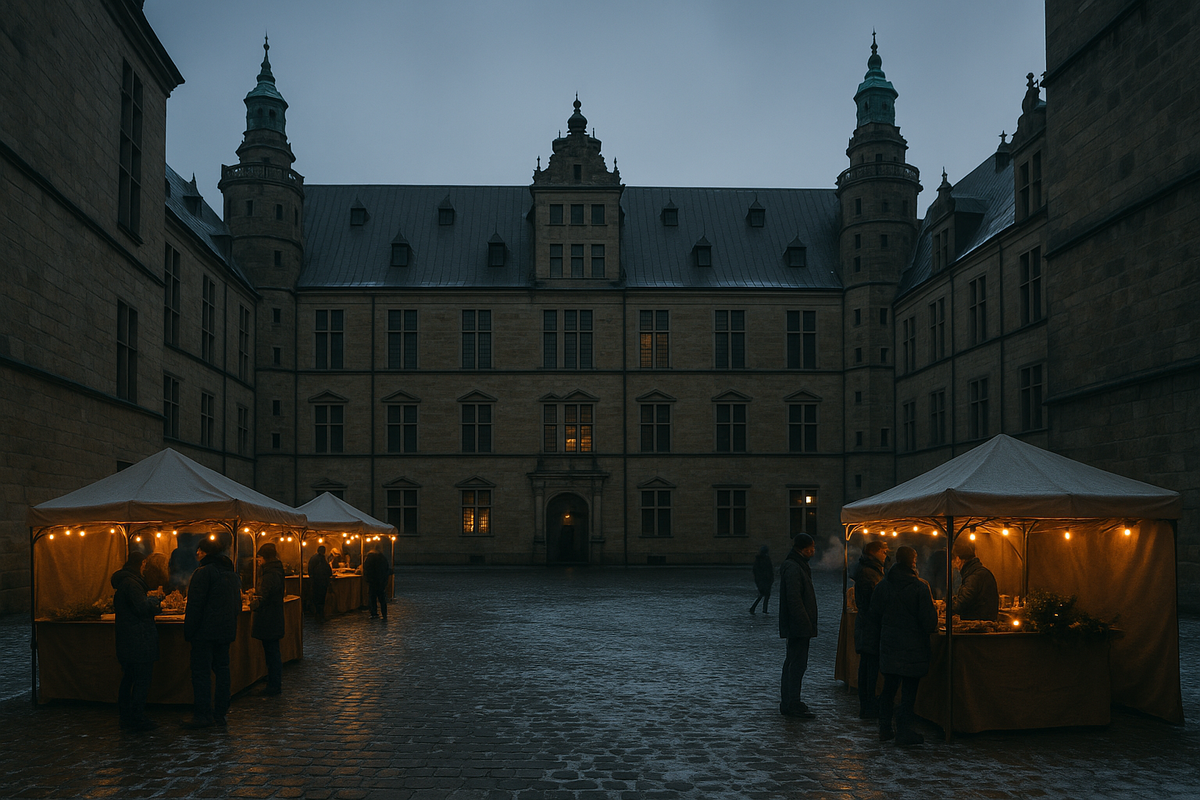
👑 What to do here besides “just see a castle”
Kronborg gives you several layers of experience.
Ideas for what to seek in and around the castle:
- Christmas stalls and market spaces (seasonal): crafts, seasonal treats, holiday motifs that look especially striking against strict architecture.
- Halls and interiors where you feel the scale of royal Denmark—not glossy, but real, cool, stone.
- Bastion walks and views over the strait: where Denmark faces Sweden, the horizon becomes a northern threshold of light.
🎟️ What makes winter Kronborg unique
Contrast: outside—sea wind and steel-gray sky; inside—warmth, lights, human presence. The holiday becomes not noise but a ritual.
🧝♂️🏰 Egeskov Castle: a Christmas fairytale on Funen—and an “elf hunt”
Egeskov looks like it was designed for December. It has that rare quality called “fairytale”—not cartoonish, but architectural: bridges, water, a silhouette made for postcards.
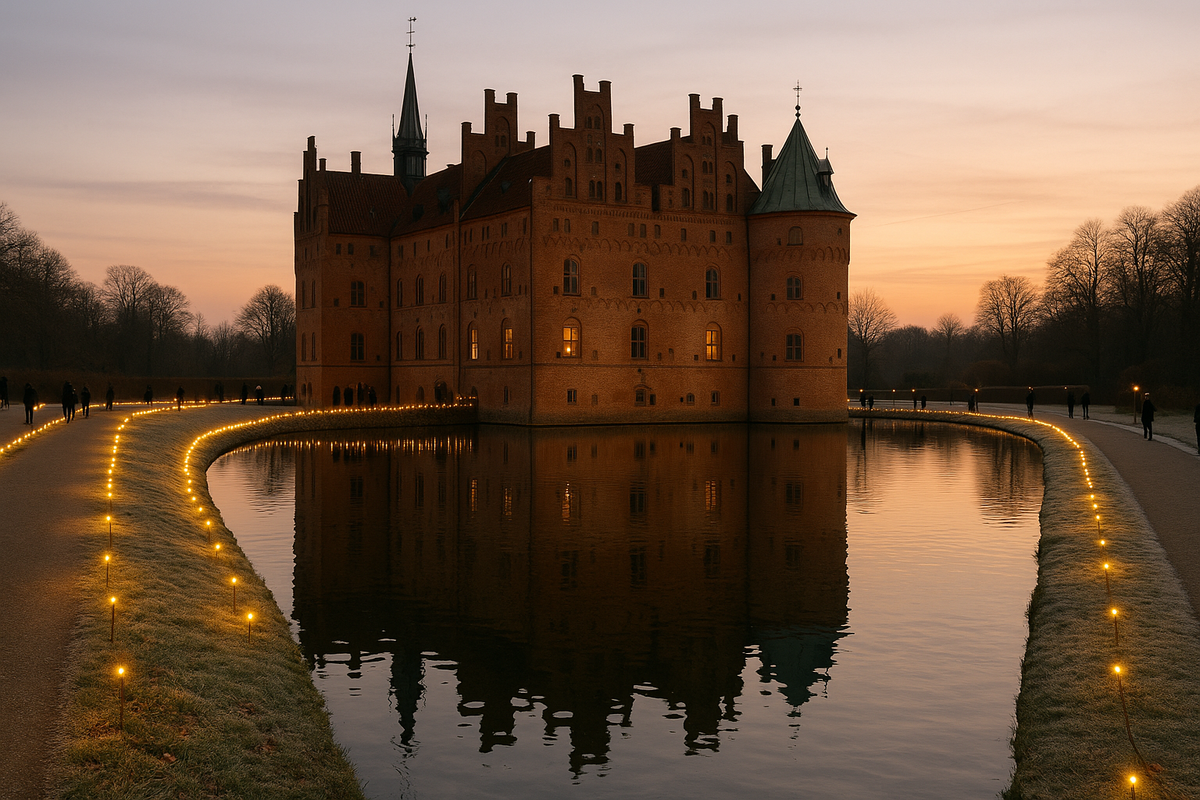
🧭 What you can see and do in the Christmas season
Egeskov often shines in two directions: a market and a family game.
What to look for:
- A Christmas market: craft stalls, seasonal food, gifts that feel like atmosphere, not clutter.
- Decorated spaces (depending on the year’s program): Christmas rooms, displays, holiday design details.
- Elf Hunt: a format that turns a walk into a quest. Even without children, it creates a “living fairytale” feel—small clues appear, and the castle stops being static.
🪄 Why Egeskov wins adults over
Because it returns the right to play. An adult mind gets tired of being rational—and here it’s given a gentle reason to wonder again.
🎄🏛️ Gavnø Castle: a Christmas exhibition in aristocratic hush
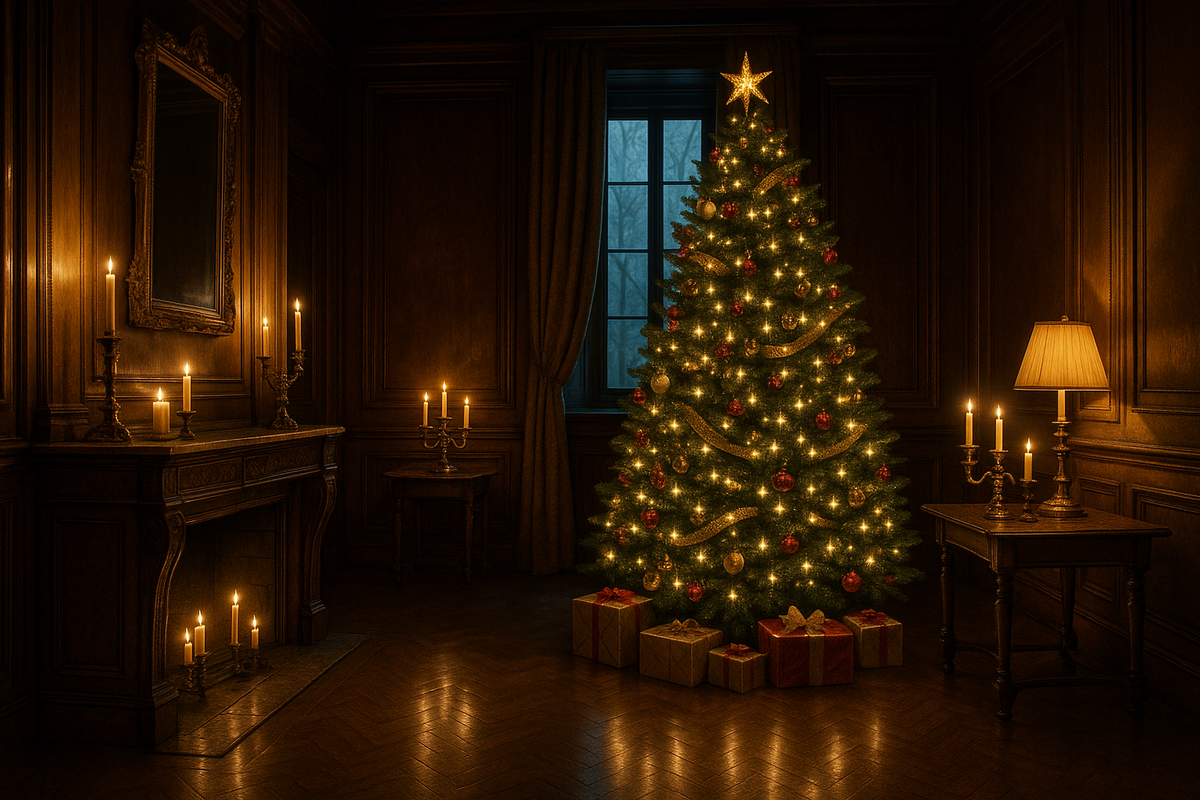
Gavnø is a different timbre. If Tivoli is a holiday-firework, Gavnø is a holiday-whisper. Here, Christmas events feel less like a mass attraction and more like an invitation into a historic home, where what matters isn’t the number of lights but the quality of light.
🕯️ What’s interesting at Gavnø in winter
- A seasonal exhibition / market format (on certain dates): decorative ideas, holiday goods, and an “interior Christmas” mood.
- Historic rooms: in places like this, Christmas looks especially beautiful—scaled correctly for classic halls.
- Coziness through intimacy: the value of Gavnø is the sense you’ve seen the holiday not on a square, but inside an old story.
🧱🎢 LEGOLAND Billund: Christmas magic built from bricks
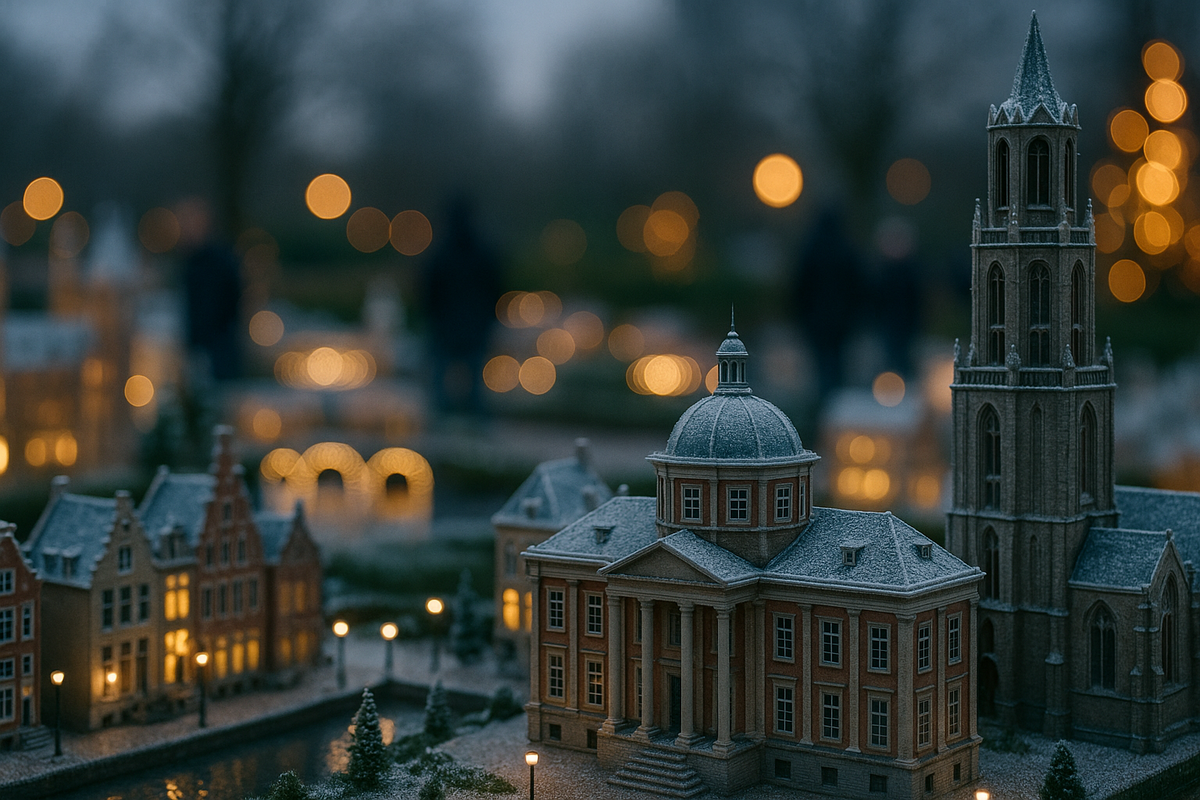
In some places, Christmas is décor. In LEGOLAND, Christmas is a construction kit of mood: it looks like someone assembled the holiday by instructions—and then added imagination at the end.
🎁 What to do here in winter
Winter programs differ from summer: some activities are seasonal, but a special Christmas storyline appears.
Ways to fill the day:
- Holiday-themed zones where décor invites slow looking—like a miniature city.
- Seasonal shows and activities: Christmas narratives, games for kids, and sometimes build-and-create challenges.
- Miniland in winter feels different: details stand out more against cold light.
🧠 Why it’s useful not only for kids
Because LEGO is a language. It says the world can be rebuilt—even at the end of a year.
🧩🏠 LEGO House: an interactive “factory of joy” that feels especially meaningful in December
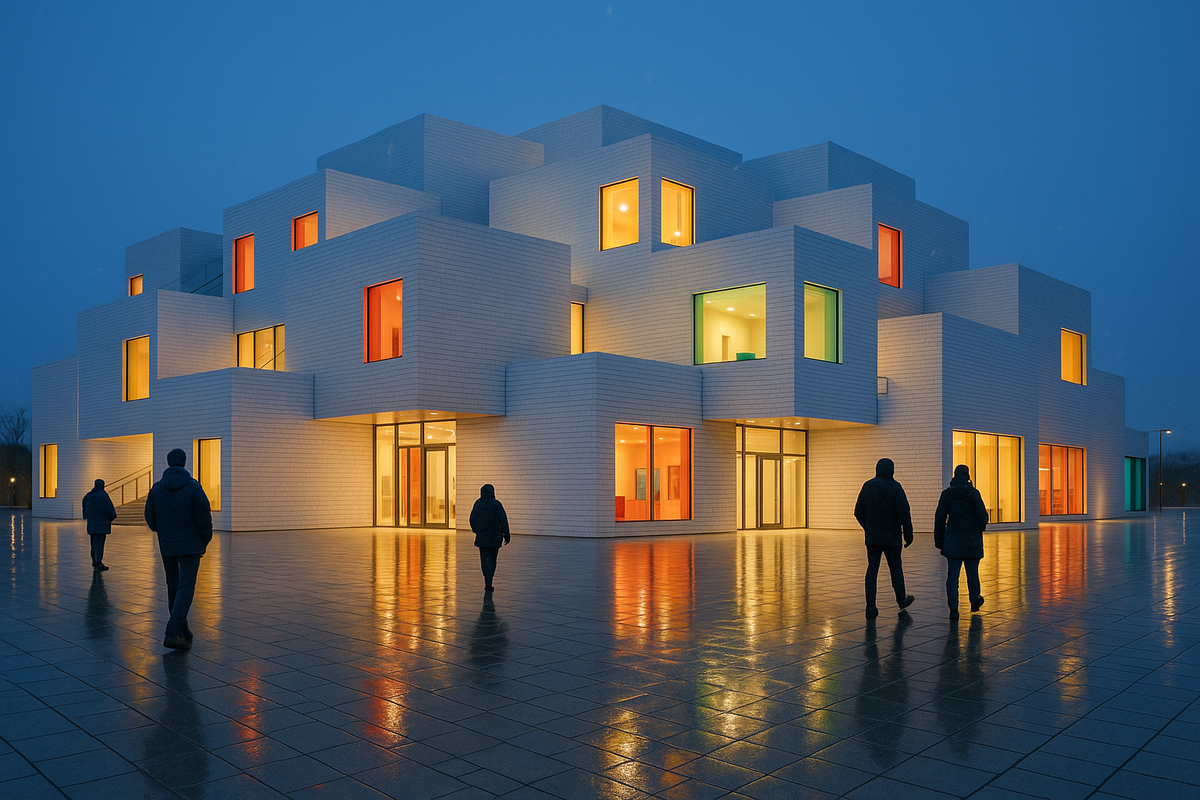
LEGO House in Billund is not a “museum—see and leave.” It’s a space built as an experience. Adults are often surprised more than children, because they sense: this isn’t a toy, it’s a perfectly designed environment for creativity.
🎨 What to do inside
- Creative zones where you build, experiment, test ideas.
- Galleries and exhibits showing LEGO as culture and design.
- Seasonal December formats: special holiday activities and thematic builds often appear.
👥 AFOL culture: adult LEGO fans—and that’s its own kind of magic
LEGO House sometimes hosts formats for AFOL (Adult Fans of LEGO): events/meetups/special activities where adult love for bricks is treated as normal.
It’s oddly inspiring: adults aren’t “allowed” to play here—they’re invited to create.
🧖♀️🔥 CopenHot: hot tubs and sauna on an industrial waterfront—where cold becomes beautiful
Some winter pleasures are hard to explain until you try them. CopenHot is exactly that. It doesn’t try to be “luxury spa.” It honestly shows the Nordic principle: contrast heals.
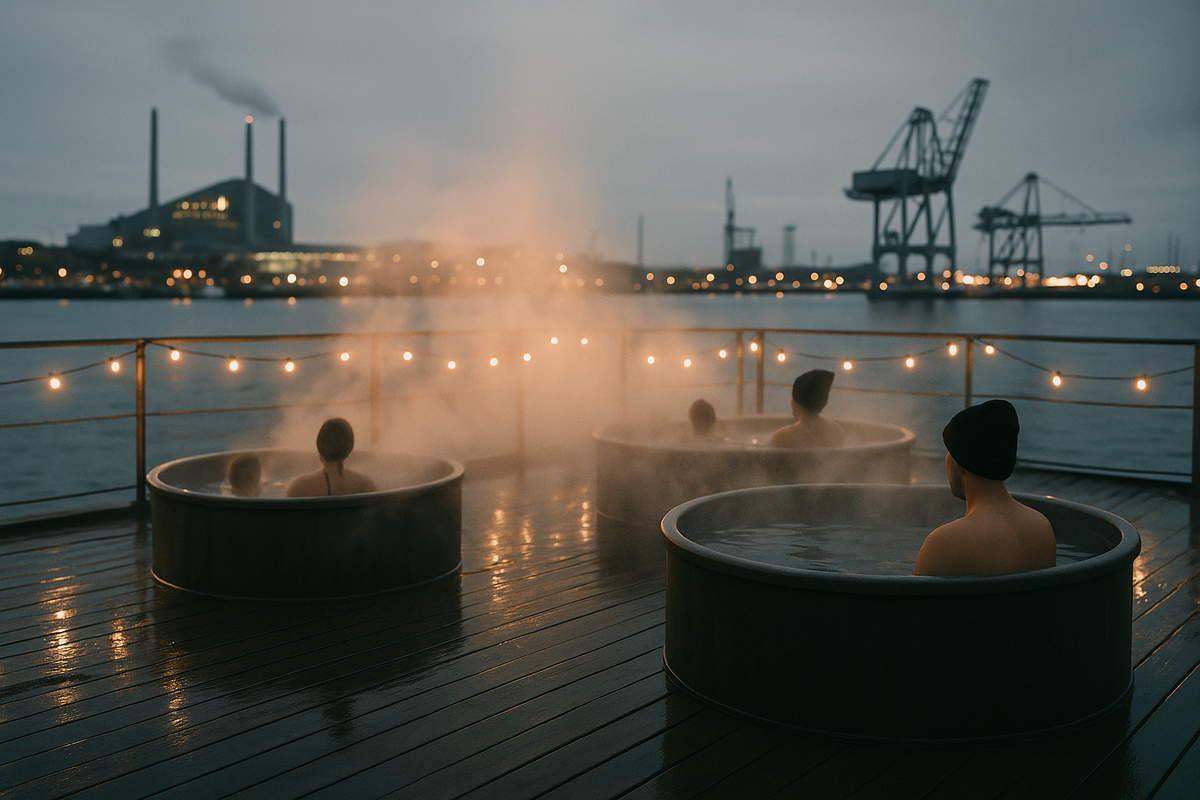
You sit in hot water. Steam rises into the winter sky. Around you—harbor metal, industrial lines—and suddenly warmth feels almost dramatic.
🫧 What the experience usually includes
- Wood-fired hot tubs outdoors.
- Saunas (sometimes with views of water / the waterfront).
- Cold dips / contrast for those who want a full “reset.”
🎞️ Why CopenHot is cinematic
Because what usually isn’t “postcard-ready” becomes beautiful: industrial Copenhagen. And you realize it can be romantic.
🧊🌊 Vinterbadning: Danish winter bathing as a ritual of clarity
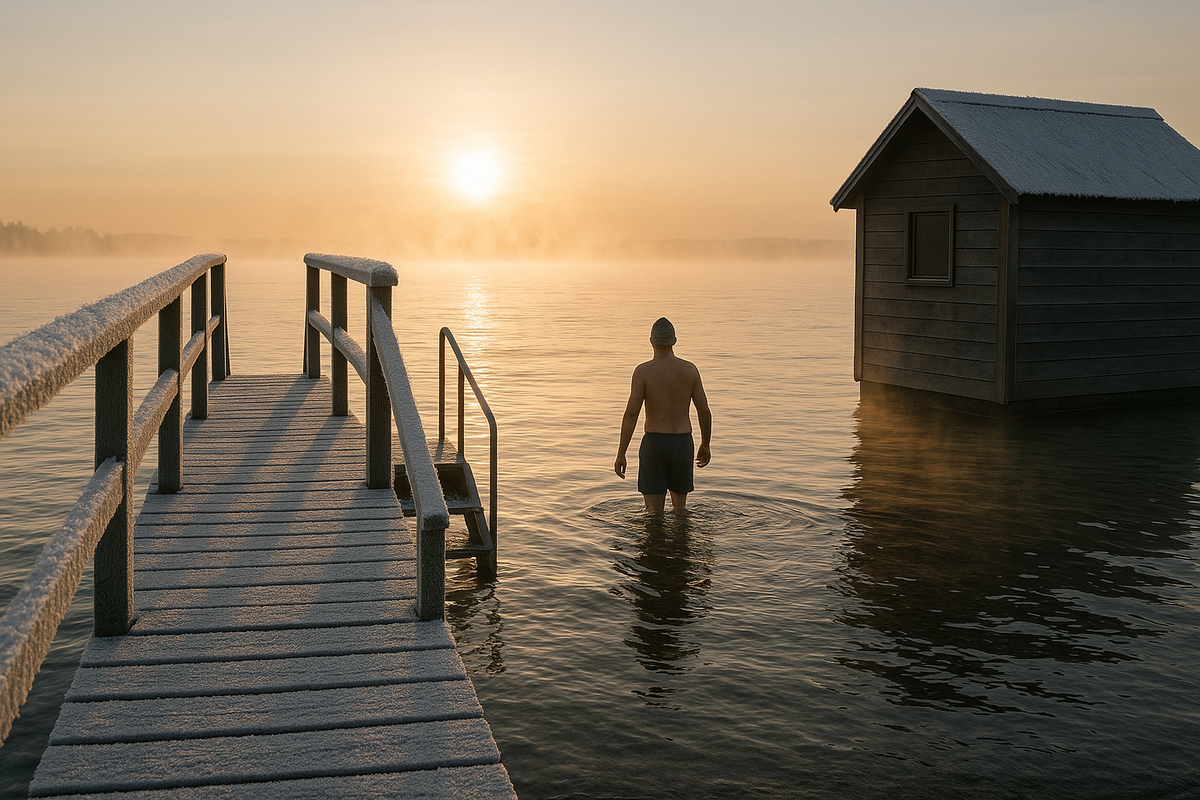
Winter bathing in Denmark isn’t “extreme for the sake of it.” It’s a social and bodily ritual: a short meeting with cold, then a long return to warmth.
🧘♂️ What makes it such a popular experience
- Contrast: water seems to “reboot” sensations.
- Community: winter bathers often join clubs—part of local culture.
- Sauna and conversation: after the dip, even a simple hot drink tastes like gratitude.
🌍 Where it appears across the country
Coasts, harbors, lakes—Denmark offers many winter-bathing forms. Each place has a different water character: sometimes rough sea, sometimes calmer harbor, sometimes quiet lake. The idea is one: cold is not an enemy, but a tool.
🦪🌾 Wadden Sea Oyster Safari: a low-tide adventure where food begins at the horizon
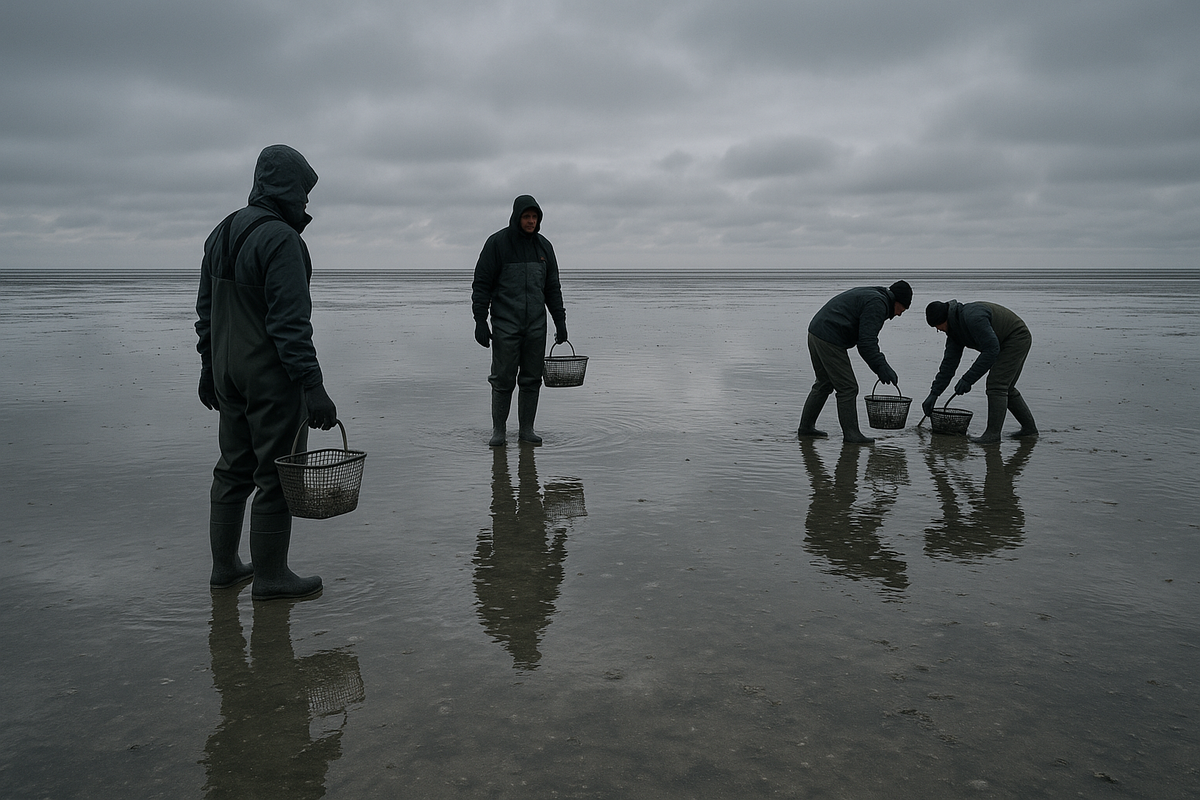
The Wadden Sea is a landscape that appears and disappears. At low tide, water retreats and reveals a world that feels otherplanetary: wet, mirrored, windy. And there, one of Denmark’s most unusual winter experiences is born—an oyster safari.
🧂 What happens on such a safari
- You walk out onto tidal flats (often with guides), seeing how the sea lives “without water.”
- You learn how oyster grounds work and how tides shape everything.
- You gather and taste—flavor becomes part of the landscape: salty, alive, real.
🧠 Why it’s not just gastronomy
Because it’s a way to feel Denmark as a country living on the border of land and water—moving with the tide’s rhythm.
🌊🏄♂️ Klitmøller “Cold Hawaii”: winter surfing where the North Sea makes people brave
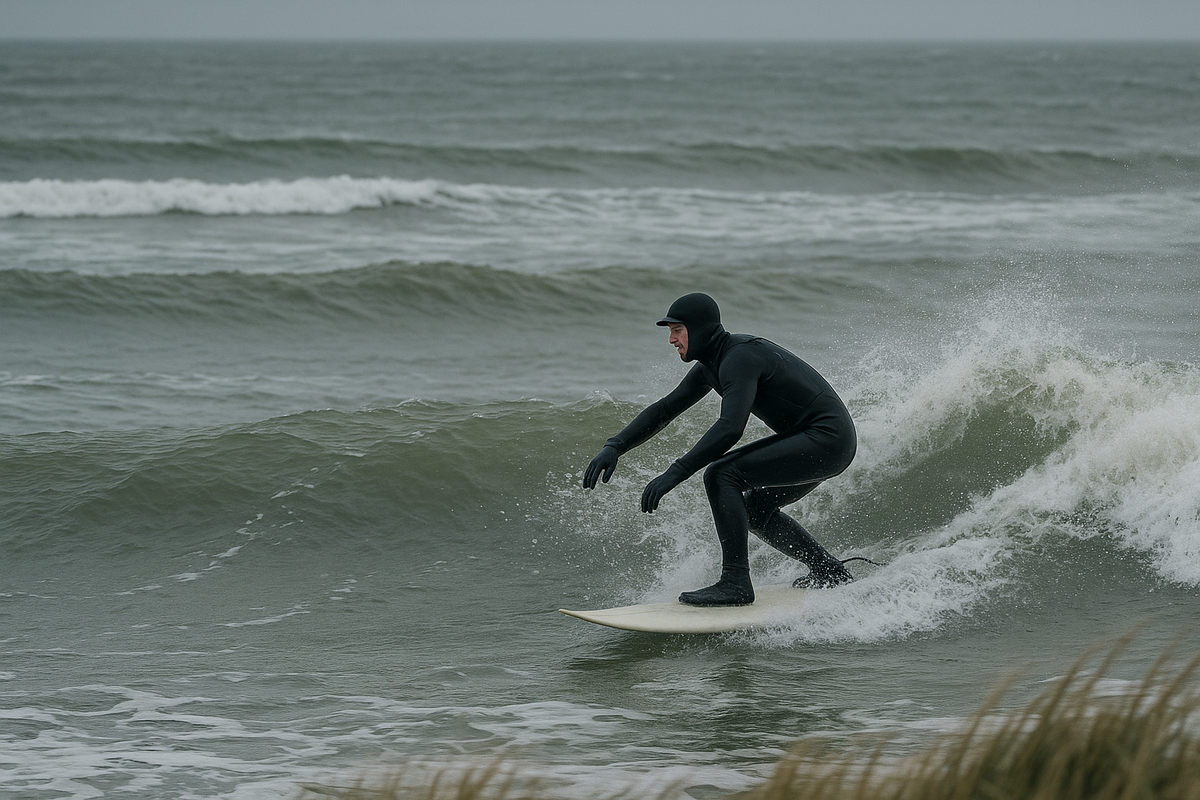
“Surfing in Denmark in winter” sounds like a dare. In Klitmøller, it sounds like a habit. The place is nicknamed “Cold Hawaii,” and the name says it all: humor, character, respect for the ocean.
🌬️ What to do here in winter
- Watch waves as theatre: even as a spectator, it’s gripping—the sea is alive, dramatic, changing by the minute.
- Try winter surfing (if experience/schools/conditions allow): here it’s less about tricks and more about feeling the ocean.
- Absorb the north-coast atmosphere: dunes, wind, cafés, wet sand—it’s a kind of therapy.
🎥 What makes Klitmøller stick
It shows Denmark isn’t only hygge. Denmark is also strength, just without the bravado.
🏜️🗼 Rubjerg Knude Fyr: a lighthouse on moving dunes—where silence becomes an event
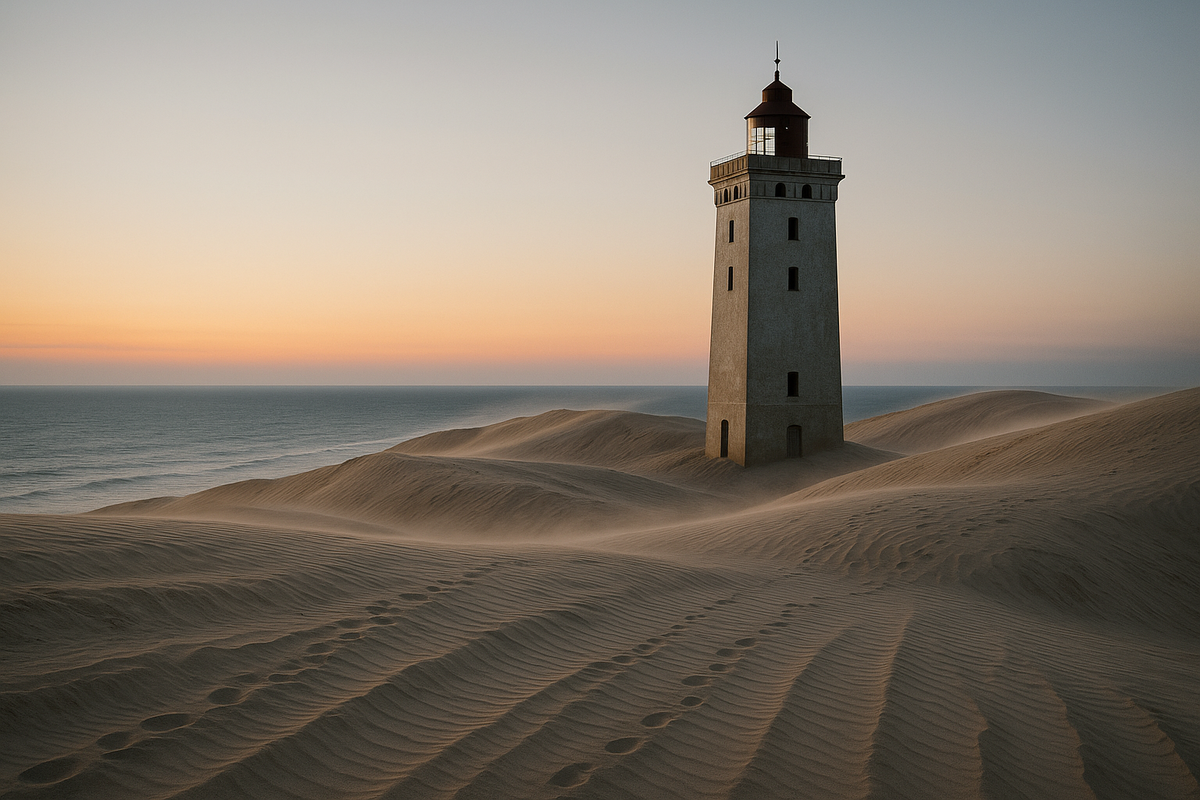
Rubjerg Knude Fyr is where nature behaves as if it enjoys rewriting the map. The dunes are alive: wind moves sand, the cliff line shifts, and the lighthouse stands like a sign of human persistence—beautiful and calm.
🌅 What to do here
- Climb up to the lighthouse for panorama: in winter sea and sky almost merge, and the horizon feels endless.
- Walk the dunes like a northern desert: in Denmark this sensation is rare—like you’ve crossed continents.
- Chase the light: winter sunsets on the coast are a reason to come even with “no plans.”
🧠 Why it’s “wow”
Because Rubjerg is a place where you want to be quiet. And in travel, we rarely choose silence as an activity—yet here it’s unforgettable.
🪖🏛️ Tirpitz Museum (Blåvand): bunker history, architecture, and dunes that explain Western Denmark
Tirpitz is a museum that feels tucked into the dunes. The architecture doesn’t fight the landscape; it continues it—as if sand turned into corridors and walls.
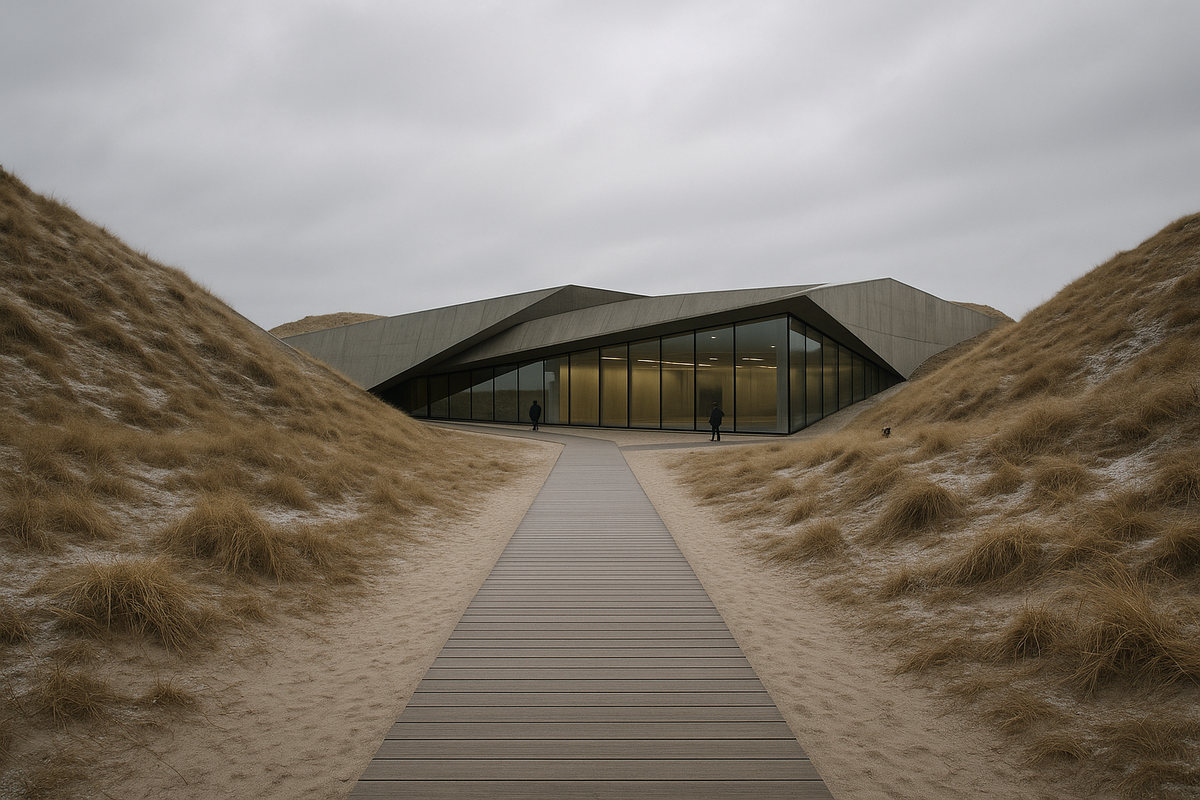
🧩 What’s inside (and why it’s powerful in winter)
- Exhibitions tied to the coast and wartime past: bunker context feels stronger when outside is wind and cold.
- A story of Western Jutland: sea, survival, local history—this isn’t “about war in general,” but about a specific shoreline.
- A natural pairing with a dune and beach walk: after the museum, the landscape looks more meaningful—more readable.
🎞️ The effect
You step outside and understand: history isn’t only behind glass. It’s in the ground. In concrete shapes. In wind.
🌉🧗♀️ Bridgewalking Lillebælt: a high bridge walk where air becomes a path
Some impressions are all about perspective. Bridgewalking is exactly that: you walk on the upper structure of a bridge with views over the strait—literally where there’s usually only steel and sky.
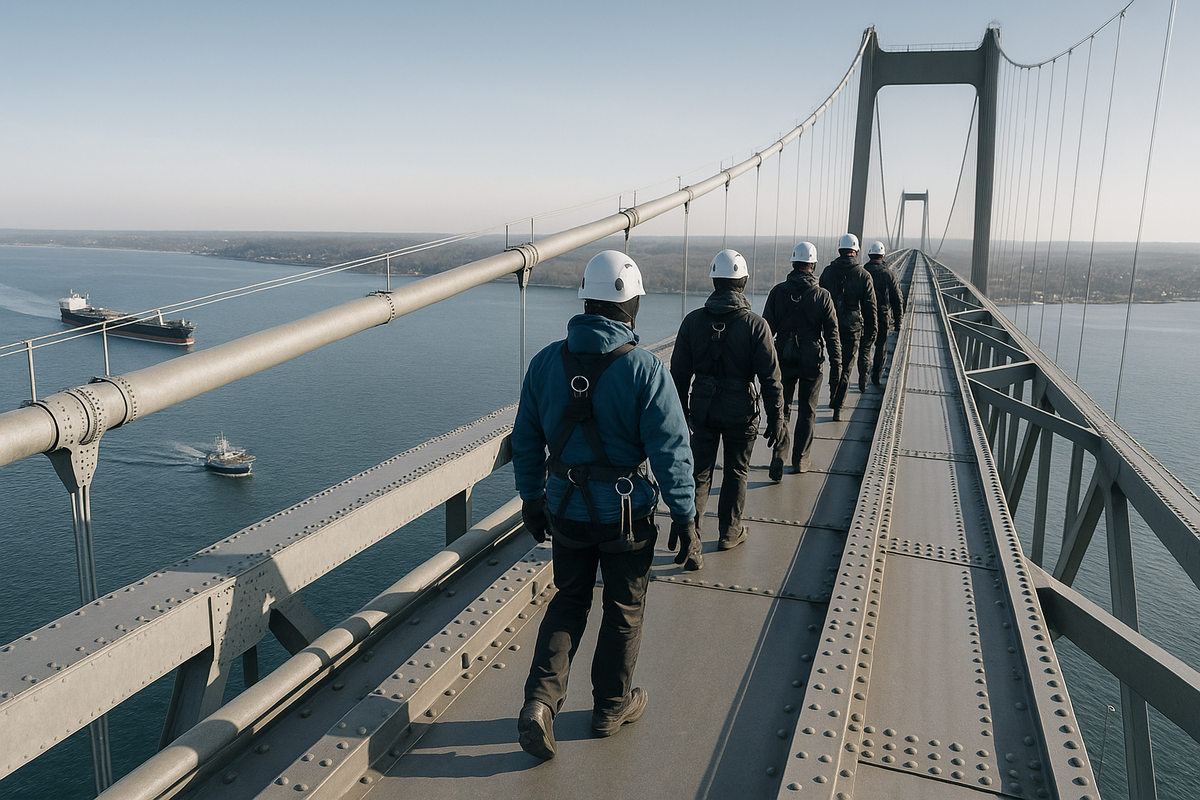
🧰 What the experience typically includes
- Gear and guidance: safety is part of the architecture of this experience.
- Bridge stories and views: strait, ships, shorelines—everything becomes a map.
- The feeling of height: not “fear,” but clarity. The mind stops clinging to small things.
⚡ Why it’s unusual
Because the action is simple (walking), but the place makes it spectacular.
🌲🌀 Skovtårnet: a forest tower spiral—where winter looks like a graphic print
Skovtårnet is a tower that lifts you above a forest via a spiral path. There’s something meditative in that climb: you don’t “storm the height,” you flow into it.
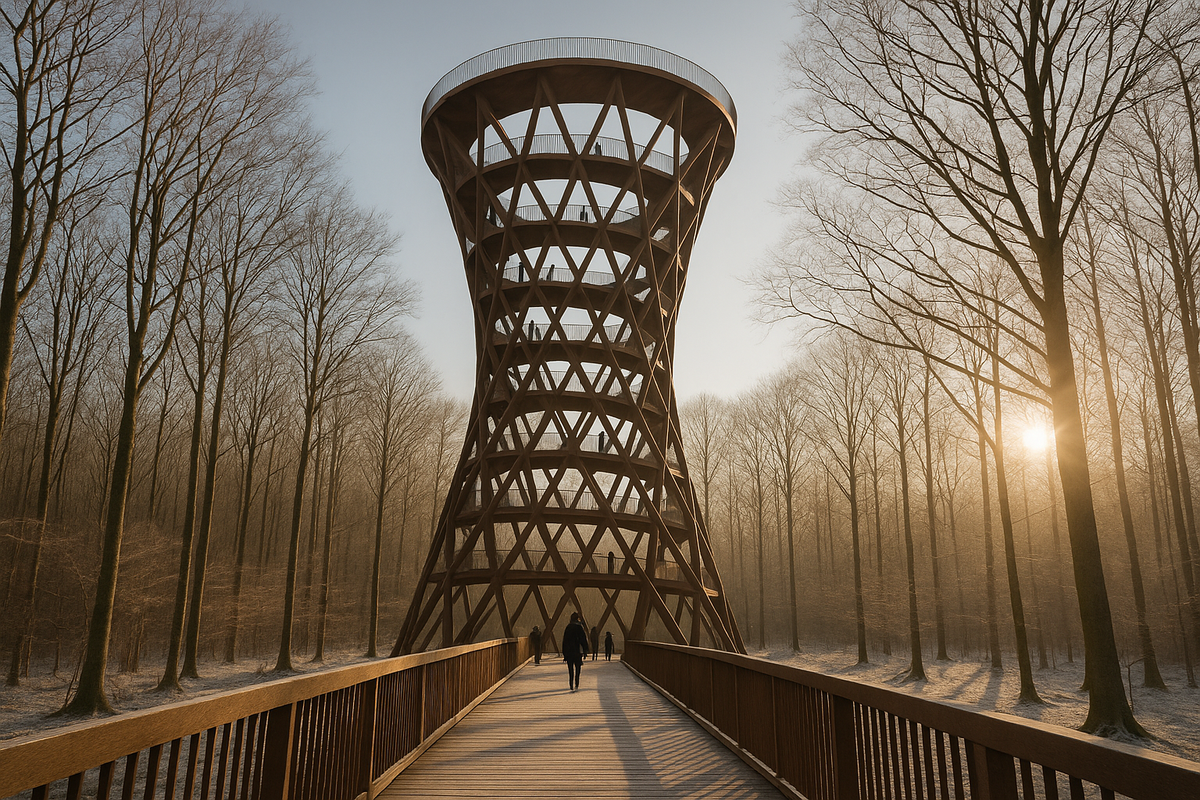
🍃 What to do here (and what not to miss)
- Walk the forest paths / elevated walkways: getting to the tower is part of the experience.
- Climb the spiral: at some point the forest becomes a “sea of branches,” and you become an observer.
- Catch winter light: low sun turns the forest into contrast—like an engraving.
🎨 Why it inspires
Because it offers space without noise. The “wow” isn’t loud—it’s quiet, and therefore stronger.
🌌🔭 Dark Sky Park Møn & Nyord: a night where the distant becomes visible
December is often blamed for darkness. On Møn, darkness is a treasure. This is a Dark Sky area—and winter can be perfect for it: long nights, sometimes crystal air, stars that become not “dots” but space.
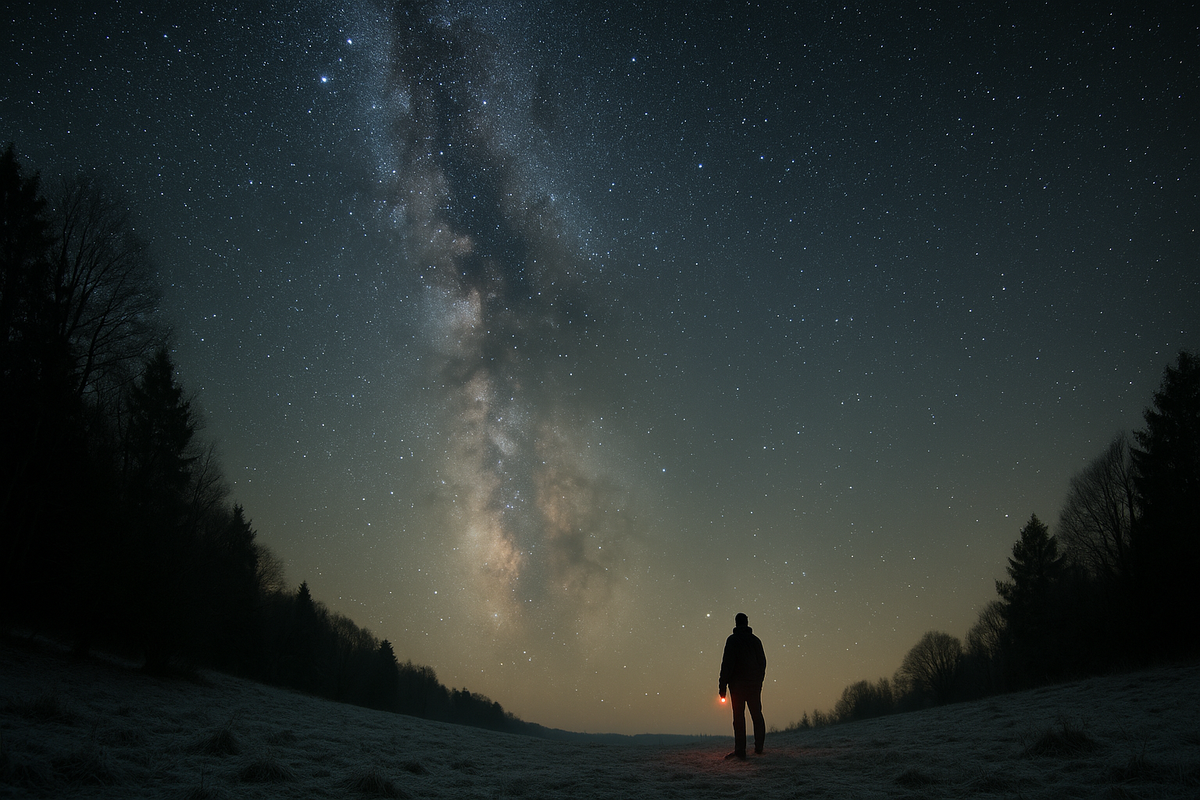
✨ What you can do under a true dark sky
- Stargaze: it sounds simple, but when the sky is genuinely dark, the effect is almost physical.
- Find constellations and planets (especially with seasonal guides/telescopes): the night becomes a story.
- Connect sky and landscape: Møn is famous for nature, and in winter it becomes stricter—less “green noise,” more lines and form.
🧠 Why it’s “wow” for adults
Because it’s an experience that doesn’t require entertainment. It requires your presence. And it rewards you with scale.
🏘️🕯️ Ribe: the oldest town where Christmas streets look like scenes from the past
Ribe is a town that seems to hold an instruction manual: “how European winter looks without fuss.” Here, the key isn’t a checklist—it’s atmosphere: old streets, warm windows, the sense you’re walking inside history.
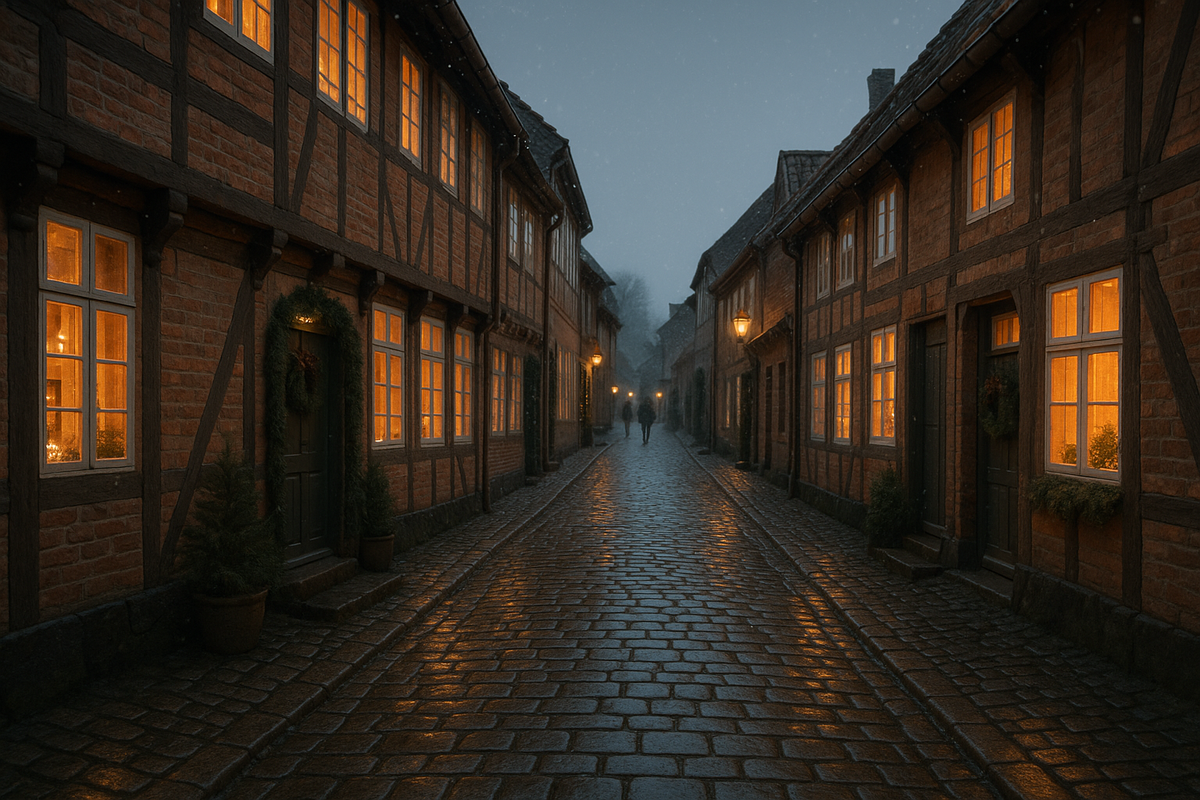
🎄 What you can see and do in the Christmas season
- Weekend holiday formats: towns like this often come alive on Advent weekends with local markets and seasonal happenings.
- Stroll historic quarters: Ribe doesn’t demand “activities.” It is the activity.
- Feel the local layers of history: this region carries deep Danish stories—medieval and older.
🕰️ What’s rare about Ribe
It makes time feel like fabric. Not as facts— as air between houses.
🎭🎁 Odense: Andersen’s Christmas city—markets, design, and “Christmas in the Zoo”
Odense can shift moods easily. It can be fairytale-like—because Andersen here is not a brand, but memory. It can be contemporary—through design markets and cultural spaces. And it can be family-friendly—through the zoo, which often turns into a separate festive universe.
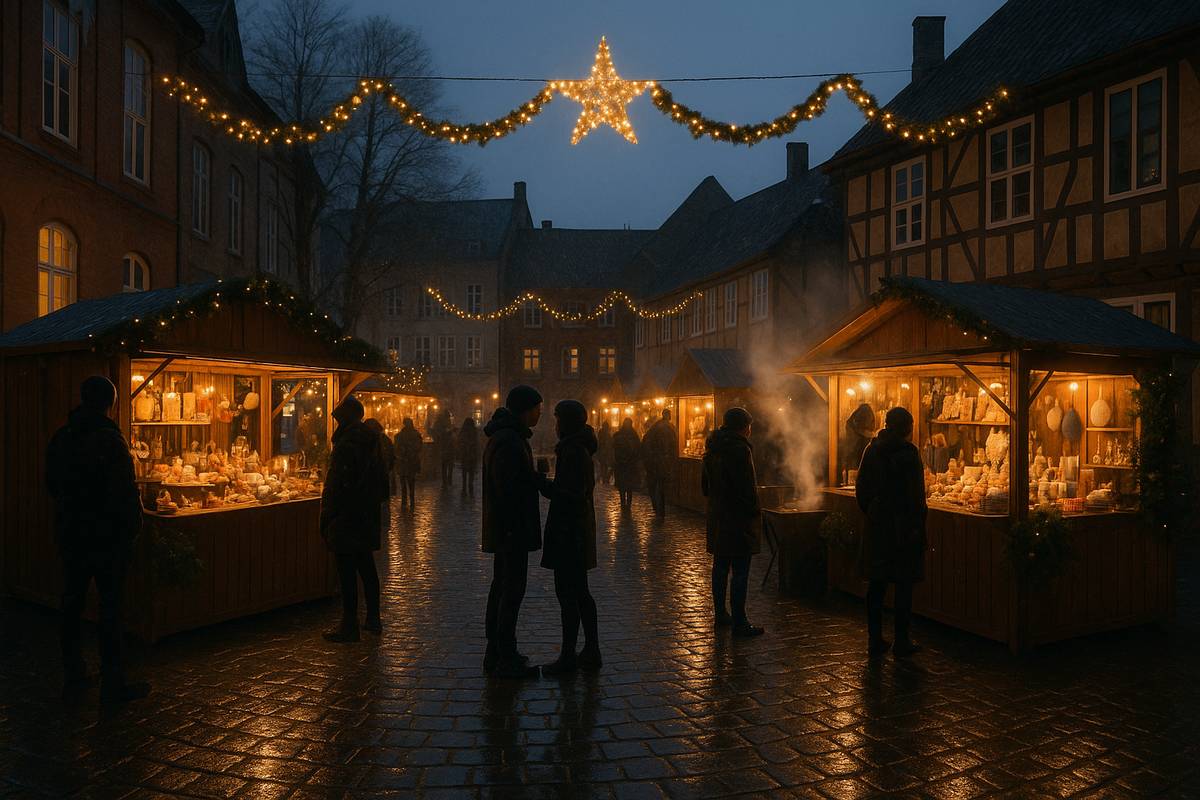
🛍️ Christmas markets and design fairs
This is a place where it’s easy to buy not a “souvenir,” but something with character: design, craft, local brands, holiday aesthetics without excess.
What to look for:
- artisan stalls,
- winter drinks and sweets,
- ornaments, textiles, ceramics—things that later remind you not of a “trip,” but of a mood.
🐾✨ Christmas in the Zoo
A winter zoo might sound unexpected, but in Odense it works like a holiday world: light routes, evening atmosphere, the feeling of walking through animals and illumination at once.
📚 The Andersen effect
Even without “museum plans,” the city reads like a story in December: right scale, right pace, many cozy places where you warm up not only with drinks, but with conversation.
🏝️🕯️ Ærø: island Denmark where Christmas isn’t a show—it’s a calm habit
Ærø in winter is beauty without volume. Islands open up in the off-season: fewer people, more wind, more sense of witnessing real life.
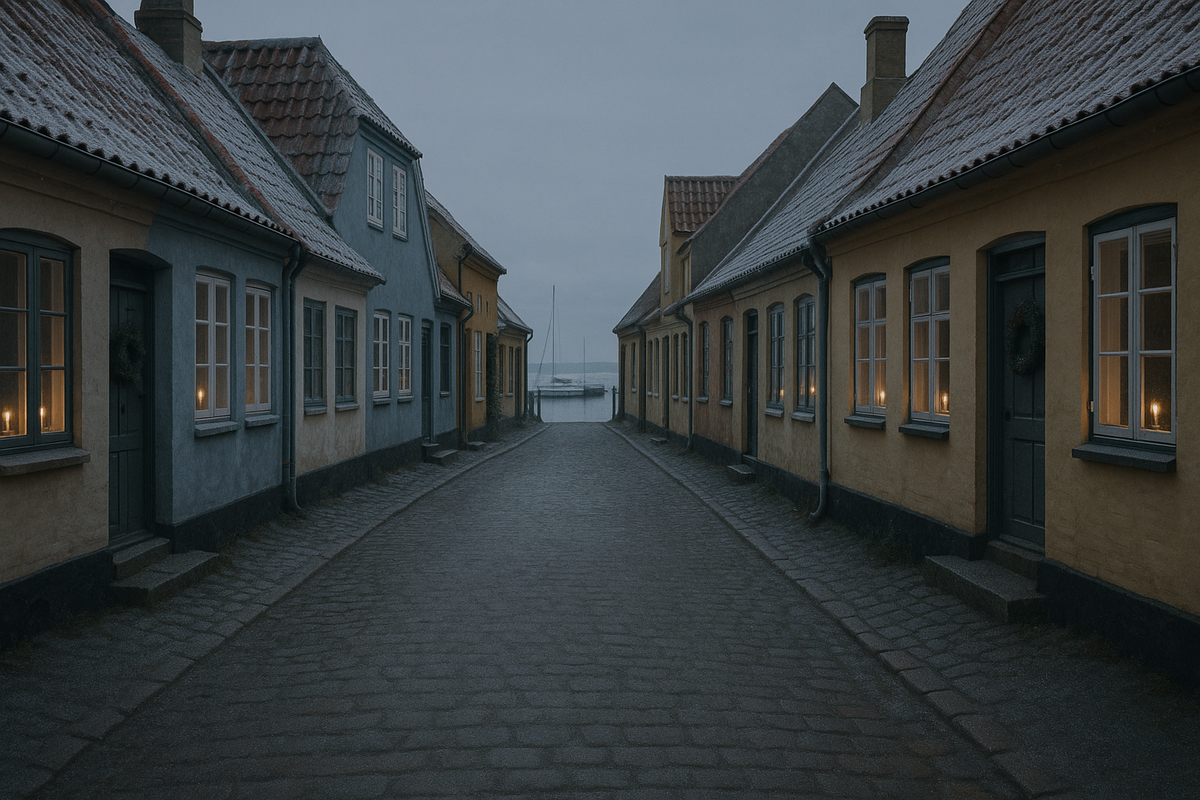
🧣 What to do here in winter
- Walk small towns (Ærøskøbing is often called one of the most postcard-perfect): in December streets feel like miniature stages—window light, quiet facades, sea nearby.
- Look for local Christmas events: island markets tend to be more intimate—and therefore warmer.
- Listen to silence: yes, it’s an activity. Island silence is different; it feels denser.
💡 What’s “wow” about Ærø
It returns a sense of time. During the holidays, that’s priceless.
🏝️🌊 Fanø: sand, sea, and a Christmas North that heals with wind
Fanø is an island by the Wadden Sea. In winter it’s especially “Nordic”: wider beaches, lower skies, honest wind.
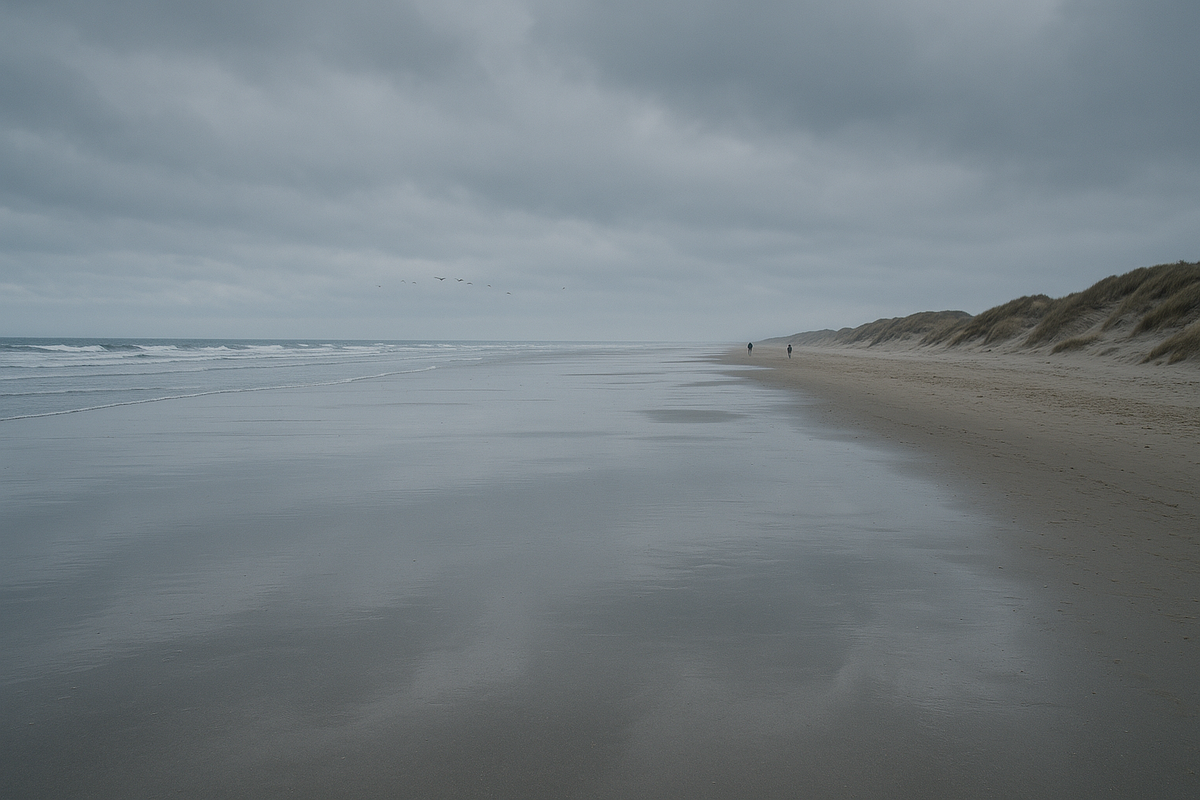
🪁 What to do on Fanø in winter
- Long beach walks where space resets your internal noise.
- Birdwatching and coastal life: the Wadden Sea stays alive even in winter.
- Feel villages like Sønderho as a cultural layer: traditional houses, calm rhythm, a sense the island guards its own pace.
🌬️ Why Fanø belongs in your dream of Danish winter
Because it’s Denmark not urban, but natural—and in December it’s especially truthful.
🎆✨ Epilogue: why all this—and why now
Christmas and New Year are when many people look for “somewhere pretty.” Denmark offers something else: somewhere pretty and deep. Where lights are not decoration but a way to live in darkness. Where cold is not punishment but a backdrop for warmth. Where even strange ideas—“oyster safari” or “sauna on a harbor pier”—suddenly make perfect sense, because the North knows how to turn extremes into harmony.
If you’re searching for unusual winter things to do in Denmark, the secret might not be “to do everything.” It might be choosing a handful of experiences of different kinds:
- one about light and fairytale (Tivoli),
- one about time and history (Den Gamle By, Kronborg, Ribe),
- one about body and contrast (CopenHot, vinterbadning),
- one about sea and character (Klitmøller, Rubjerg, Fanø, the Wadden Sea),
- one about height and perspective (Bridgewalking, Skovtårnet),
- one about dark sky and silence (Møn & Nyord).
Not as a plan, but as a collection of feelings. Because Danish winter is precisely that: a collection of small lights, big horizons, and ideas that keep glowing inside you long after you return.
❓FAQ
The festive season usually begins in late November (markets, lights, seasonal menus) and stays strong through December, with some major attractions continuing into early January. Note that Dec 24–26 often brings closures or reduced hours, while Dec 27–30 tends to be lively again. Always check official opening hours for each place.
Adults often love high-contrast, memorable experiences: CopenHot (hot tubs/sauna), vinterbadning (winter bathing), Bridgewalking, Dark Sky stargazing on Møn, oyster safari in the Wadden Sea, winter ocean vibes in Klitmøller (“Cold Hawaii”), and dramatic landscapes like Rubjerg Knude Fyr.
Top family-friendly choices that don’t feel “kids-only”: Tivoli Christmas, Den Gamle By (Christmas through different eras), Egeskov (often with playful formats like an “Elf Hunt”), plus LEGOLAND + LEGO House in Billund. Odense also tends to offer winter family events, including zoo-based Christmas programs.
Book ahead for activities with limited slots: Bridgewalking, CopenHot, and some guided seasonal night tours (like stargazing). Outdoor landmark stops (e.g., Rubjerg Knude Fyr) usually don’t require booking, but they can depend on weather and transport timetables.
Think wind + humidity. Layering works best: thermal base + insulation + windproof/waterproof outer layer. Bring a warm hat, gloves, scarf/neck gaiter, and grippy shoes. If you plan sauna/hot tubs/winter dips, pack swimwear and a towel (or check what’s provided).
They’re safe when done properly: do cold dips in designated facilities and keep them brief, surf only within your skill level (ideally with a school/instructor), and in the Wadden Sea always respect tides—guided safaris are the smart choice. If you have medical conditions (heart/blood pressure), consult a professional before doing intense cold exposure.
Go for quiet, high-impact options: Dark Sky Møn & Nyord (on clear nights), Skovtårnet (forest spiral tower), winter walks in Ribe and on Ærø/Fanø, plus deep, atmospheric museums like Tirpitz.
0 comments
Log in to leave a comment