


⛸️ Ice rinks and natural ice: where and how to skate safely in Denmark in winter
Imagine a quiet Danish evening: light frost, street lamps reflected in the ice, the sound of the sea somewhere in the background, children laughing and soft music over the speakers. That is the ideal picture of a winter skating session in Denmark. Behind this picture, though, there is the reality of a mild climate: today the ice is perfect, tomorrow it may be washed away by rain, and the next day someone could fall through a thin layer near the reeds.
This article looks honestly at where you can really skate safely in Denmark, how official rinks differ from improvised “lake rinks”, which mistakes beginners make most often and which backup scenarios you have for a winter with no ice at all.
🎯 Three skating formats: what actually exists in Denmark
In a Danish winter you will typically see three very different ways to skate. Understanding the difference between them is half of your safety.

- Indoor ice rinks. They run on a fixed schedule, the ice is maintained, and staff are on duty. You can skate even when it is +5 °C and raining. Ideal for practice, lessons and families who want guaranteed ice “by timetable”.
• Outdoor city rinks. Seasonal rinks on squares, waterfronts and by shopping centres. Usually paid (entry and/or skate rental), with boards around the ice, but heavily dependent on the weather.
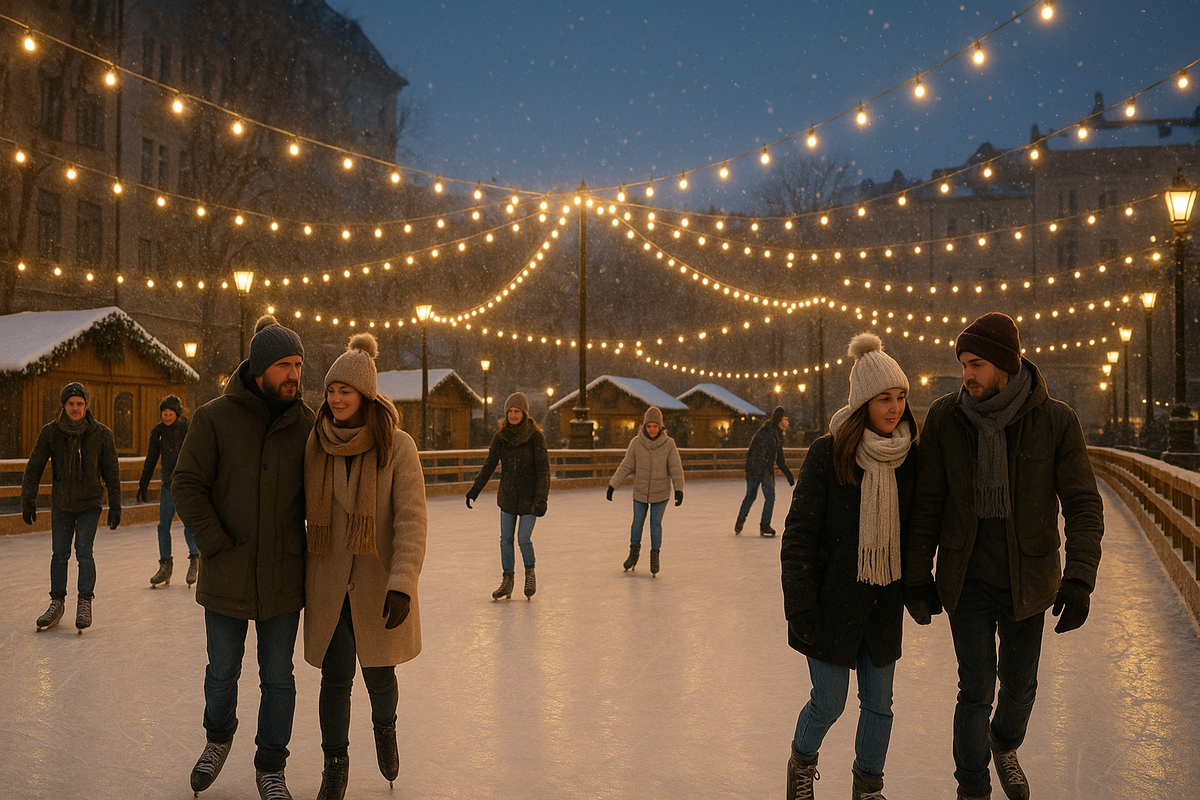
• Natural ice on lakes and ponds. The most romantic, but by far the riskiest option: without an official “open” notice, stepping onto such ice is unsafe. In Denmark it is the local municipality that decides whether the ice is safe and puts up signs accordingly.
📊 Comparing formats: indoor rink, outdoor rink and natural ice
| Format | Advantages | Drawbacks | Best for |
|---|---|---|---|
| Indoor rink |
|
|
|
| Outdoor city rink |
|
|
|
| Natural ice |
|
|
|
🧊 Natural ice: what the rules say and what to look for
That “skating on a frozen lake” fantasy is possible in Denmark, but not every year and not everywhere. A few basic principles matter.
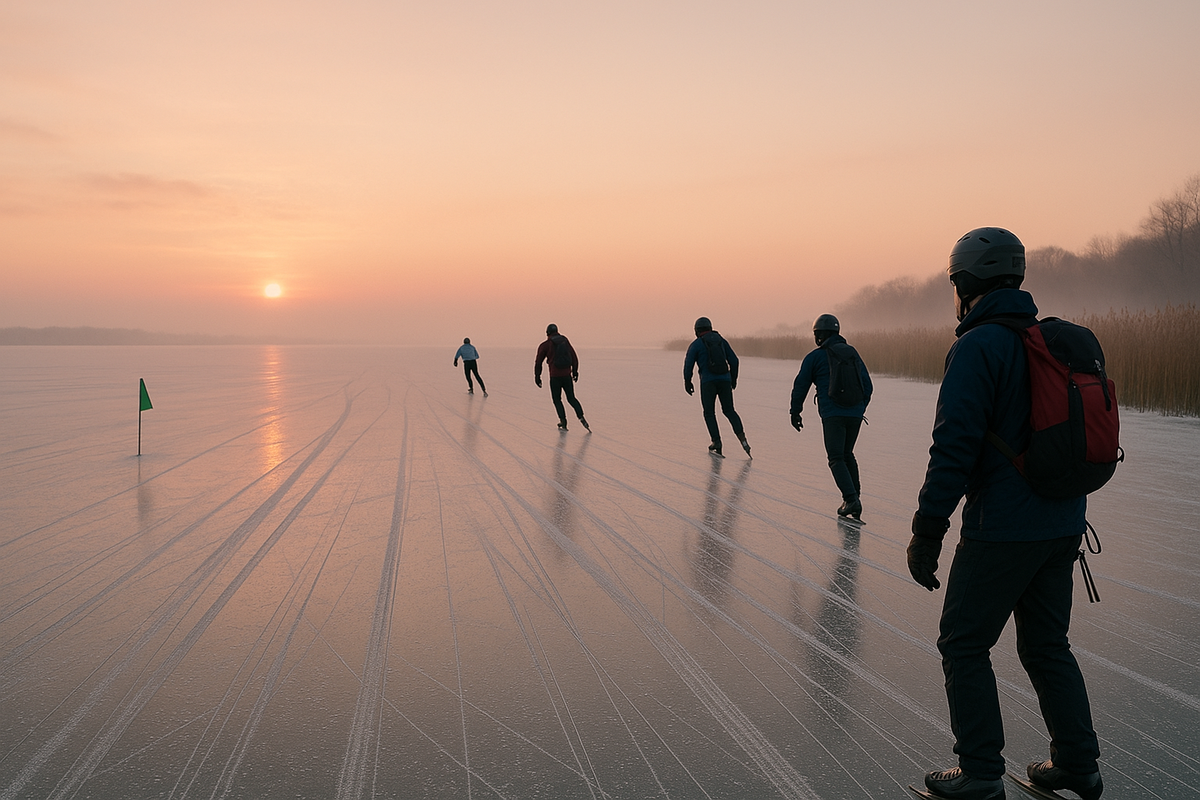
Firstly, you should only step onto natural ice where the municipality has officially announced that the ice is open. On the shore you will normally see a sign, flag or notice: green means the ice is open, red means it is closed, even if it looks thick. The decision is based on measured thickness and knowledge of local currents.
Secondly, there are high‑risk areas even when the ice is open:
• thin ice by reeds and rushes, where water circulates more quickly;
• areas near inlets, outlets, bridges, islands and headlands;
• sea ice and fjord ice, especially where the water is salty or brackish;
• places where snow has fallen unevenly and acts like a blanket, stopping the ice from freezing evenly.
Thirdly, groups and families should not go out onto first ice without basic safety kit:
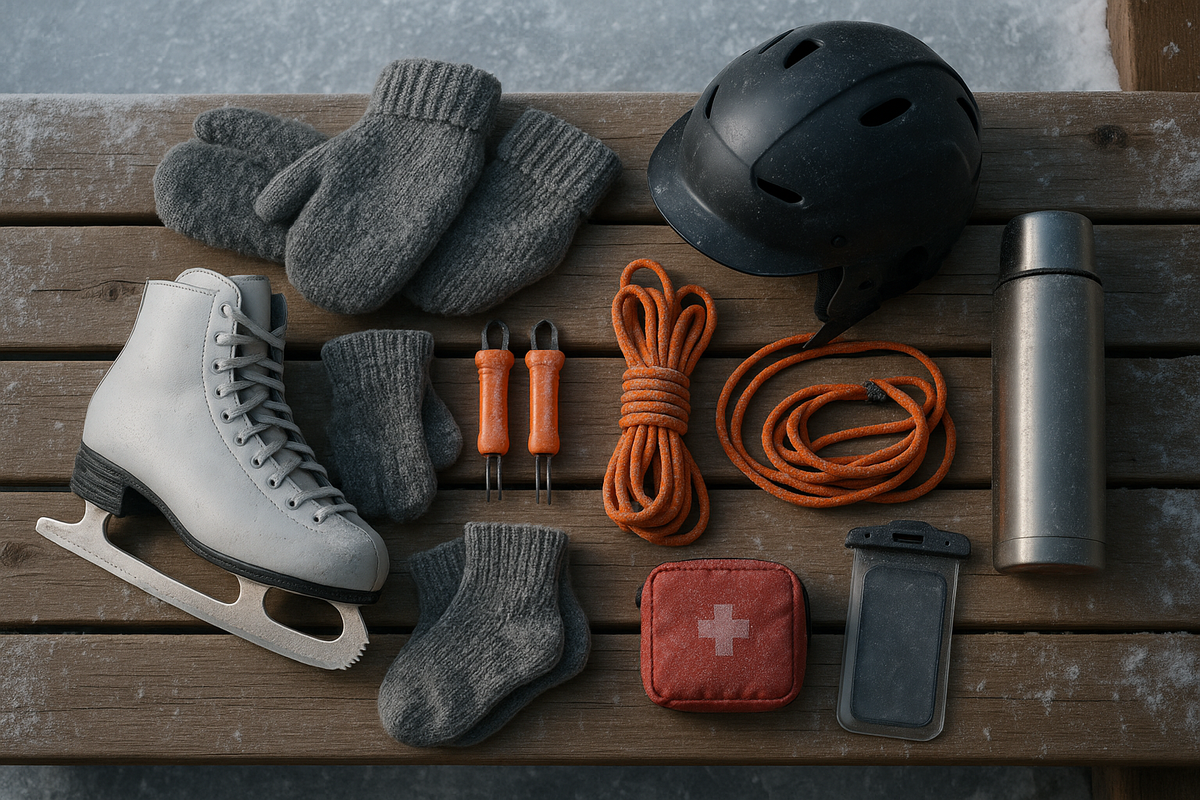
• ice claws or rescue spikes on a cord around the neck;
• a throw rope or long strap;
• a phone in a waterproof pouch;
• dry spare clothes in a rucksack on shore.
If you have no experience with natural ice, it is safer to leave it to locals and organised groups and stick to official rinks.
🏙️ Major rinks in Danish cities: where to find ice in winter
The list of rinks changes from season to season, but large cities almost always have several reliable options. Prices below are approximate ranges so you can understand the general budget.
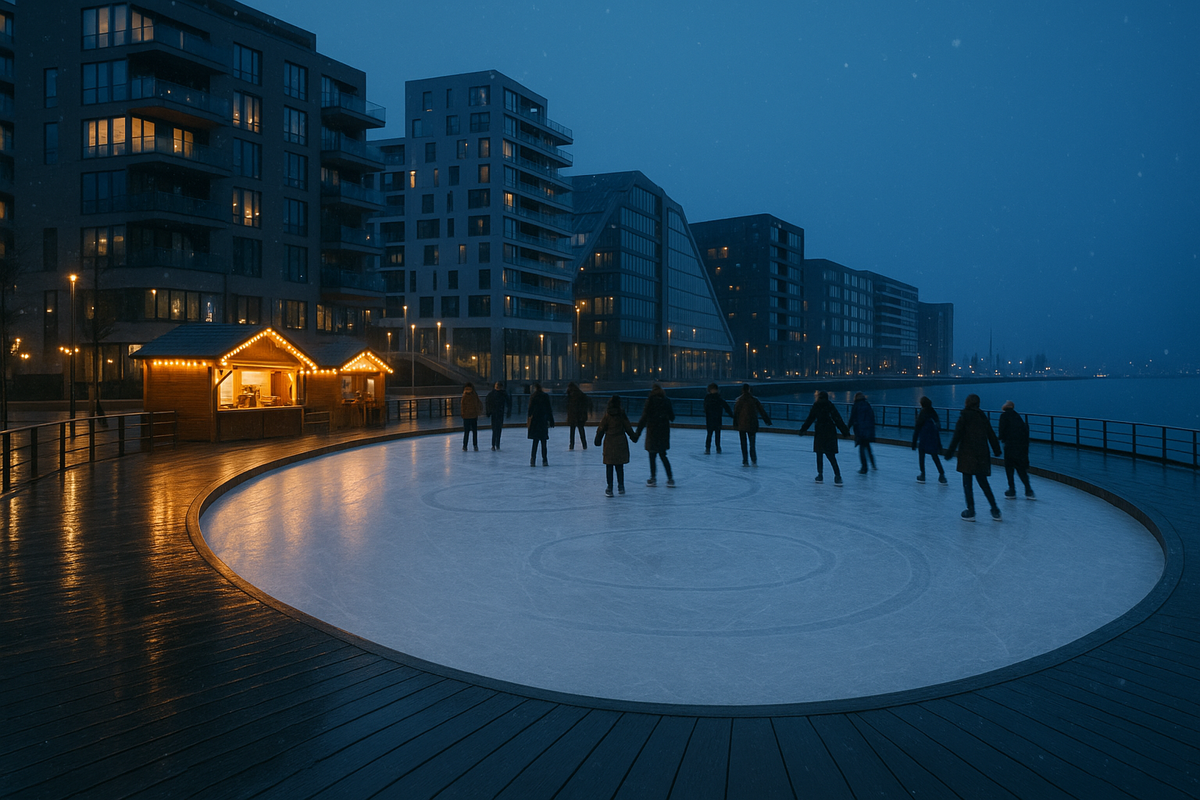
In Copenhagen there are usually one or two indoor arenas operating all year and several seasonal outdoor rinks in central districts and on the waterfront. Some operate as “free entry, pay only for skate hire”, others charge a small ticket for a fixed session. On average, skate rental costs around 50–80 DKK per session, entry 0–70 DKK depending on format.
In Aarhus the focus is on indoor ice and one or two big open‑air rinks in the city centre or near shopping areas. In Odense and Aalborg it is similar: at least one indoor rink for clubs and public sessions plus seasonal outdoor rinks that appear around Christmas and in mid‑winter.
📌 Quick overview of city rinks
| City | Types of rinks | Approximate prices | Highlights |
|---|---|---|---|
| Copenhagen |
|
|
|
| Aarhus |
|
|
|
| Odense |
|
|
|
| Aalborg |
|
|
|
Remember: specific rinks and prices change every season. Always check the latest timetable and prices on the city or rink website before you go.
❄️ If winter has no ice: how to keep the mood anyway
Some winters are all about rain and +3 °C, with no outdoor ice at all. That does not mean you have to give up on a winter atmosphere.

- Indoor rinks. Almost every major city has at least one arena where the ice is maintained regardless of the weather.
• Roller halls. Some skate parks and indoor roller venues run “winter” sessions with fairy lights and music — you can swap blades for wheels.
• Ice shows and hockey matches. Even if you do not skate yourself, you can still enjoy the sound of blades and the cold of the arena from the stands.
• Winter coastal walks, saunas, winter bathing, evening parks with lights — all of these work well in a “winter weekend without ice” programme.
🧤 Gear and protection: what to bring to the rink
The most common mistake is coming to the ice “as for a city stroll”: jeans, thin gloves, a hat “just in case”. The result is wet feet, bruised knees and a desire to go home after half an hour.
Think in three layers:
• base layer – thermal underwear or a long‑sleeved top;
• mid layer – fleece or jumper;
• outer layer – windproof jacket and trousers you are not afraid to fall in.
On your feet you will want warm socks (often two thin layers are better than one very thick pair). On your hands: proper gloves or mittens, plus a spare pair for children. For kids and beginners a helmet is strongly recommended — a bike helmet works fine.
📋 Gear checklist with COPY button
Gear checklist: what to take to the rink
- Thermal underwear or a warm long‑sleeved top.
- Fleece or jumper as a second layer.
- Windproof jacket and trousers you do not mind getting wet.
- Warm socks (one or two layers), preferably without thick seams.
- Mittens or warm gloves, plus a spare pair for children.
- Helmet for children and beginners (a bike helmet is fine).
- Small rucksack for shoes and snacks.
- Mini first‑aid kit with plasters and wipes.
- Dry pouch for phone and documents.
- Flask with a hot drink for after skating.
❓FAQ
No. In Denmark natural ice is considered safe only where the municipality has officially opened it and put up a sign. The appearance of the ice does not guarantee thickness or the absence of currents.
As a rough guide, an adult needs around 10–12 cm of clear ice, and a group needs more. In practice, though, only the responsible authorities can measure and decide when to open a lake.
A city or indoor rink with skate hire is the simplest choice. There are boards to hold on to, lighting, staff and often skate aids for kids. You can rent skates for everyone and leave quickly if the children get tired.
Yes. Indoor rinks operate independently of outdoor temperature. Outdoor rinks may close for maintenance or run shorter sessions in a thaw, so check the daily timetable before you go.
At indoor arenas and popular city rinks it is a good idea to book ahead at weekends, on public holidays and in school breaks. In the middle of a weekday you can often just turn up.
Many rinks have dedicated sessions for families with children, beginners and clubs. Family sessions are usually calmer, with more space and sometimes skating aids allowed on the ice.
For occasional skating, normal winter gloves or mittens are fine — as long as they are warm and you are not afraid to get them wet. Special sport gloves make sense if you skate a lot or practise elements.
Take a break: have a hot drink, watch others from the side. Then return to the ice by the boards or with a skating aid, without pressure or “come on, just one more lap”. The key is that the child remembers support rather than being forced back on.

0 comments
Log in to leave a comment