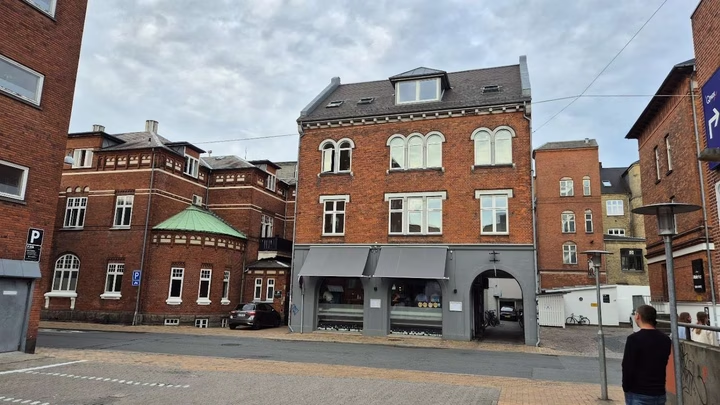
Kok & Vin
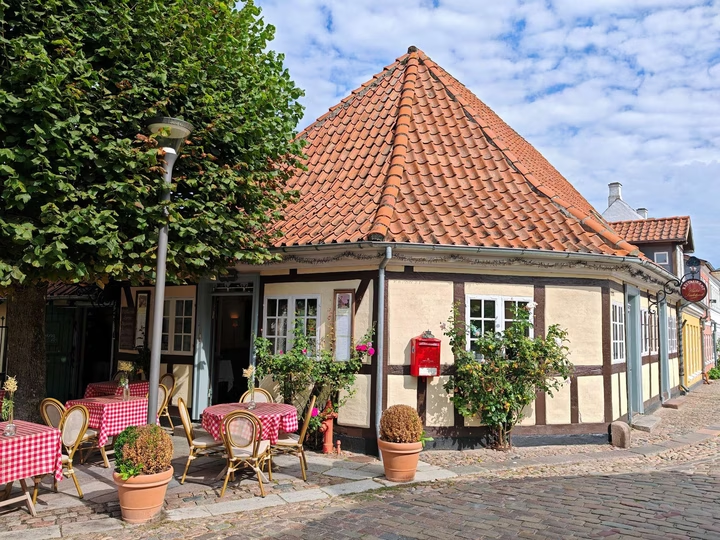
Kok & Vin in Odense: a cosy French bistro with seasonal dishes and great wine choices. Perfect for a relaxed evening—re…


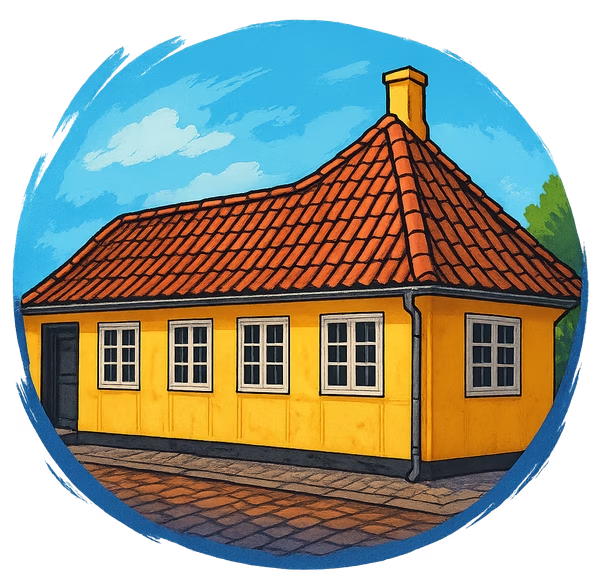
Odense is famous as the birthplace of Hans Christian Andersen, and it’s one of Denmark’s most walkable “big small cities,” with a charming old town, modern museums, parks, and a strong café/food scene.
Yes—especially if you like culture, design, and relaxed city vibes. It’s less crowded than Copenhagen, easy to explore on foot or by bike, and makes a great stop between Copenhagen and Jutland.
The easiest way is by train. From Copenhagen (or the airport), take a train toward Odense (often with one change at Copenhagen Central). Travel time is usually around 1.5–2 hours, depending on connections.
1 day is enough for the highlights (old town + a major museum). 2 days is ideal if you also want Odense ZOO, extra museums, or a slower pace with cafés and parks.
Common favorites include:
Late spring to early autumn is easiest for walking, biking, and outdoor cafés. December can be cozy for lights and winter atmosphere, but expect shorter days and chillier weather.
The center is very walkable. For longer distances, use city buses (FynBus), bikes, and taxis. Route planning is easiest with Rejseplanen.
Most travelers use Rejsekort (travel card) or mobile tickets (often via the relevant transport apps). For trains, the DSB app is commonly used; for local buses, look for FynBus ticket options. Cards are widely accepted—cash is rarely needed.
For first-timers, staying near Odense Station / city center is simplest for sights and transport. If you prefer quieter evenings, choose areas just outside the center with easy bus access.
Popular options include Egeskov Castle, coastal towns on Funen, and short train trips to other cities in Denmark. It’s also easy to combine Odense with stops toward Jutland or back to Copenhagen.